


 10.04.2025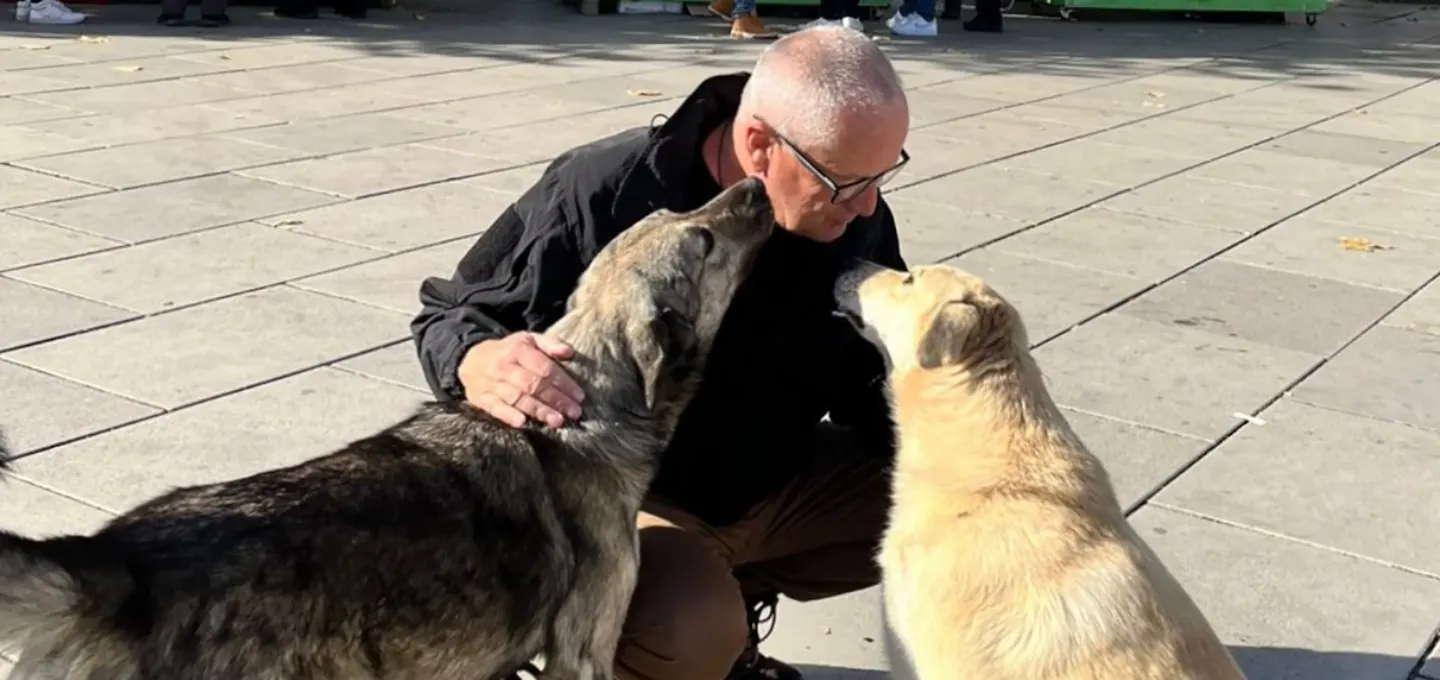
This year’s jury of the Ukrainian Animal Protection Award included several international experts, including Mark Randell, a former British detective and current animal crime investigator.
Mark served in the Sussex Police for more than 30 years, beginning as a patrol officer and later becoming a specialist in intelligence and covert operations. To collect evidence, Mark had to work closely with dangerous criminals and even to pretend to be one himself. Undercover, he investigated serious organized crimes such as murder, human trafficking, and illegal guns and drug trades. However, throughout his career, one category of crime remained largely unaddressed: crimes against animals. Upon retirement, Mark Randall began to investigate these crimes.
Mark founded Hidden-in-Sight, an organization that combats animal cruelty. Together with active police officers, media, and animal advocates, Mark continues his undercover operations. Does it make sense to dedicate time and resources to fighting crimes against animals when police officers have enough human problems? We talk about this and much more with Mark Randall.
“I can’t walk past an animal without talking to it”
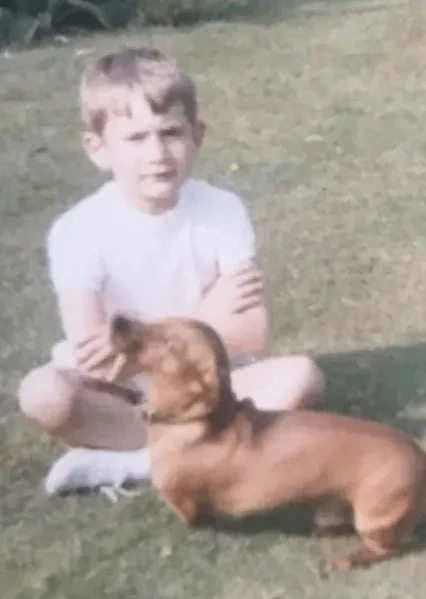
Mark and Joe
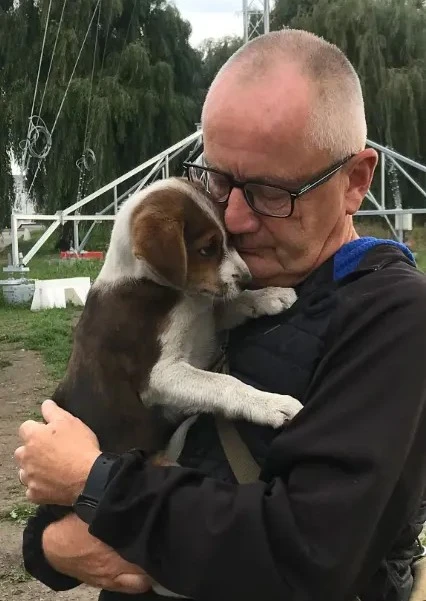
Mark and a dog

— Here’s a picture of Mark Rendall at the age of five. Who was that little friend of yours?
— This photo was probably taken by one of my two sisters. A little dog was a dachshund called Joe. I had him when I was five. He was one of my best friends, and we would get up to all sorts of mischief and bad behavior together. If anybody has a dachshund, you know that they are not always well-behaved. We were partners in crime. I once thought he would look better with stripes. So, he let me paint stripes on him with flour. We dug holes in my mom’s garden. We did everything together.
— Do you have any animals now?
— We have children, and I tend to look after their animals now. There are two rescued dogs here: Bonnie is from Bosnia, and Tatiana is from Romania. Bonnie is a dog that works things out, she is very intelligent. Tatiana is a bit crazy. Bonnie would be asleep on the bed because she is a princess, and the other one will be in the garden. They are so different. My daughter rescued them.
— Do you feel a special connection with animals?
— Absolutely. I like being around animals. I feel comfortable. I have conversations with them. Hopefully it’s mutual that we get on with each other.
If I walk down the road and there’s a cat, I have to talk to the cat. I can’t ignore it. If there’s a dog or a horse, I have to spend some time with it. I can’t walk past an animal without talking to it.
— What led you to work in animal crime investigations?
— When I ended policing, I wanted to work in this field because I loved animals, and I wanted to help them.
Being a police officer should be about keeping vulnerable people safe and about protecting communities. When I started looking at those who were cruel to animals, I understood they were the same people who were involved in public crime that I’ve investigated as a police officer. They were sharing the same pathway, the same motivation. I didn’t understand why we [the police] treated crime against animals differently from crime against humans because there were the same criminals.
It wasn’t that big a transition: I moved from being a police officer to explaining to other officers why animals are part of the community. So, when you are looking after a community, or a family, or a relationship, you need to look after everybody, and that includes animals.
— In one of your previous interviews, you said that, as a police officer, you missed a lot by neglecting crimes against animals. What did you mean by that?
— In 2007, I was investigating gunrunning and drug trafficking from the north to the south of England. The criminals who were bringing guns and cocaine were also involved in dogfighting. It was not part of that criminal business, probably they did it as a hobby. It’s much easier to do undercover work for dog fighting than to catch criminals with drugs. But we didn’t even look at the animal case. So, we never prosecuted them. We missed that opportunity.
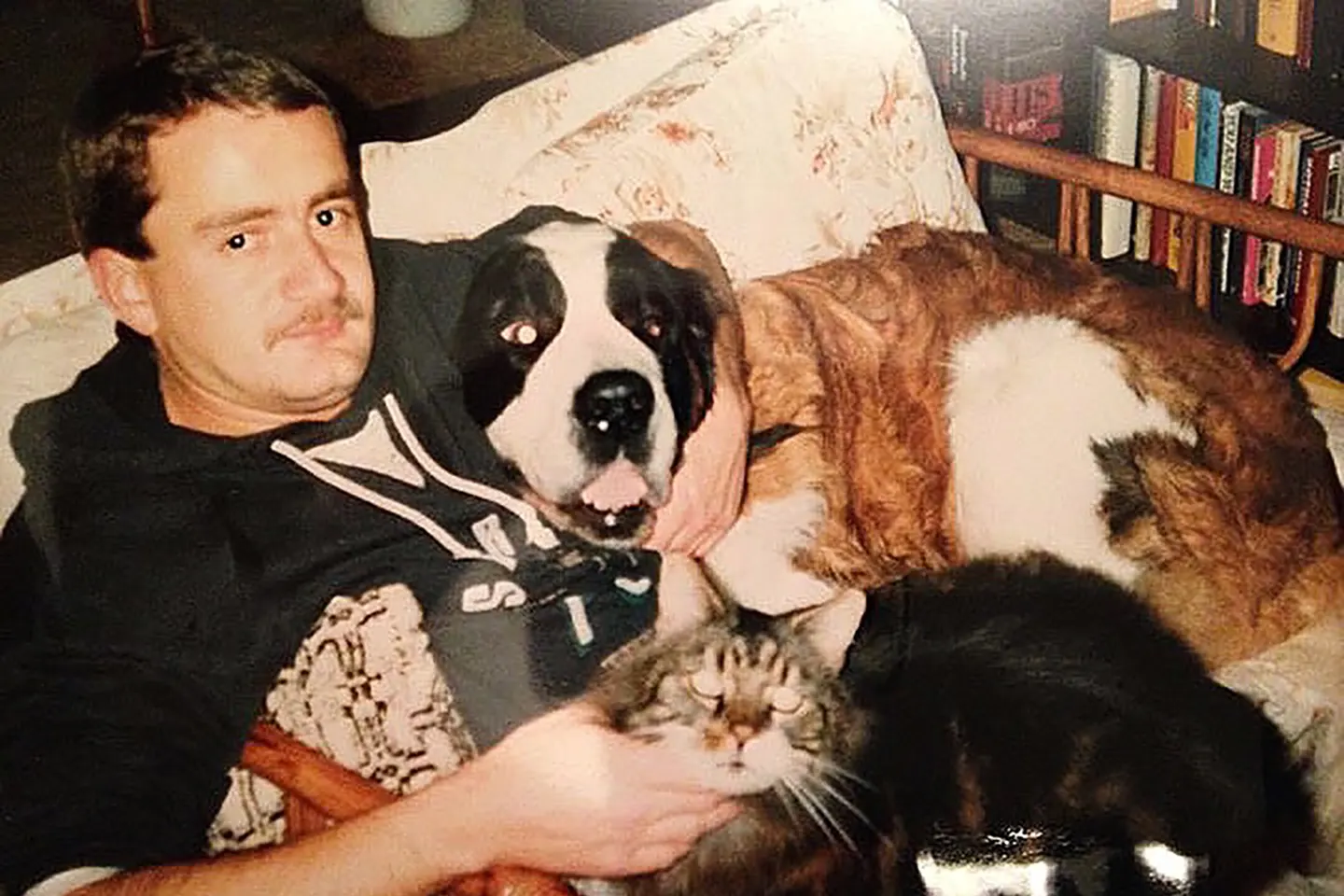
Mark with pets
How are animal and human abuse connected?
— I know you believe that those who hurt animals would be able to hurt people too. Could you explain why?
— Criminals are generally lazy people, and they will find the easiest way to commit a crime. They don’t want to take too many risks. Abusers, who abuse people, will generally target the weakest within the group. They would possibly target a woman or a child in a household, but they would also target an animal.
By harming an animal, they show people power and control. It can be a threat — they show people in the house what they can do to them.
For example, an abuser could kill an animal, and that shows how violent he/she could be if people don’t do what they are told. It happens if somebody wants to sexually abuse a child, or a woman in a household.
Also, an animal could be a leverage. By abusing an animal, they say, “If you don’t let me do this, I will hurt your animal.” Abusers understand the relationship that we have with our pets, and they know how to have a major psychological impact on the caregiver. It could happen with a child, sometimes with an old person. You know, elderly people might only have their pets as company.
Or it may happen as a part of traditional domestic abuse between husband and wife. It occurs on a regular basis in every country, as much as in Ukraine, in the UK as well.
There’s a transition from those who hurt animals to those who hurt people. It doesn’t necessarily mean that they hurt animals first, and then they hurt people. They could hurt people and then animals. Or they could do it at the same time. If you understand how criminals and abusers work, you can prevent them from committing a crime in the first place.
When you investigate a homicide, you can look at those who hurt animals in the past. Or if you have an animal crime reported to you, you need to take it seriously. If you know someone was hurting animals, particularly when he/she was young, that should indicate to you that there is an increased risk they are going to hurt people. You need to look at what danger that person poses to your community, and you can actually stop them from committing a crime in the future by recognizing that.
It’s far better to prevent the murder rather than investigate it. It costs more money, more time, and more resources to investigate a homicide than to prevent it.
— Last year, a court handled a case where a teenager cruelly killed a bird in front of his friends. The ruling required his mother to supervise him. In your view, was that a sufficient response? When we identify someone displaying animal abuse behavior, what steps can we take?
— Sending somebody to prison is only one aspect of criminal justice.
An important part for me is that specialists could monitor a person identified as a danger to society.
It may well be that there was a lack of education, etc. But if a person hurts many animals or does it in such a way that suggests that they can pose a danger to people around them, he/she could be monitored. There should be a system in place, people with the right expertise, and psychologists who can watch them in society. That can predict crimes happening. It’s all about understanding criminal psychology and understanding what happens next.

Support the work of UAnimals’ legal team
The UAnimals’ legal team provides free consultations to those who need help in cases of cruelty to animals.
Support their work so that more lives can be saved!
Working undercover
— Tell us about your undercover work. How does everything go?
— There are different ways you can do that. With an organized crime group that I was involved in, you create a story around who you are, what your name is, and what your background is.
You need to identify what that crime group needs. They want to sell you criminal products (guns or drugs, for example), so I would be a person they want to engage with. I would communicate with them to identify with drugs, guns, or dogs in dog fighting. They would tell me information, so I could go to prosecution or even to the media. I could do it myself, or I could work with a criminal who is motivated to talk about their criminal group.
Some criminals like to tell everybody what they are doing, because that’s their motivation — to show who they are. And dog fighting is a good example. People like to talk about their abilities as dog fighters. So it’s not that difficult to infiltrate dogfighting.
— You investigated dog fighting with the BBC in 2019, which became a big story. How did you get to the dogfighters?
— On that occasion, I created a new identity. It’s not just about wearing glasses. It’s about being someone completely different whom they would want to talk to. I was an American from one of the seven states of America, where there’s a lot of dog fighting. I created lots of online identities. Then I would pretend that I want to buy a dog. I already have some good knowledge, and I want to buy their dogs. Then I need to talk about how important they are, talk about their work, and play to their ego. They are generally happy to tell you all about this, because they want to brag, and you use that.
— Did you have to watch a real dog fight?
— No. When you work undercover, you have to try putting a delay in things because you can’t commit criminal acts yourself. You have to go quite close to a crime without committing one. When you are just about to commit a criminal act, you need to find a way for it not to happen. It’s difficult, but you should build a delay: Something happened in your family, or you have suddenly got caught, or you’ve been arrested. You have to say, “Sorry, I would have done it, but that and that has happened…”
But I’ve got them to send me live because, within the UK law, if I watch videos of dog fighting, that is not a criminal offence. On that occasion, I was allowed to watch it online. I got the information and the evidence I needed.
— Did you have to learn a lot about dog fighting?
— The investigation took me 2.5 years. I spent a lot of time reading about stuff. Also, from a criminal perspective, not from an investigative perspective. Police officers don’t always see things the same way as criminals. They need to understand how criminals talk. All criminals have shared behaviors, and you have to know about them.
— How did your family respond to your dangerous job?
— When you are working undercover, don’t let anybody know about your private life. If someone says, “What did you do over the weekend?” You might say, “Oh, I went shopping with my boyfriend, husband, my wife, and my children. You know, we went to the cinema…” You try to have a conversation without giving away any private information.
I value that my family accepted what I’ve done. My youngest son is a police officer now.
— Were you ever afraid?
— I did a lot of work on drug operations. I can think of one example, when I worked undercover. I was wearing a pair of jeans, and I had long hair at the time. There was a car, and I knew the passenger got a lot of drugs with him. As I walked past the car, I needed to seize the drugs. So I literally jumped into the car and grabbed the drugs. Because I’ve done it really quickly, there was no time to be afraid. Then I ran with the drugs, and we worked on the case.
When I was in a situation that was particularly difficult, I probably would be calm because that gives you time to think. I think it’s important to slow down and think things through.
I’ve been doing undercover work in quite dangerous prisons. I had to pretend to be a prisoner. It was a bit frightening.
There was no animal investigation I’ve been scared of. I think if you treat animals with respect and you understand what they do, you shouldn’t get into a dangerous situation. People are slightly less predictable.
— Did you carry a gun during investigations?
— No, I didn’t, as a police officer either. In the UK, police officers don’t carry guns.
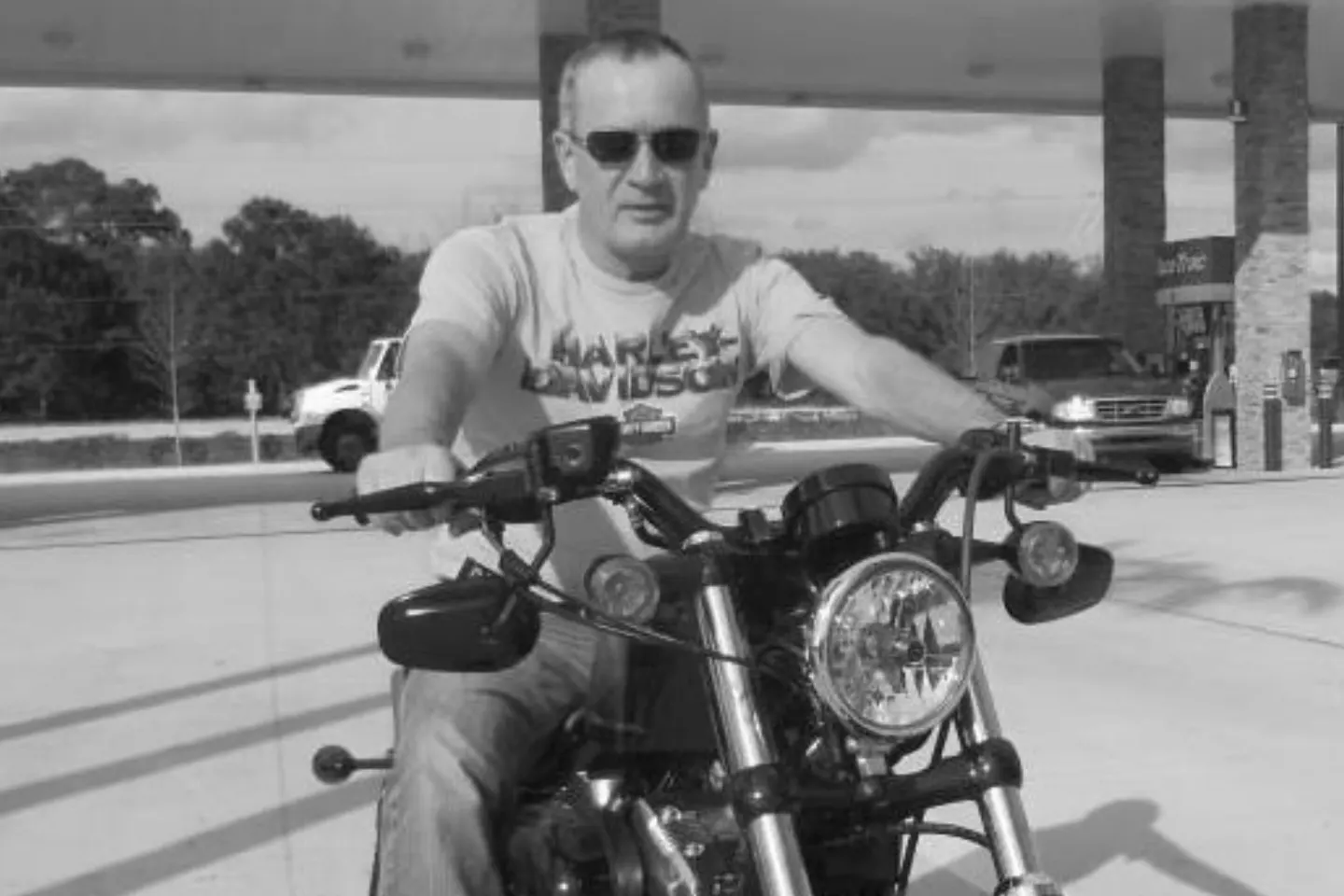
Mark Randell undercover
— Except for the dog fighting case, what other situations have you investigated for the media?
— My colleagues and I made a film about pheasant hunting. Although these birds do not naturally live in Britain, hunting them here is considered something of a traditional sport. Pheasants are specially bred on farms in other European countries. Their lives, at least at the time the film was made, began in horrific conditions. Then they were transported by ferry across the English Channel and released into British hunting estates, where they were easily shot by hunters, not for food but for entertainment. Around 35 million pheasants were killed in a single hunting season.
I worked for the League Against Cruel Sports. Together with my colleagues, we wanted to show people what was really happening, and that’s why in 2015 we made a documentary about the lives of these pheasants. It became part of an ongoing campaign against bird hunting.
That same year, due to public opinion, the ferry companies that transported the pheasants stopped doing so. Most likely, they agreed because going against public opinion would have been financially unwise.
In Hidden-in-Sight, we investigated how monkeys are kept as pets. We did this in collaboration with animal protection organizations Born Free Foundation and Four Paws. Animal welfare groups used our photos and information in their reports, and these images made it into the media and were even shown in the British Parliament.
As a result, last March, the country banned keeping monkeys as pets. However, all the planned measures (such as licensing owners) will only come into force in 2026.
Often, rather than going to court to get a good picture or good story, the media is just as powerful.
“To keep your society safe, look at animal crime”
— Do you have any data on how many cases there are annually in the UK regarding animal crime?
— This is very difficult to answer because the reports of cruelty are very different from prosecutions, and data is not very reliable. In 2021, there were 400 prosecutions. In the first 6 months of 2024, there were 44,800 reports, but they may not all be crimes.
— Was anyone put in prison?
— Yes, the first 5-year sentence was given to dog fighters last year. There have been quite a few criminals who will go to jail for animal cruelty.
— How would you describe the global state of animal crime prosecution from your perspective?
— Most countries have similar situations. We have charities that fight crimes against animals in the UK, but getting the police officers interested is difficult. I don’t think any country is doing it really well.
Different prosecutors, politicians, and police are starting to understand that taking animal crime seriously is really important. Since 2016, the FBI has recognized animal abuse as one of the offences which has to be reported to the national database. Some countries are starting to recognize it. France is training police officers. I am training in Greece. I was training in Kosovo for Christmas.
Gradually, there are more and more police officers who understand that animal cruelty is rarely an offence which happens in isolation. It’s quite often a part of all types of crime. Criminals cross over all these boundaries. I think police officers understand more: They have to deal with all crimes properly. If you are a police officer who wants to keep your society safe, you absolutely need to look at animal crime.
Content


