
Our superpower against homelessness
Thanks to sterilization, significantly fewer animals will have to live on the streets, suffering from hunger, cold, and disease.
Free sterilization program from UAnimals
The program of free sterilization and treatment of animals is one of our priorities. We perform surgeries mainly during veterinary missions in frontline towns and villages, where access to veterinary care is extremely limited. During vet missions, our veterinarians also perform examinations, provide treatment, vaccinations, microchipping, and more complex procedures (amputations as prescribed by veterinarians, wound suturing, plaster cast application, debris removal, etc.), and advise animal caregivers on health issues.
In addition to veterinary missions, UAnimals also implements a sterilization program in partner clinics in the frontline regions of Kharkiv, Sumy, Donetsk, Kherson, Mykolaiv, Odesa, Dnipropetrovsk, and Zaporizhzhia.
As part of the program, we have already sterilized and vaccinated more than 54,000 animals since the start of the full-scale invasion. A total of 32 veterinary missions have been carried out in frontline regions.
Donate to a specific veterinary procedure for a homeless animal
"You can support the UAnimals sterilization program with any amount convenient for you or make a fixed donation to cover a specific procedure. Homeless animals will be grateful for your support! "
Spay/neuter a stray dog or cat
Sterilizing one animal prevents the birth of thousands of stray animals
21 usd
Pay for a chip for one homeless animal
This chip allows recording all information about the animal and its health in a unified database
2 usd
Pay for a chip and its installation
The animal receives an injection in the neck area, establishing a microchip that stays there for its entire life
3.7 usd
Pay for rabies vaccination for one animal
Rabies vaccination is a humane method of preventing the spread of the deadly disease
3.5 usd
Where the UAnimals program of free sterilization and vaccination operates
Choose a city in which the UAnimals program is already operating:
* Sterilization and vaccination against rabies is carried out only by appointment with the curator.
Please note that the capacity is limited, so curators may inform you about the queue or ask you to sign up later.
Have been sterilized and vaccinated under a free program since the beginning of full-scale
> 54 578
animals
Applications for free spaying and neutering through our veterinary outreach programs are now being accepted. You can submit an application via the chatbot @help_uanimals_bot.
Please note: we only consider requests if you are willing to serve as a veterinary mission coordinator and collaborate with the UAnimals team and the local community.
During veterinary missions, veterinarians conduct examinations, treatments, vaccinations, and spay/neuter procedures for pets and stray animals in communities where access to veterinary services is limited or unavailable. Currently, we can organize veterinary missions in the Donetsk, Dnipropetrovsk, Kherson, Zaporizhzhia, Kharkiv, Sumy, and Mykolaiv regions.
Important:
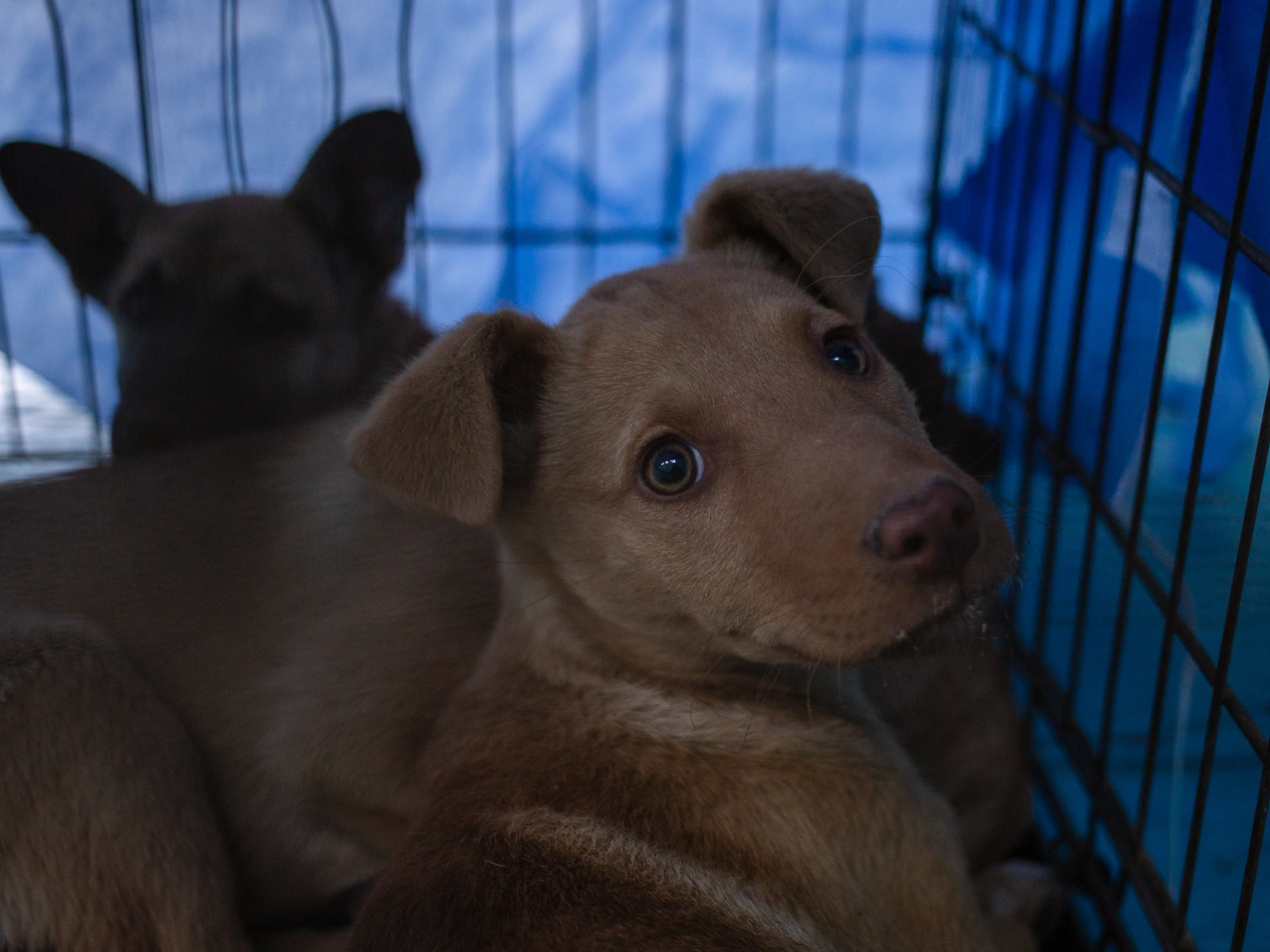
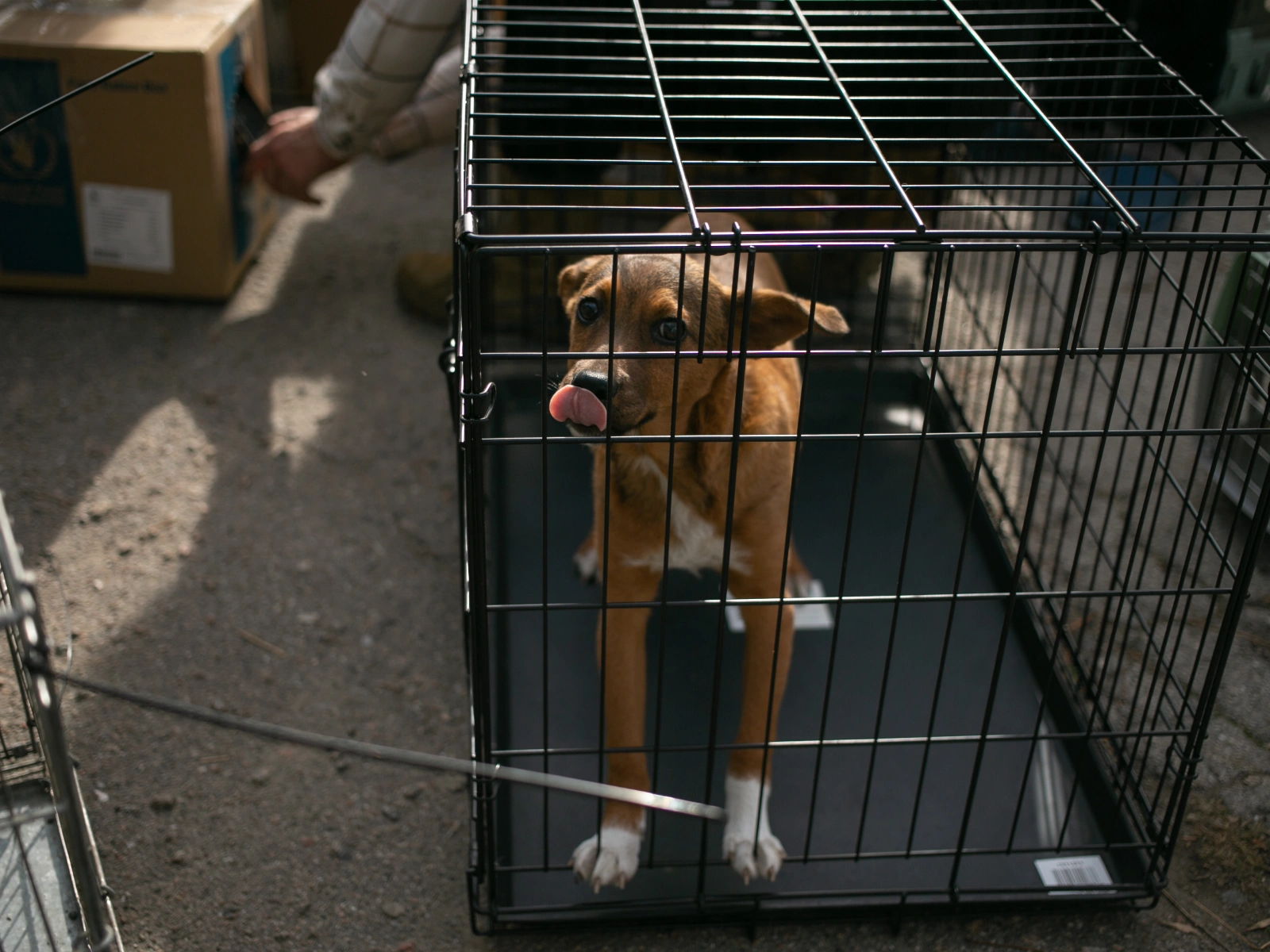
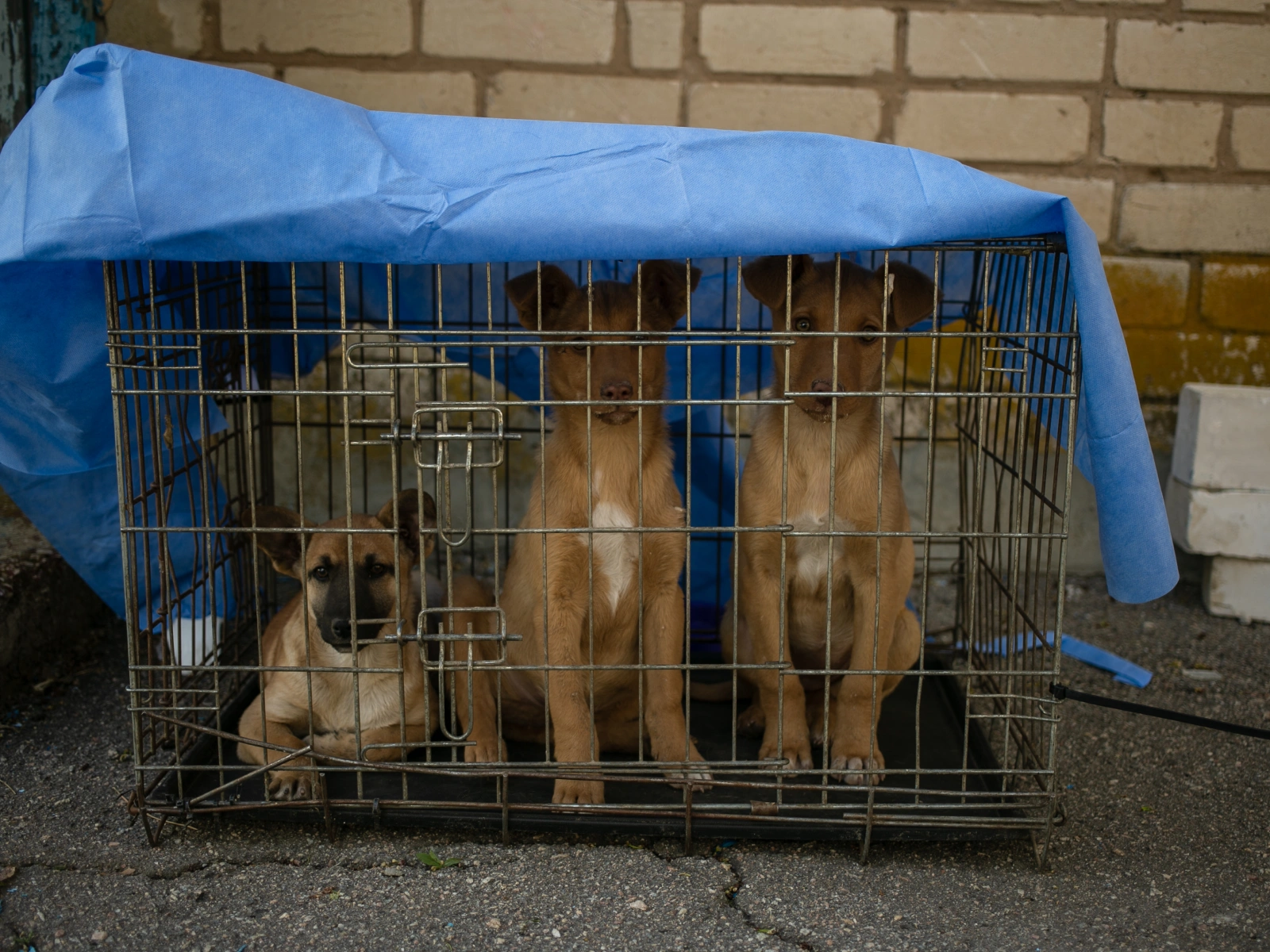
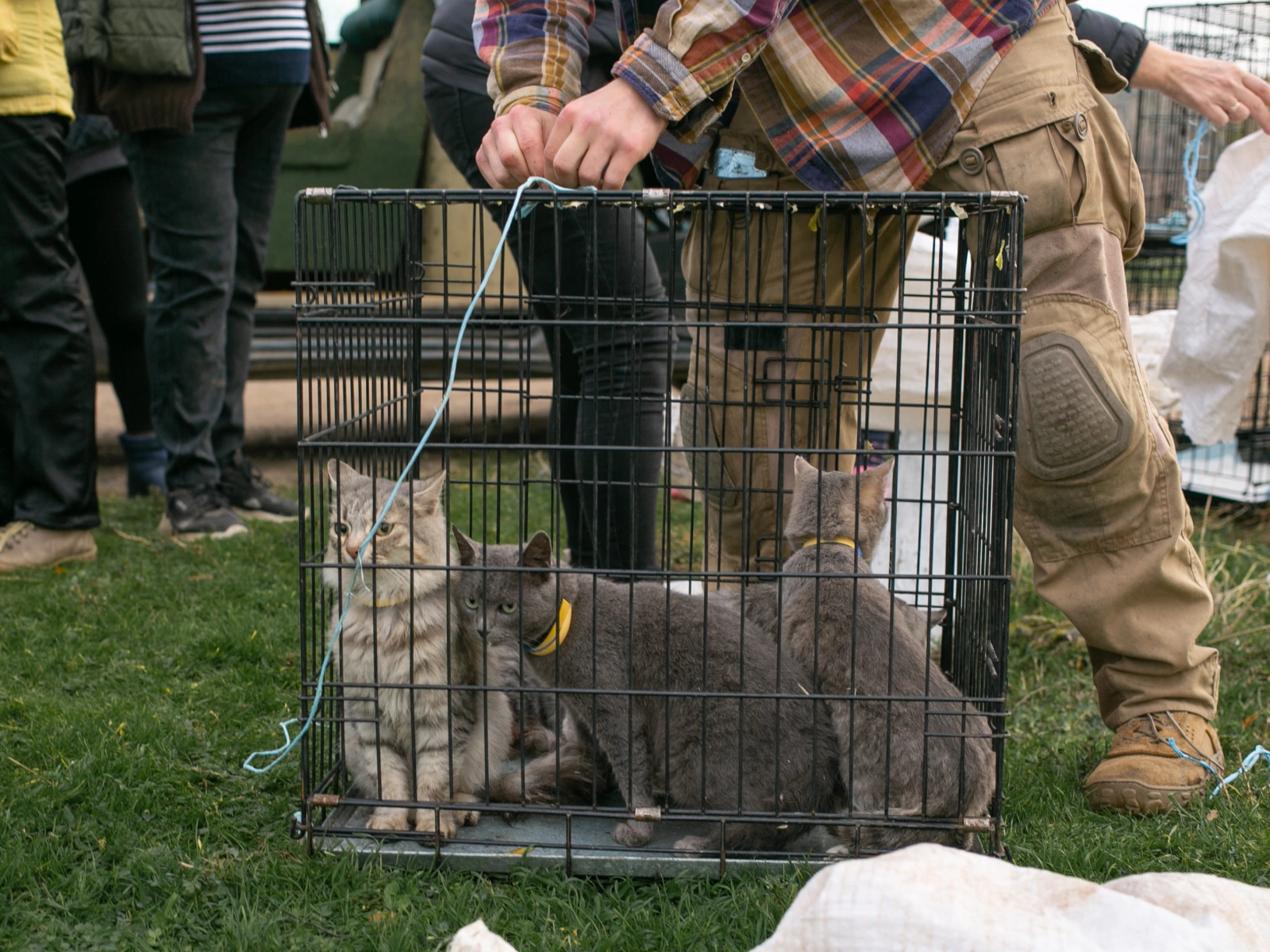
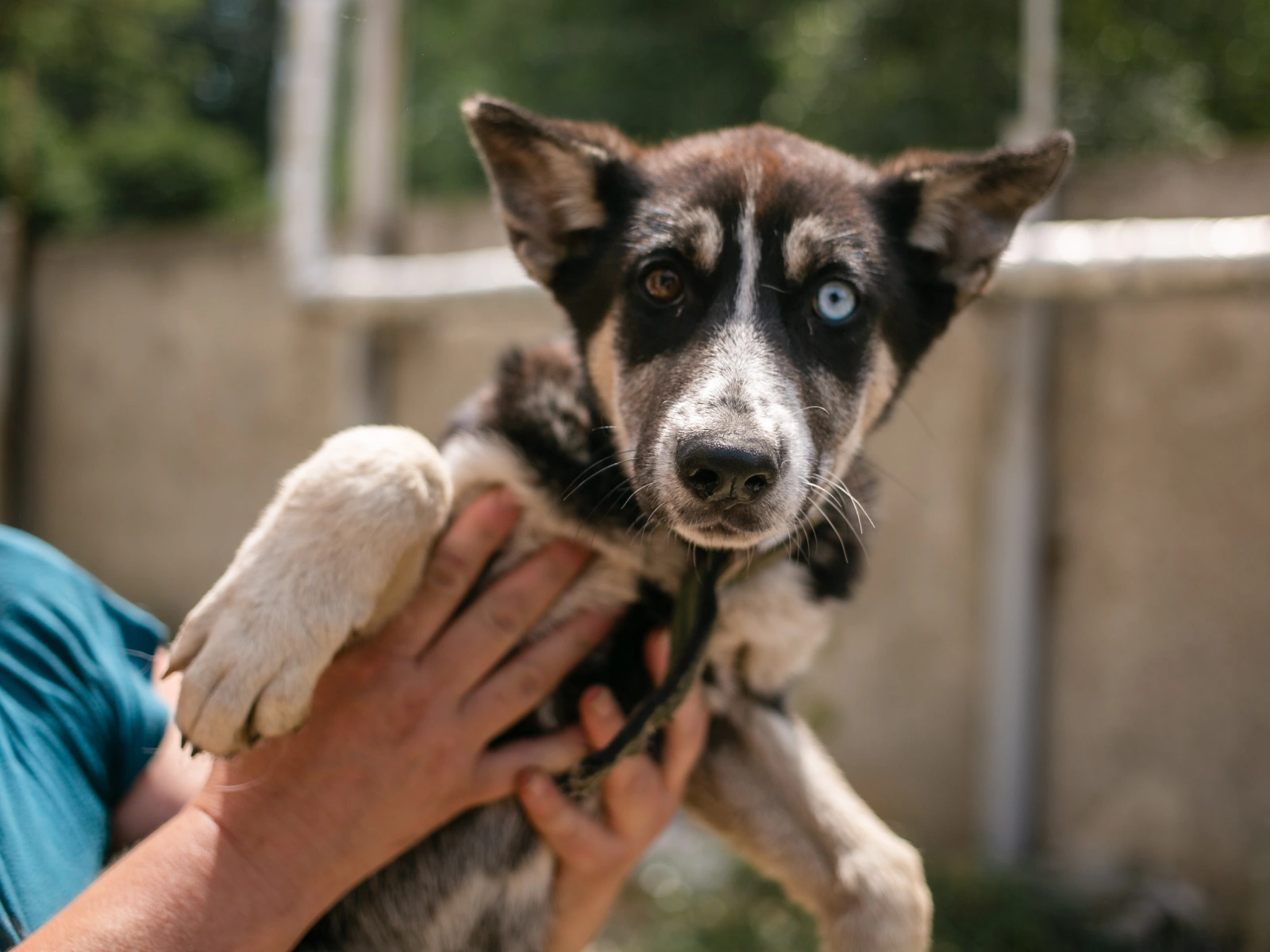
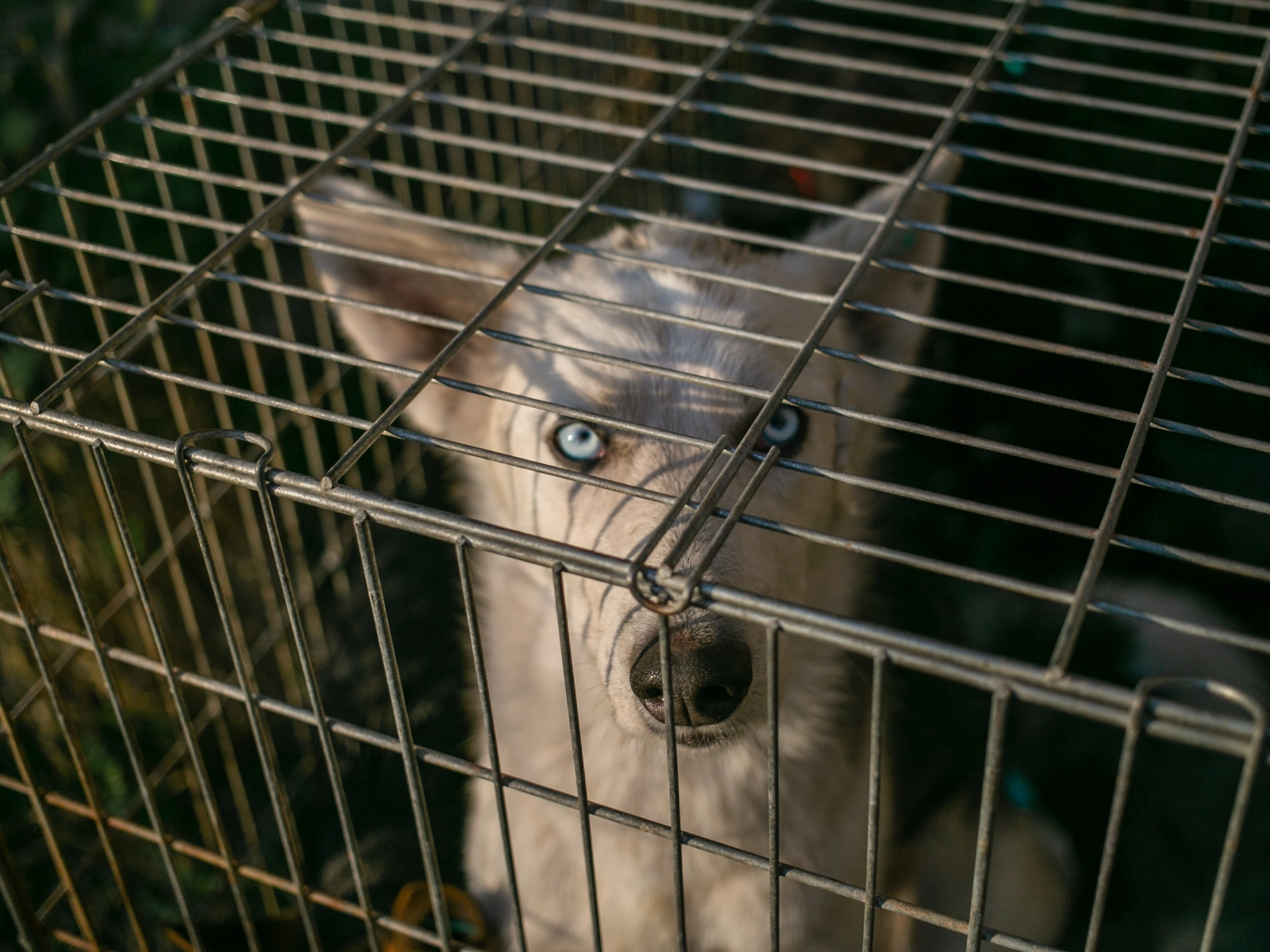
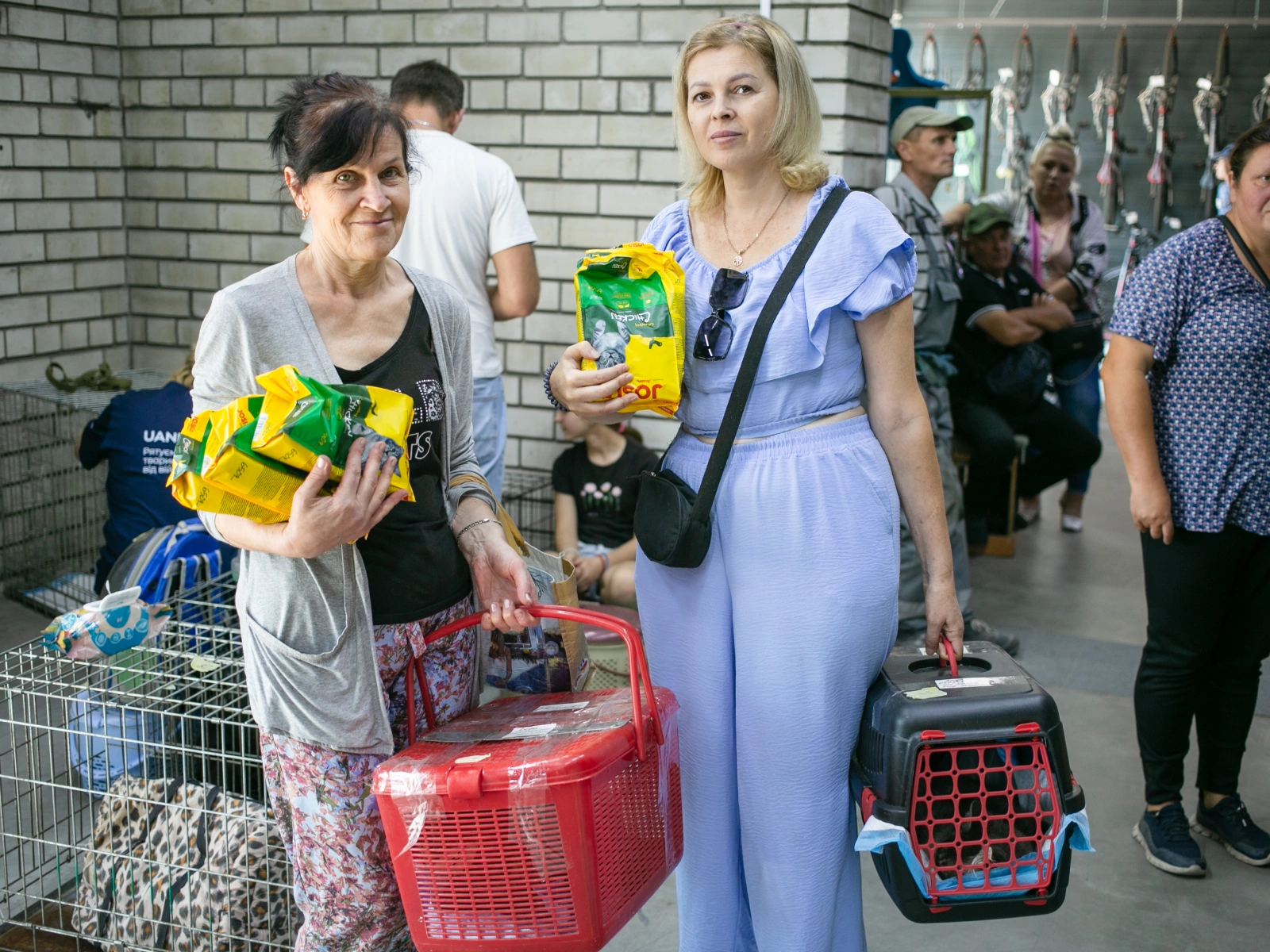
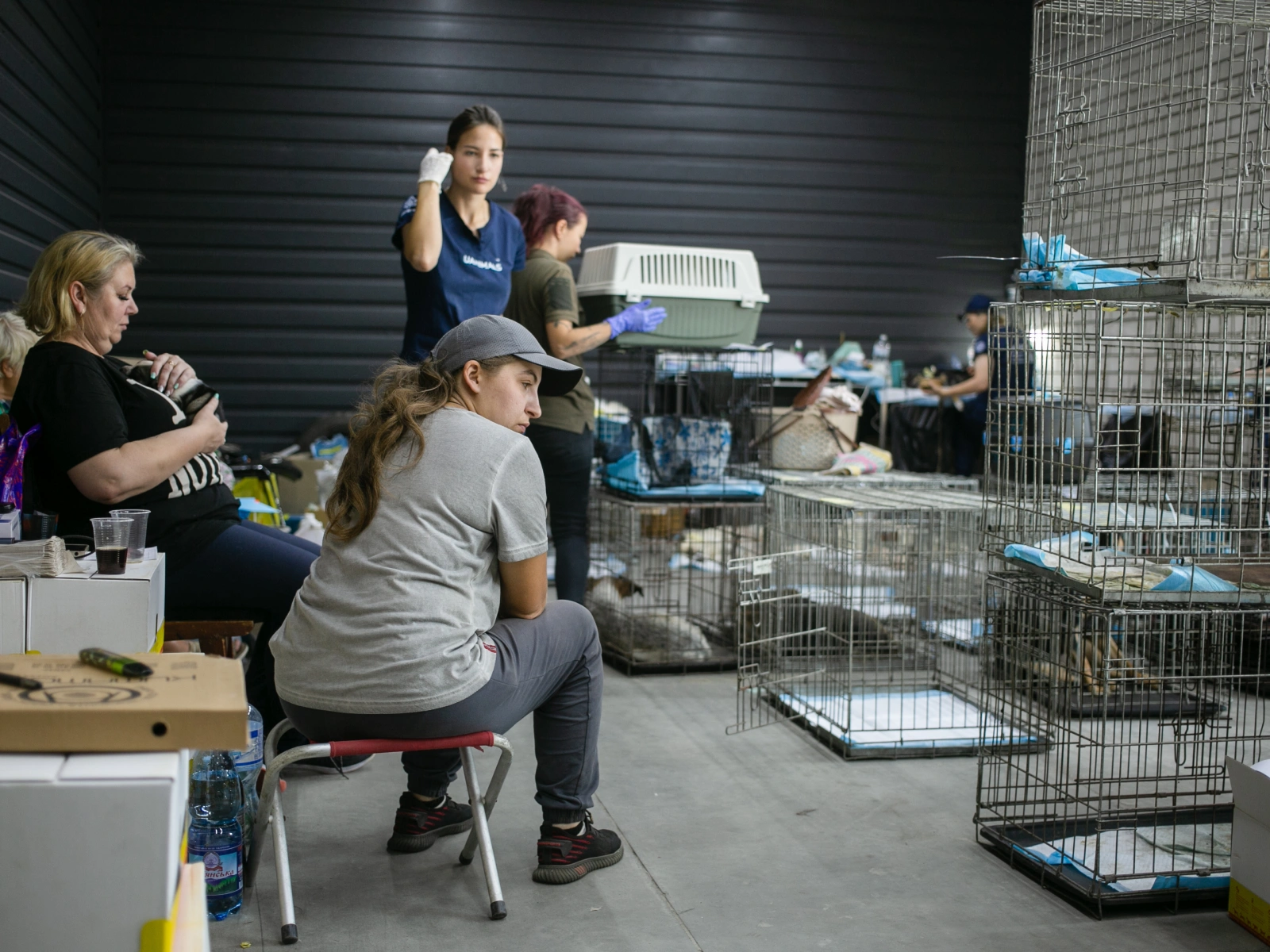
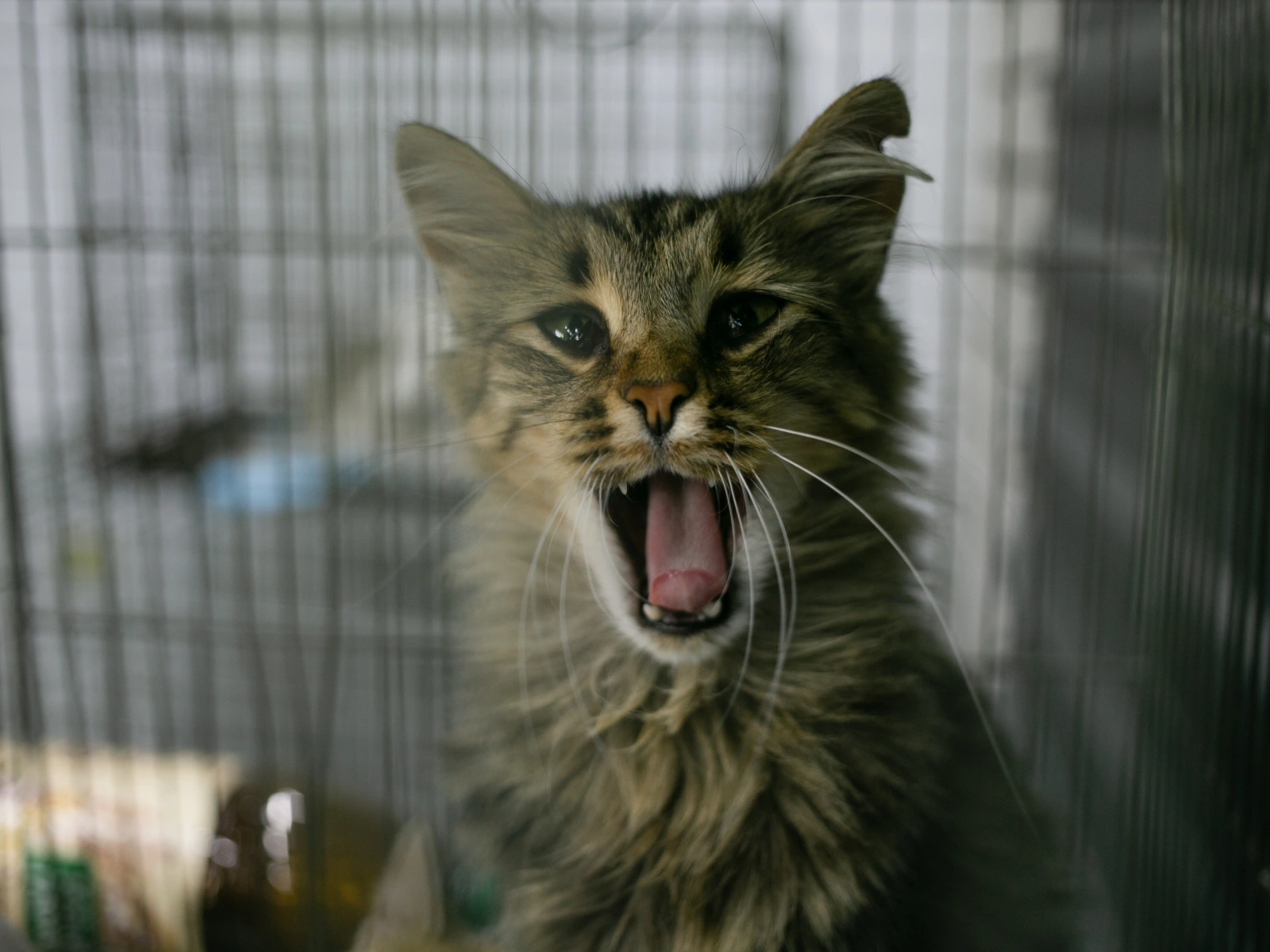
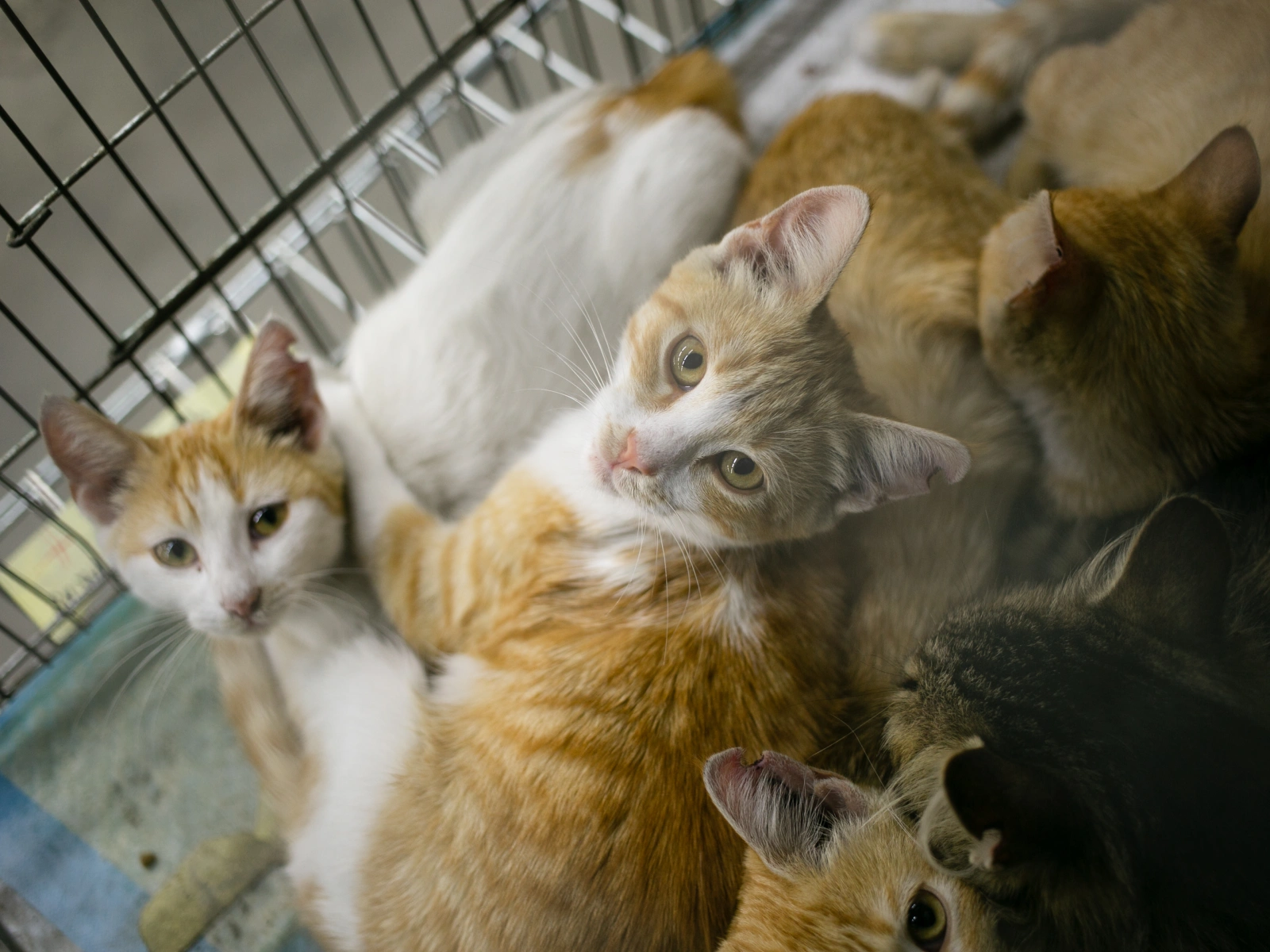
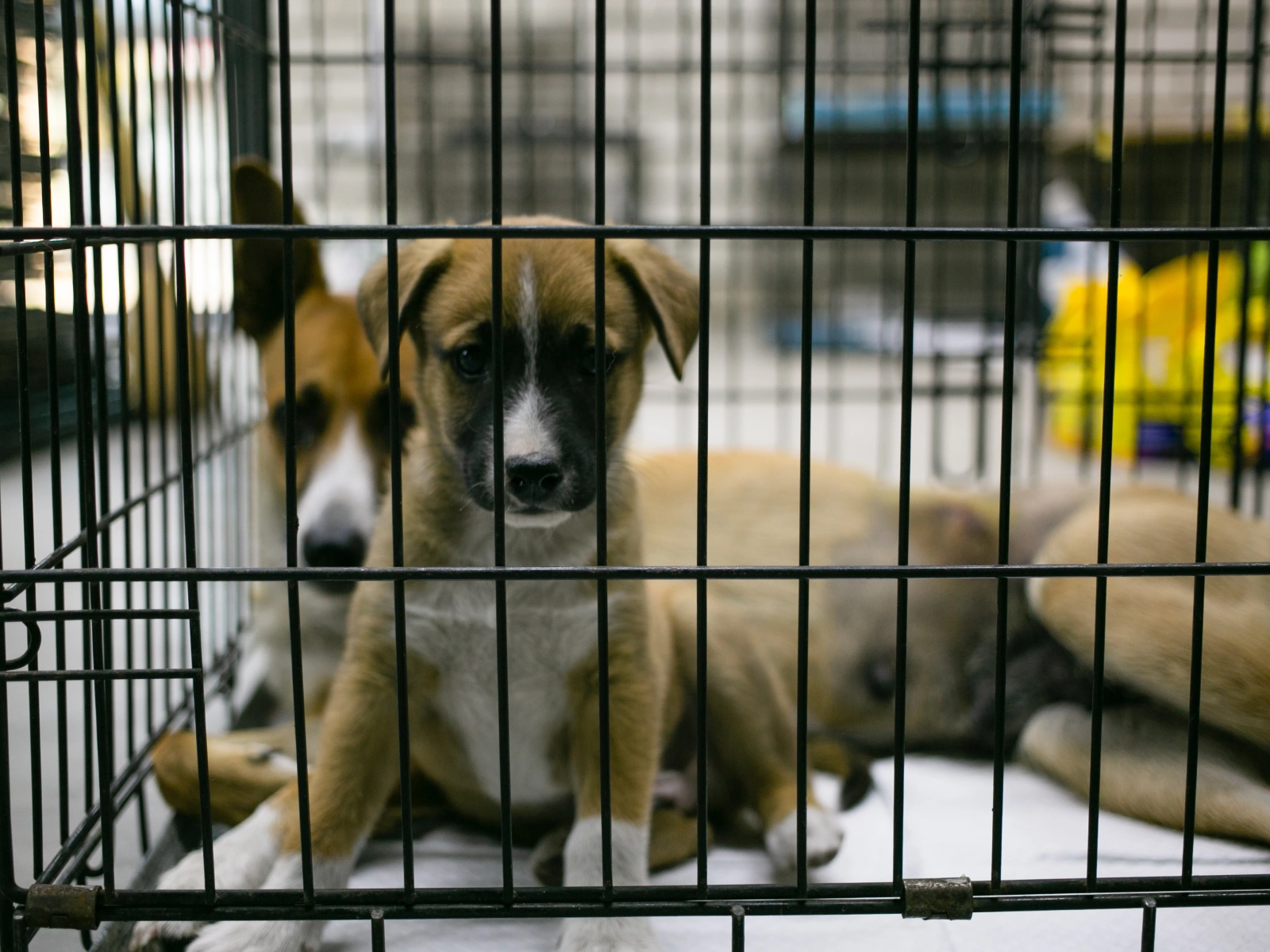
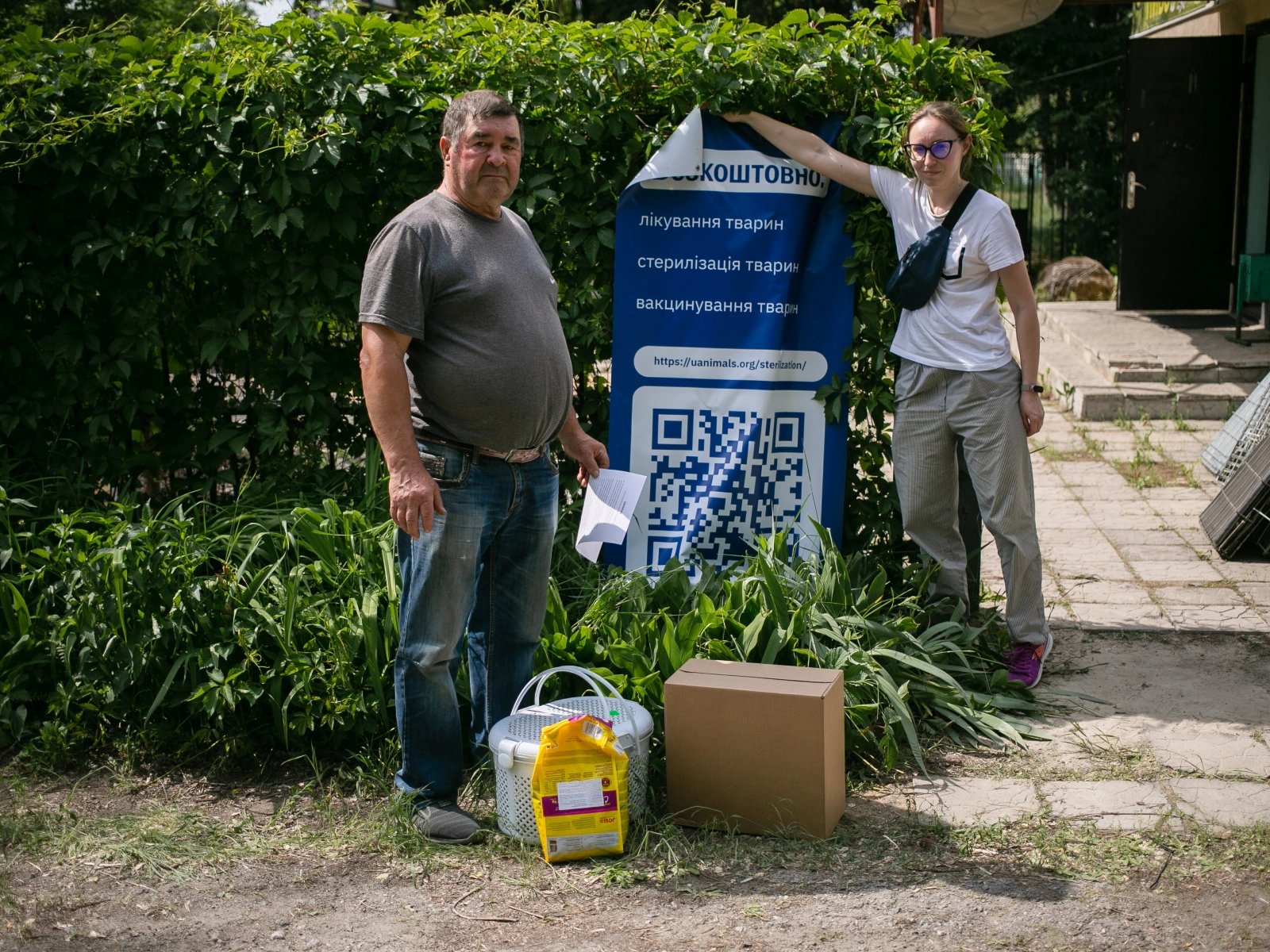
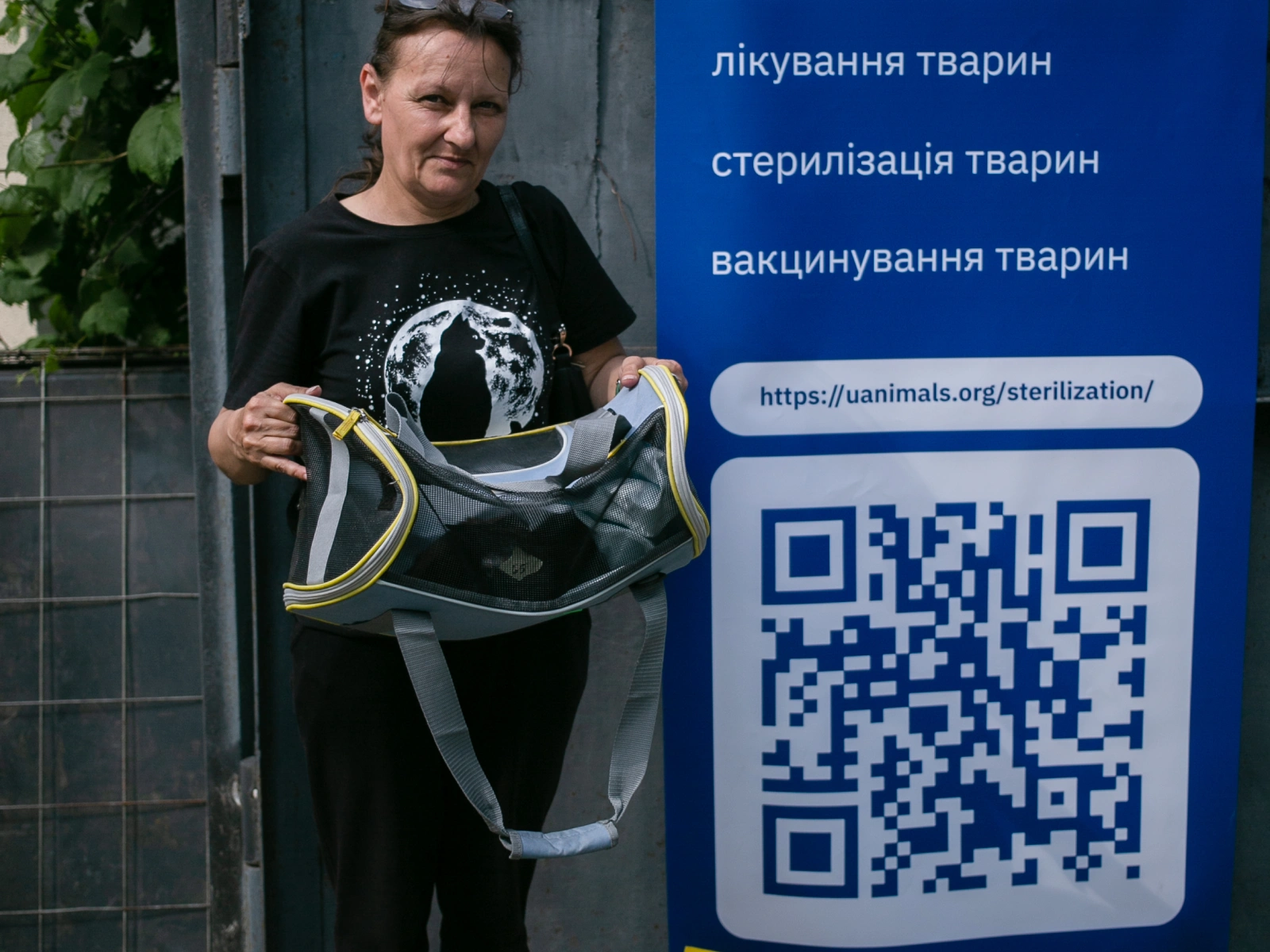
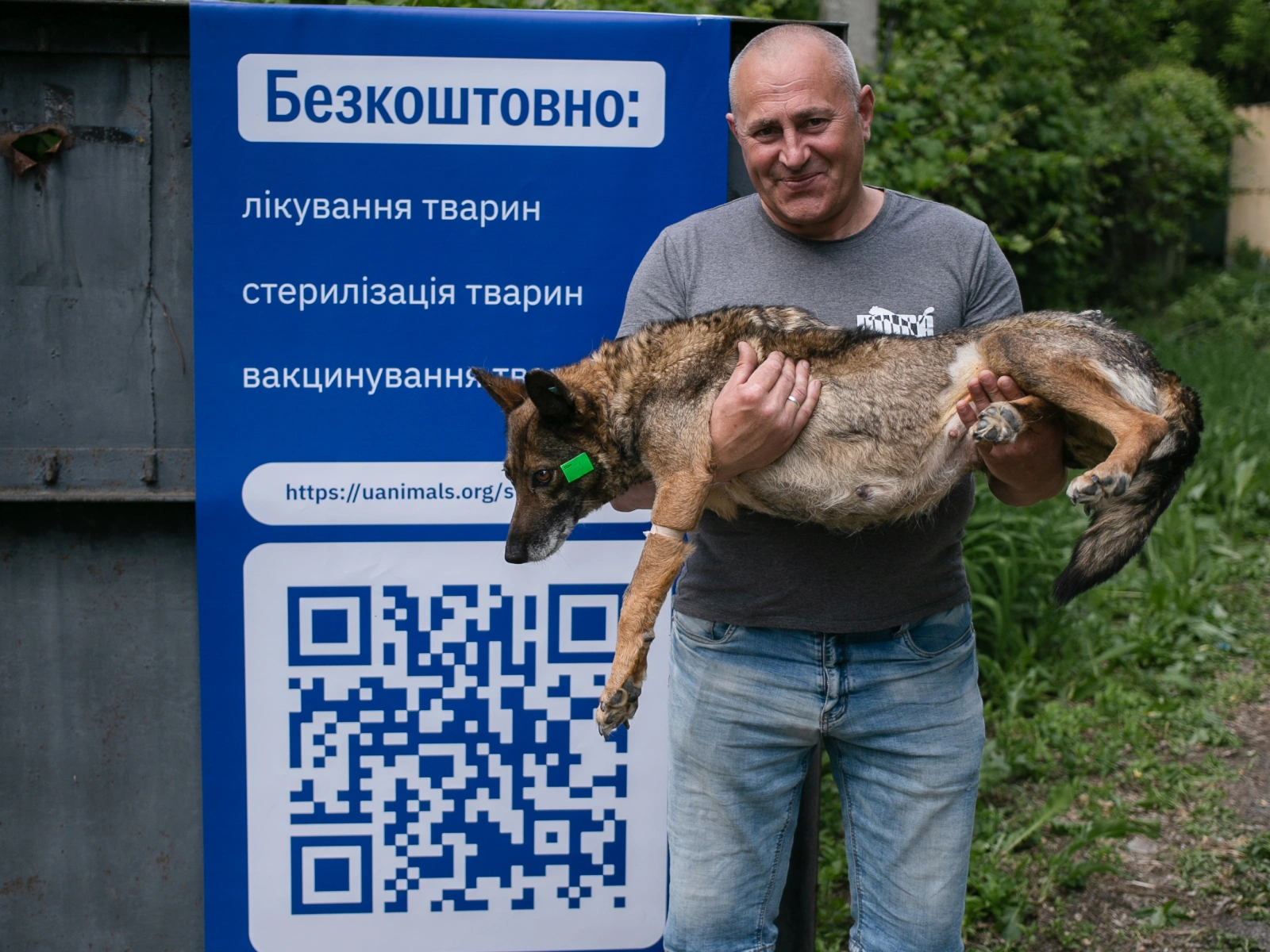
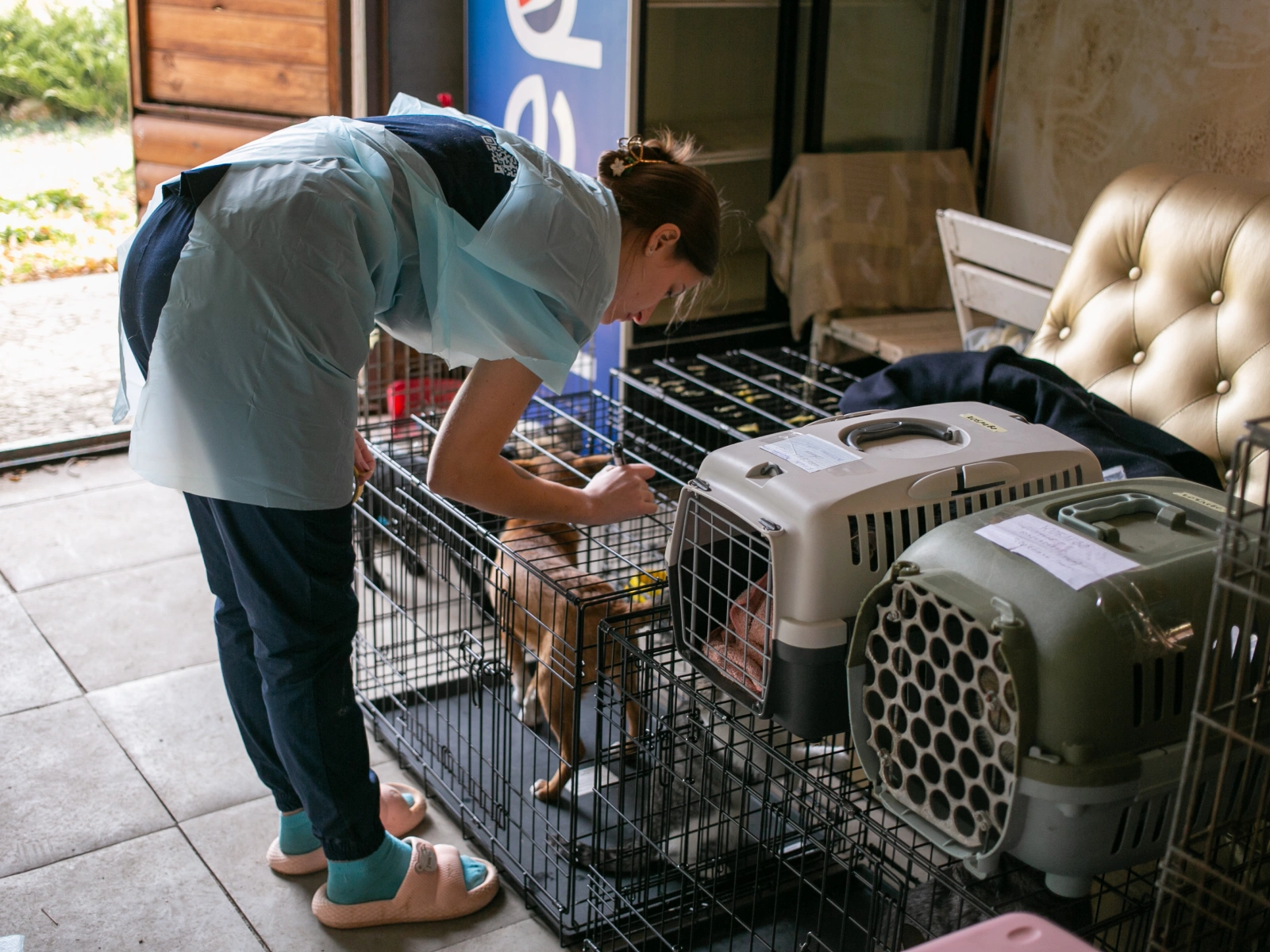
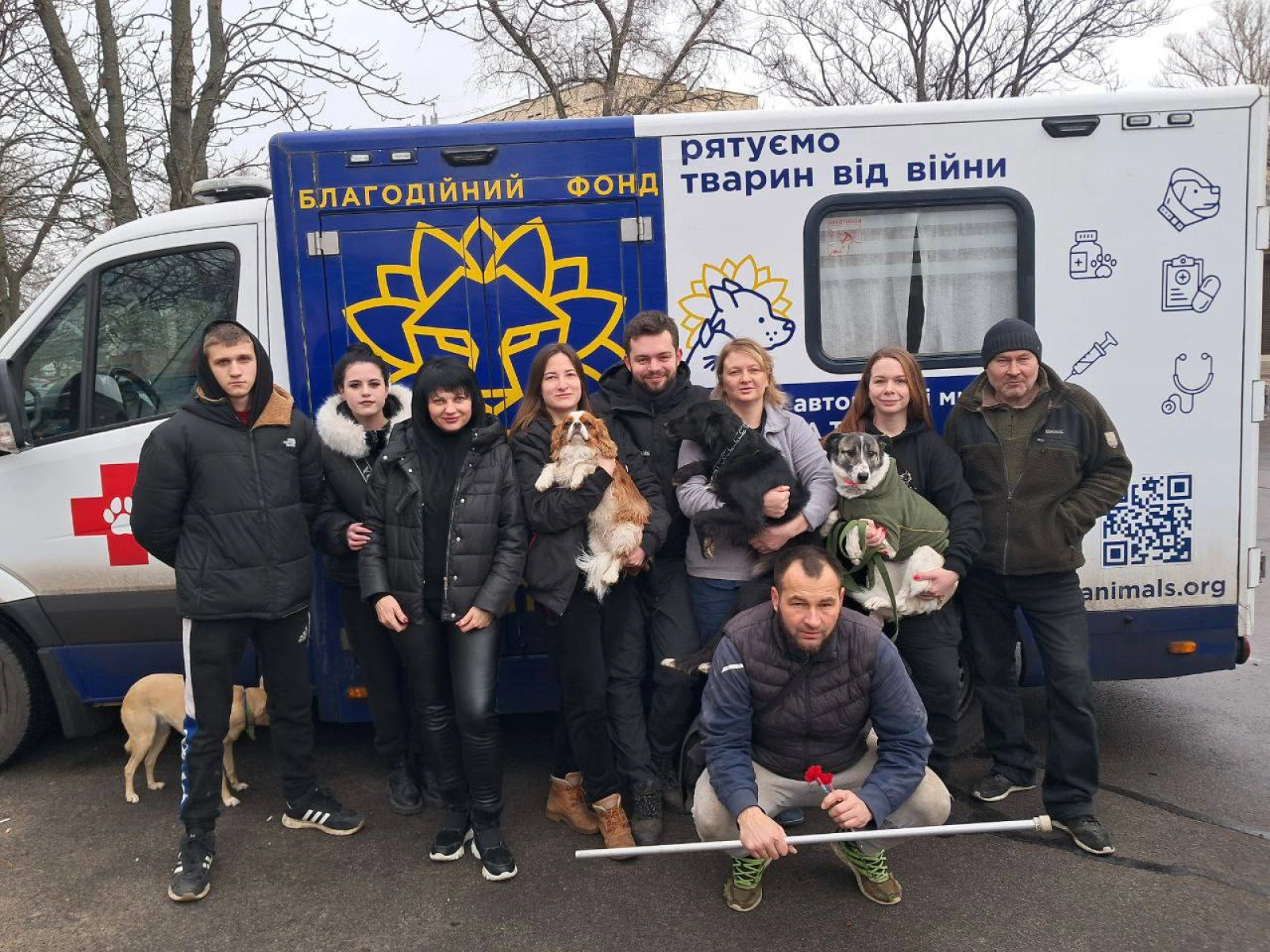
Photo report
Why sterilization is so important
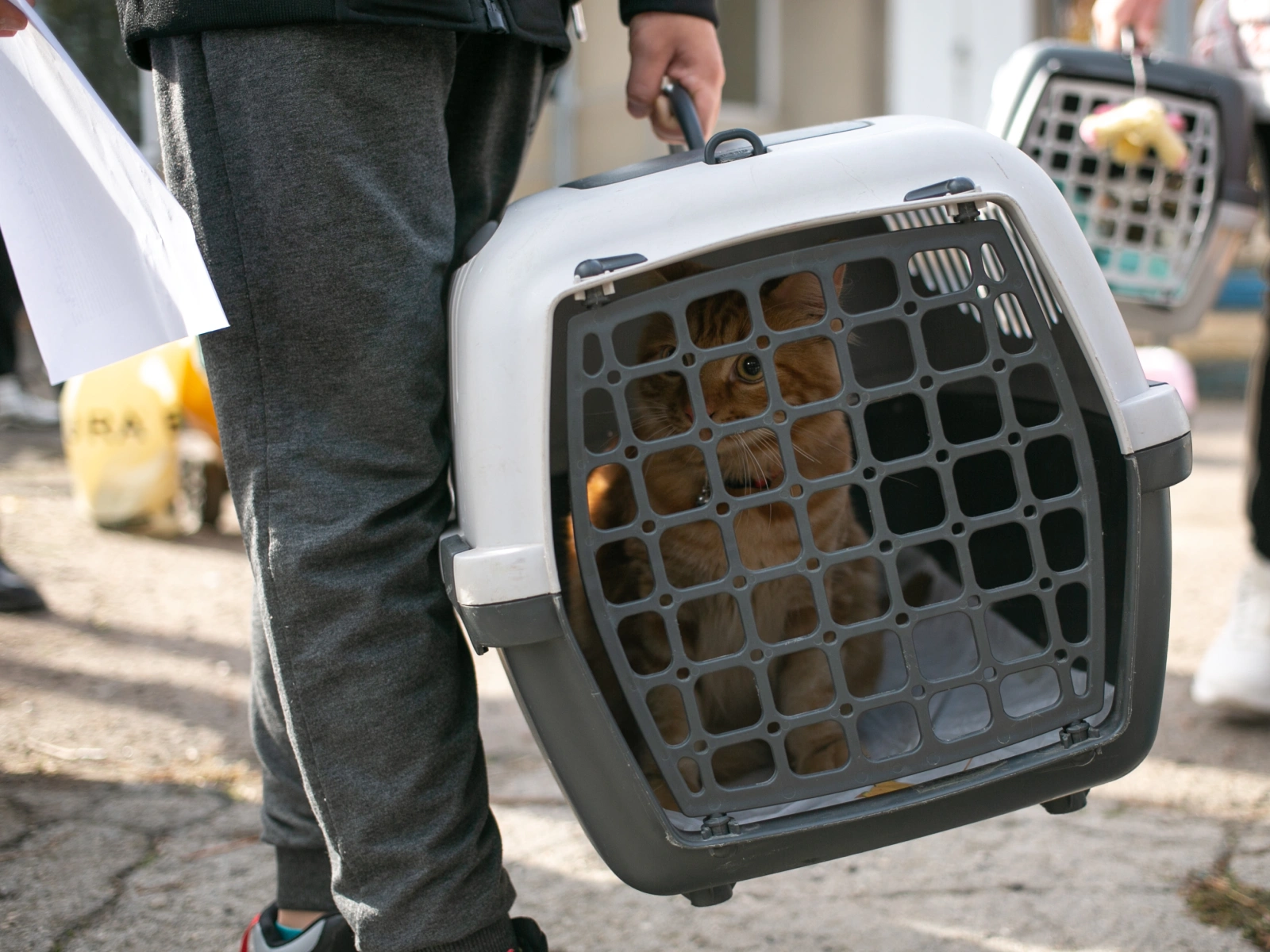
Sterilizing animals is important for a number of reasons. With the full-scale invasion of Ukraine, the number of stray animals has significantly increased. According to research, the number of animals in shelters and cared for by volunteers in rear areas has increased by 20-30%, and in front-line areas by 60% among zoo volunteers and 100% in shelters. Some owners abandoned their pets during evacuation, while others lost their pets due to shelling.
Without sterilization, the population of stray animals will continue to grow each year. One pair of cats and all their offspring can produce around 420,000 kittens over 7 years. One pair of dogs and all their offspring can produce around 67,000 puppies over 6 years.
In addition, sterilization has a positive effect on the health and lifespan of the animal. The average lifespan of sterilized animals is longer. Research conducted by the University of Georgia, based on medical records of over 70,000 animal patients, found that the expected lifespan of sterilized dogs is on average 20% longer.
According to another study of a sample of 40,000 dogs, spayed female dogs live 26.3% longer, while neutered male dogs live 13.8% longer.
The progeny of one pair of cats and one pair of dogs for 6 years

Myths about sterilization
According to a 2023 study, 82% of Ukrainians consider sterilization to be an effective and necessary way to combat uncontrolled animal reproduction, but only 50% of cat owners and 28% of dog owners have sterilized their own pets. People often refuse to sterilize their pets due to myths. Below, we will debunk the most common ones, based on information from the head of the SOS veterinary clinic in Kharkiv, Irina Podvoyska.
Myth 1
Sterilization will change the animal's character.
In reality, sterilization makes the animal more calm and less irritable.
Myth 2
This will affect the animal's intelligence.
Sterilization does not affect cognitive abilities at all. Animals will continue to learn new things, just as they did before sterilization. Especially if the owners devote time and attention to their development and training.
Myth 3
This will lead to weight gain.
Animals, like humans, gain excess weight when they are inactive or eat too much, not because they were sterilized. To keep your pet in shape, you need to control its food intake and make sure it gets enough regular exercise.
Myth 4
A dog or cat must give birth at least once before sterilization.
In fact, it is best to sterilize females before they reach sexual maturity, as sterilization reduces the risk of some types of cancer in female dogs and cats by 85%.
Myth 5
Sterilization is dangerous.
Currently, sterilization is the most common operation performed by veterinarians. The animal will feel slight discomfort and, in most cases, will return to its normal behavior within a few days.
How to involve your city in the UAnimals sterilization and vaccination program
To join the program, you need to submit an application. To do this, please fill out this form, and we will definitely get in touch with you.


"Volunteers, animal caregivers, or simply caring individuals who care about the fate of animals in their area can seek help. If you apply for a veterinary mission, you must be prepared to participate in organizing the process: help compile lists of animals, select premises for surgeries and temporary housing, and be present during the mission itself. UAnimals only goes to communities where there are at least 250 animals (domestic and stray) who require spaying/neutering or other veterinary care.
Therefore, by submitting an application, a person actually becomes the coordinator of the veterinary mission in their town or city and, together with our team, helps implement it on site."
Animals are registered through the coordinator of your town, city or community — the person who coordinates the veterinary mission on site. These are usually volunteers, animal caregivers, soldiers, representatives of low-income groups or internally displaced persons who care for animals and help organize the team’s trip.
No, all assistance during the veterinary mission is completely free. No one who brings an animal for sterilization pays for the surgery, medications, vaccines, capture, or the work of veterinarians. If during the veterinary mission you encounter a request for payment for treatment or other services, please write to us immediately via UAnimals’ messaging channels.
Yes, we spay/neuter both stray and domestic animals. The UAnimals program aims to reduce the number of stray animals in general, and spaying/neutering domestic animals is an important part of this process.
Spaying and neutering are usually performed no earlier than 4 months of age. This age is considered optimal from a veterinary perspective — it reduces the risk of complications and helps prevent unwanted behavioral changes associated with hormonal activity. The final decision is always made by the veterinarian after examining the animal.
You can apply through our chatbot @help_uanimals_bot (provided that registration for participation in the veterinary mission is open).
Yes, UAnimals has partner clinics in frontline areas where free sterilization, rabies vaccination, and microchipping of animals are also provided.
Appointments at the clinic are arranged through coordinators in each region. If you live in a frontline area and want to find out whether it is possible to have your animal spayed/neutered at a clinic, please send us a private message on UAnimals’ Instagram.
The acceptance of applications depends on funding and the security situation, so it is not permanent.
UAnimals covers the costs of sterilization, rabies vaccination, and microchipping.
In each region where the program operates, there is a coordinator who manages the sterilization queue. To sign up, please send us a private message on UAnimals’ Instagram — we will connect you with the coordinator or refer you directly to the clinic.
No, the program depends on the availability of resources. UAnimals allocates funds to specific regions in stages, so the dates may change.
The last call for applications for veterinary missions to the front line was in May 2026. We are currently continuing to organize and carry out planned visits in response to requests.
During one trip of our veterinary mission, we spay/neuter, vaccinate, and microchip more than 300 animals, and such a mission costs about UAH 500,000 (≈$11,842). Each trip is carefully planned to ensure maximum benefit for the animals and efficient use of resources.
As soon as we are able to accept new requests, we will announce it on our website and social media.
During a veterinary mission, veterinarians spay/neuter, vaccinate, microchip, and advise on animal health. If necessary, they also perform examinations and provide treatment. In some cases, vets have to perform more complex procedures on animals in critical condition (amputations as prescribed by veterinarians, wound suturing, plaster cast application, debris removal, etc.). Each mission allows us to comprehensively support animal health and reduce risks to their lives and population. We also distribute cat and dog food during our veterinary missions.
After each surgery as part of our veterinary missions, the animal’s human or caregiver receives a memo with instructions on how to care for the animal during the postoperative period. It includes the phone number of our head veterinarian — if a person notices any concerning symptoms or has doubts about the animal’s condition, they can contact her directly. The vet will provide a consultation and advise on how to proceed.
Yes, during each vet mission, we vaccinate all animals that have not yet been vaccinated against rabies.
After sterilization, stray animals are cared for by local coordinators — volunteers who apply for vet missions and take care of animals in their communities. After surgery, each animal remains under veterinary supervision for at least 24 hours. If his/her condition causes concern, the team continues to monitor it until the end of the veterinary mission. In case of complications, we transfer the animal to a partner veterinary clinic for further treatment.

SHARE
about UAnimals on social networks
SUBSCRIBE
to UAnimals news


