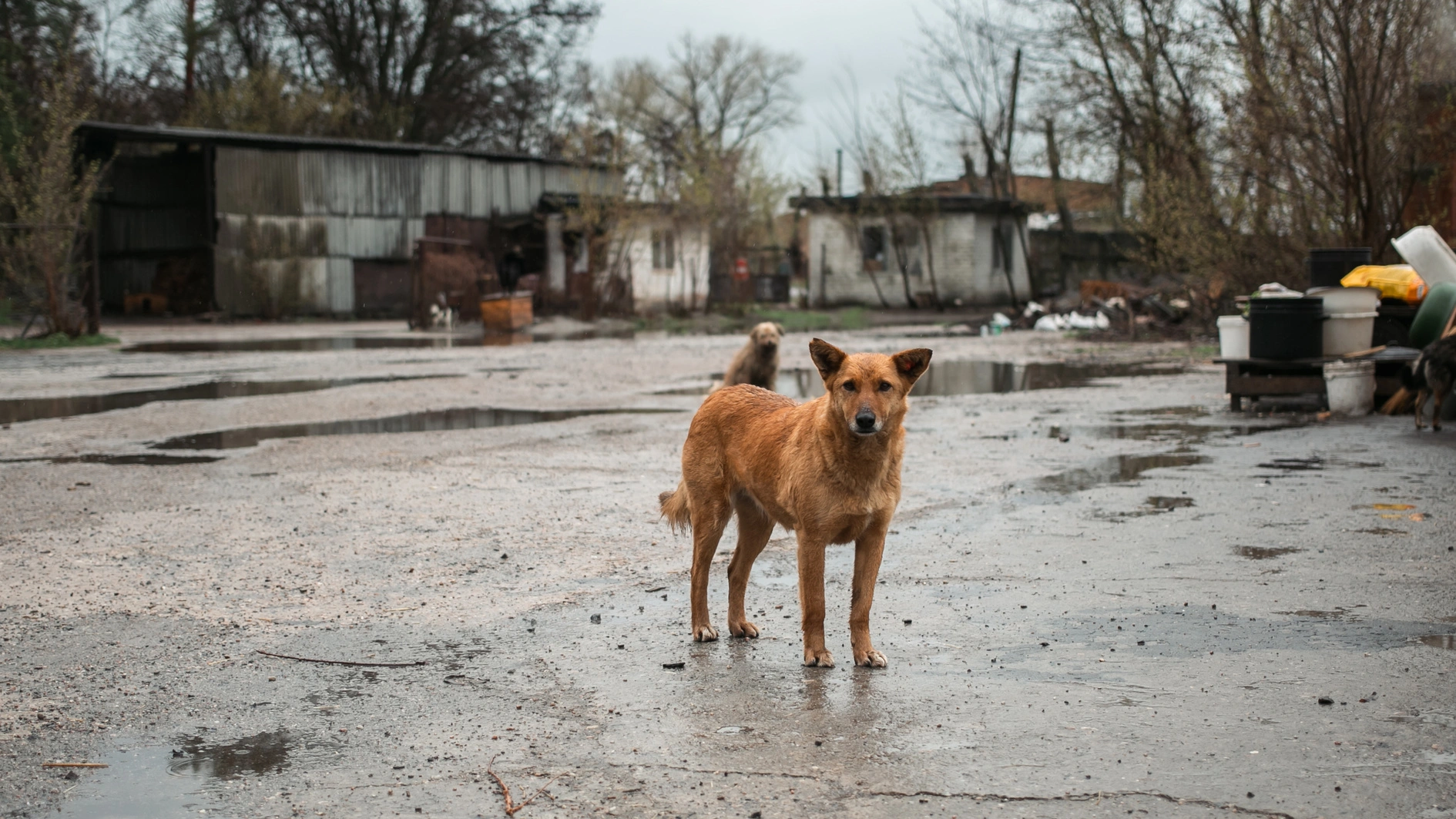
For five days in villages near the front line in Dnipropetrovsk region, we sterilized, vaccinated, operated on, and treated cats and dogs
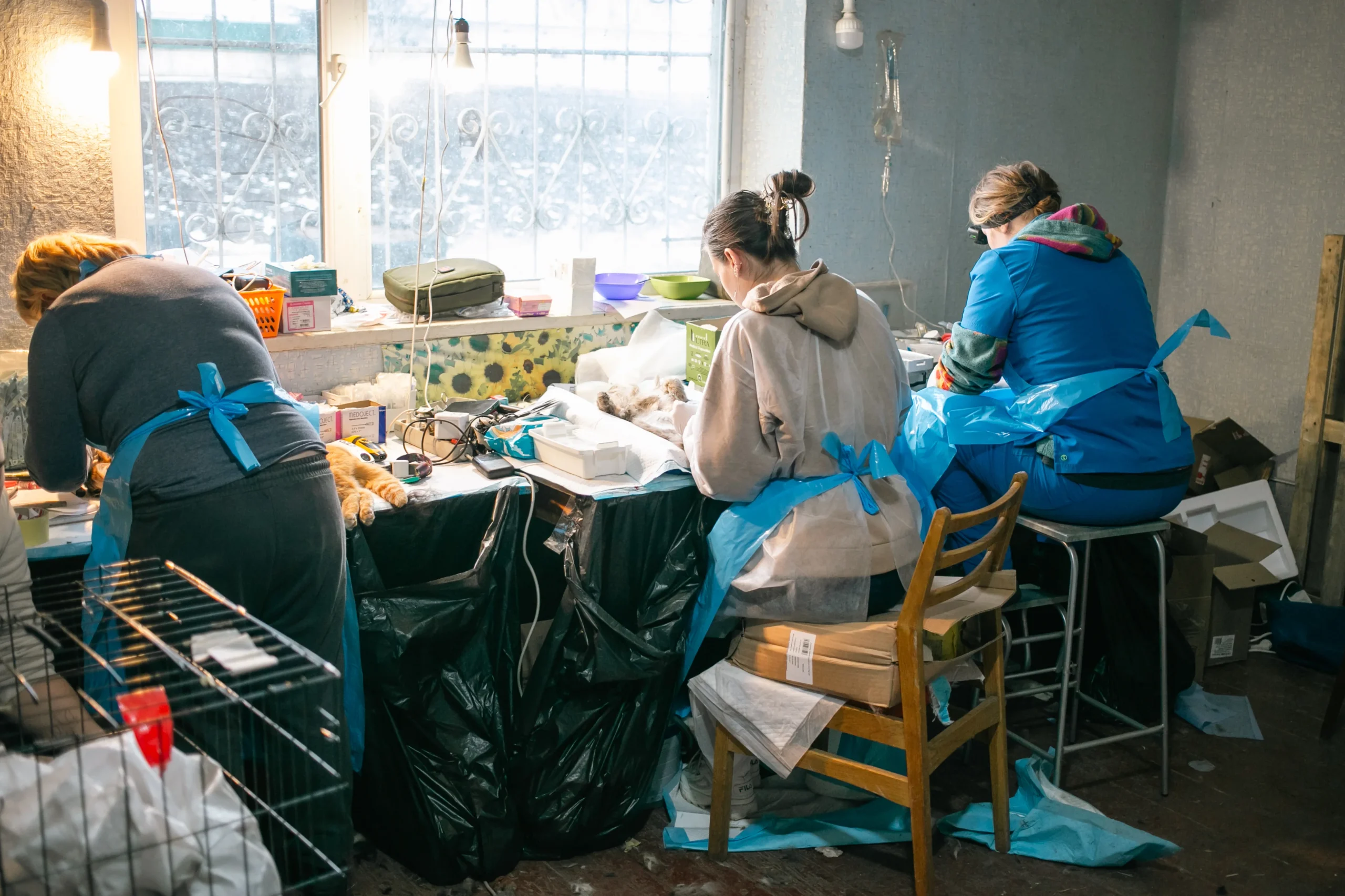
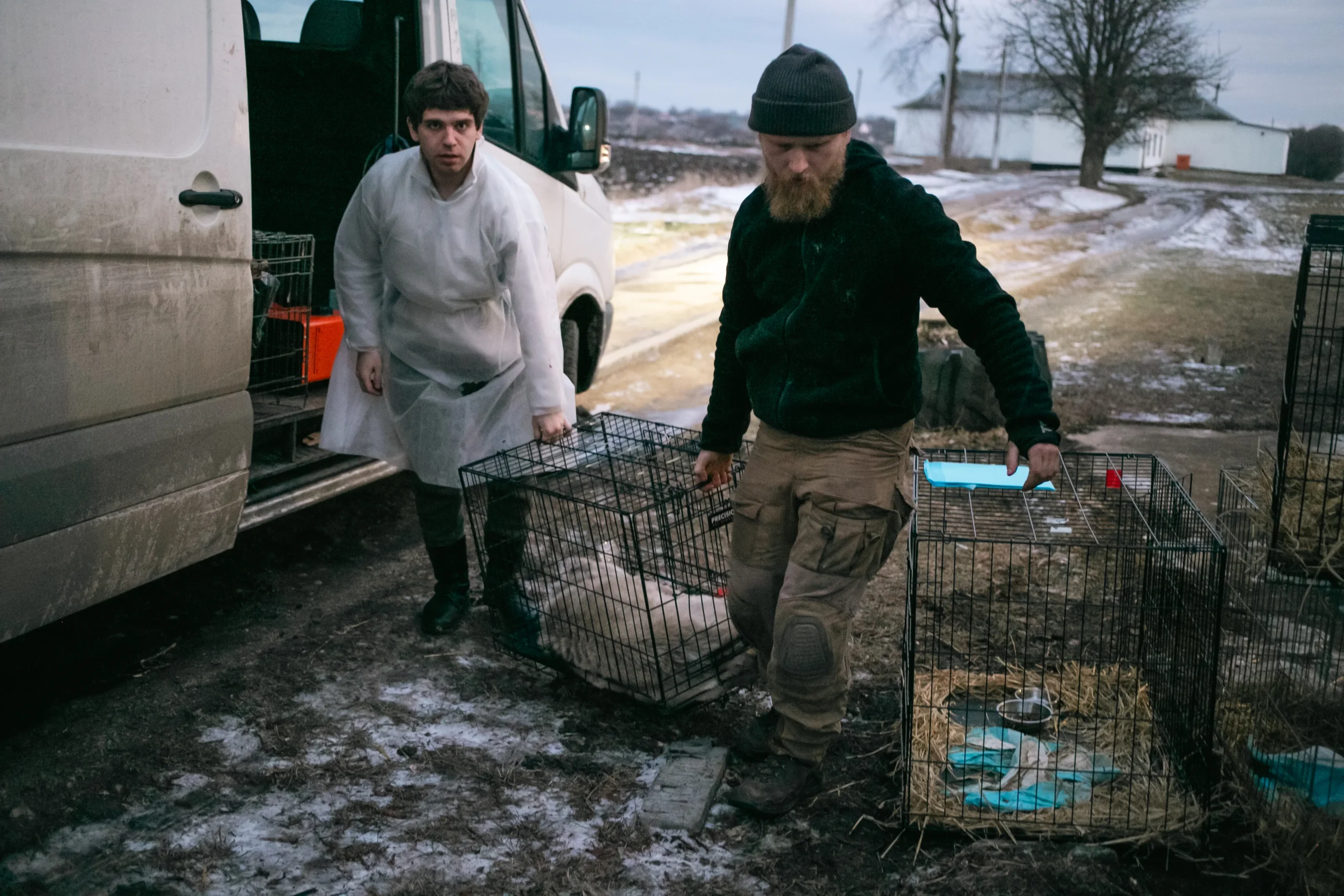
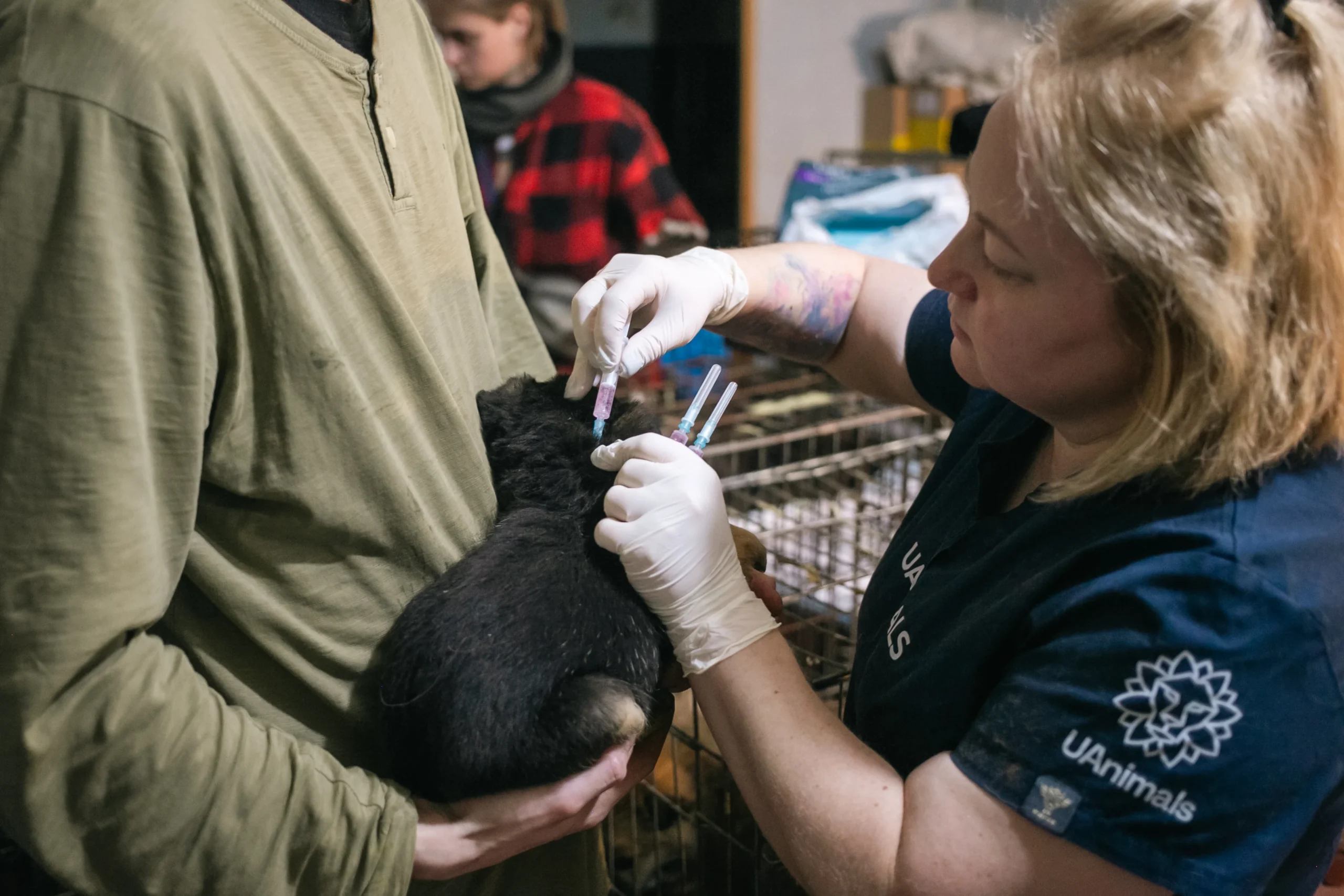
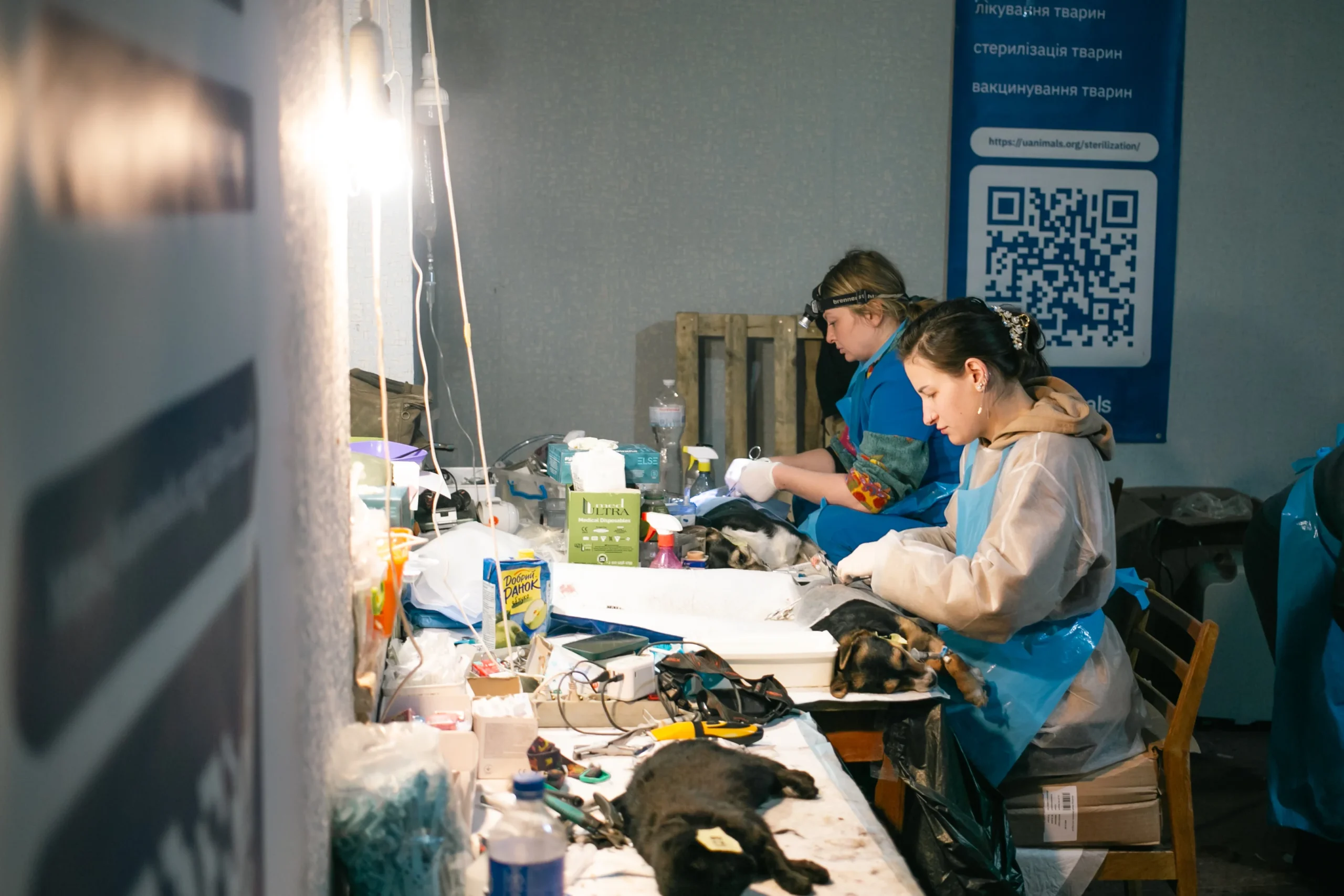
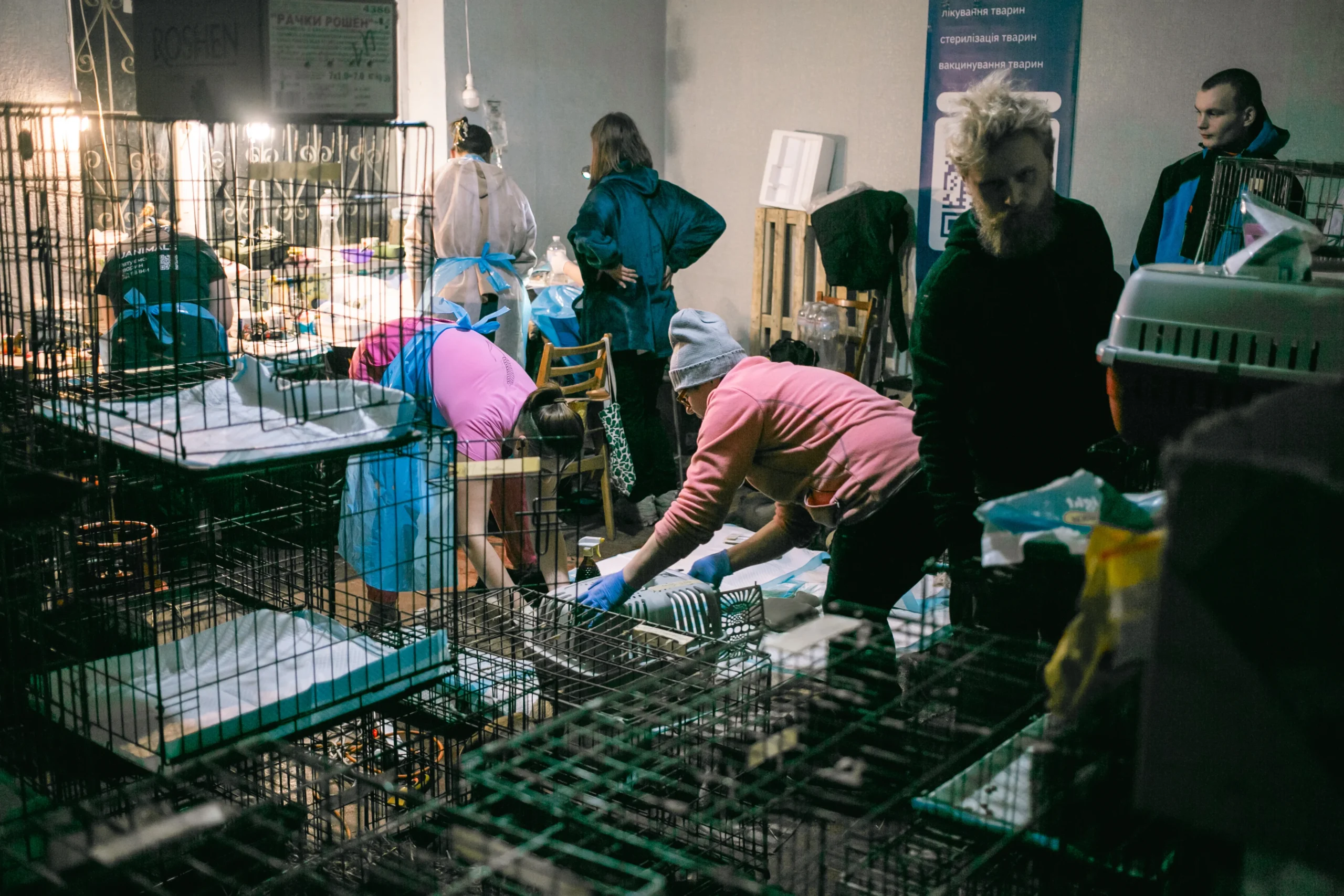
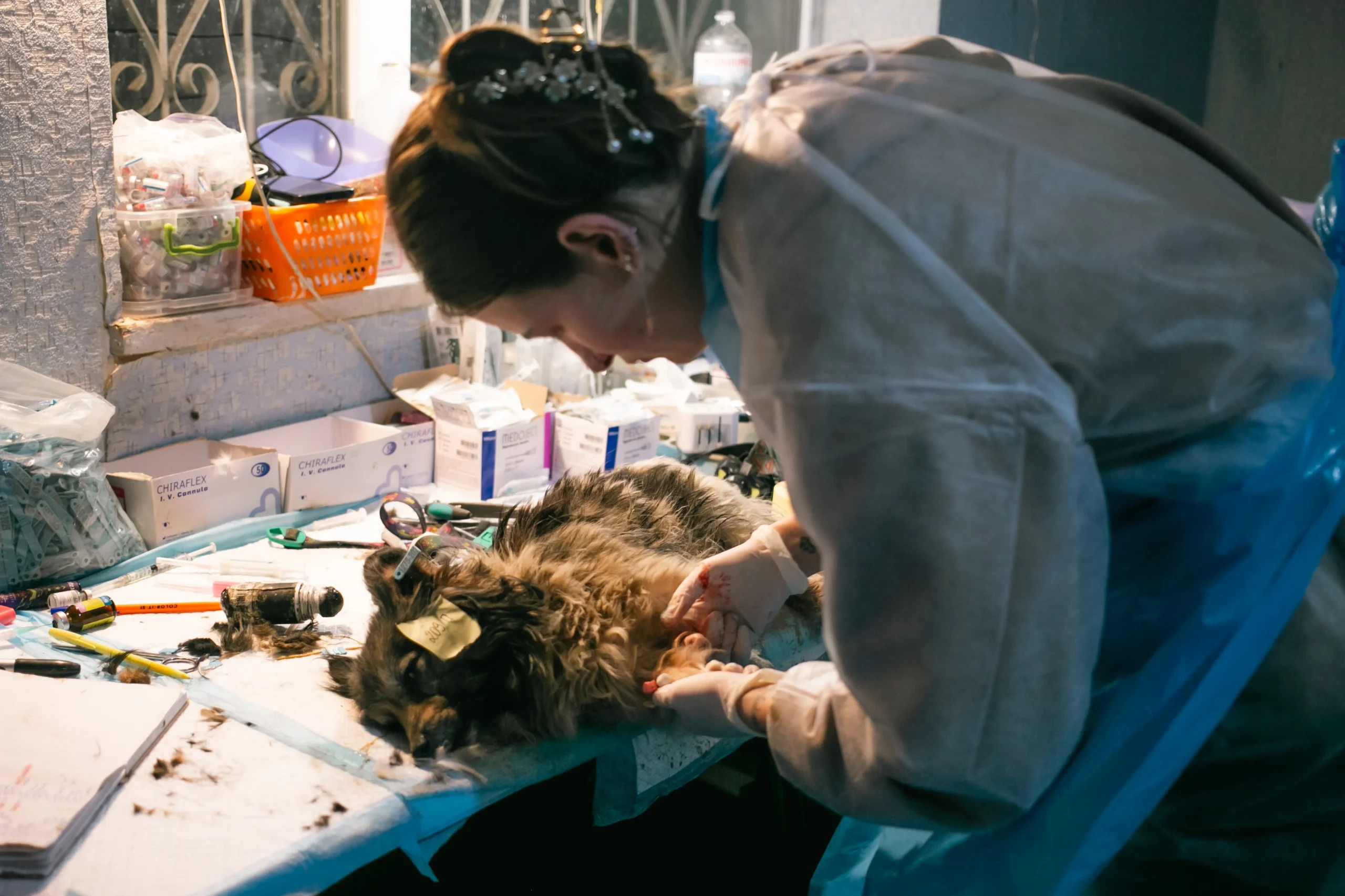
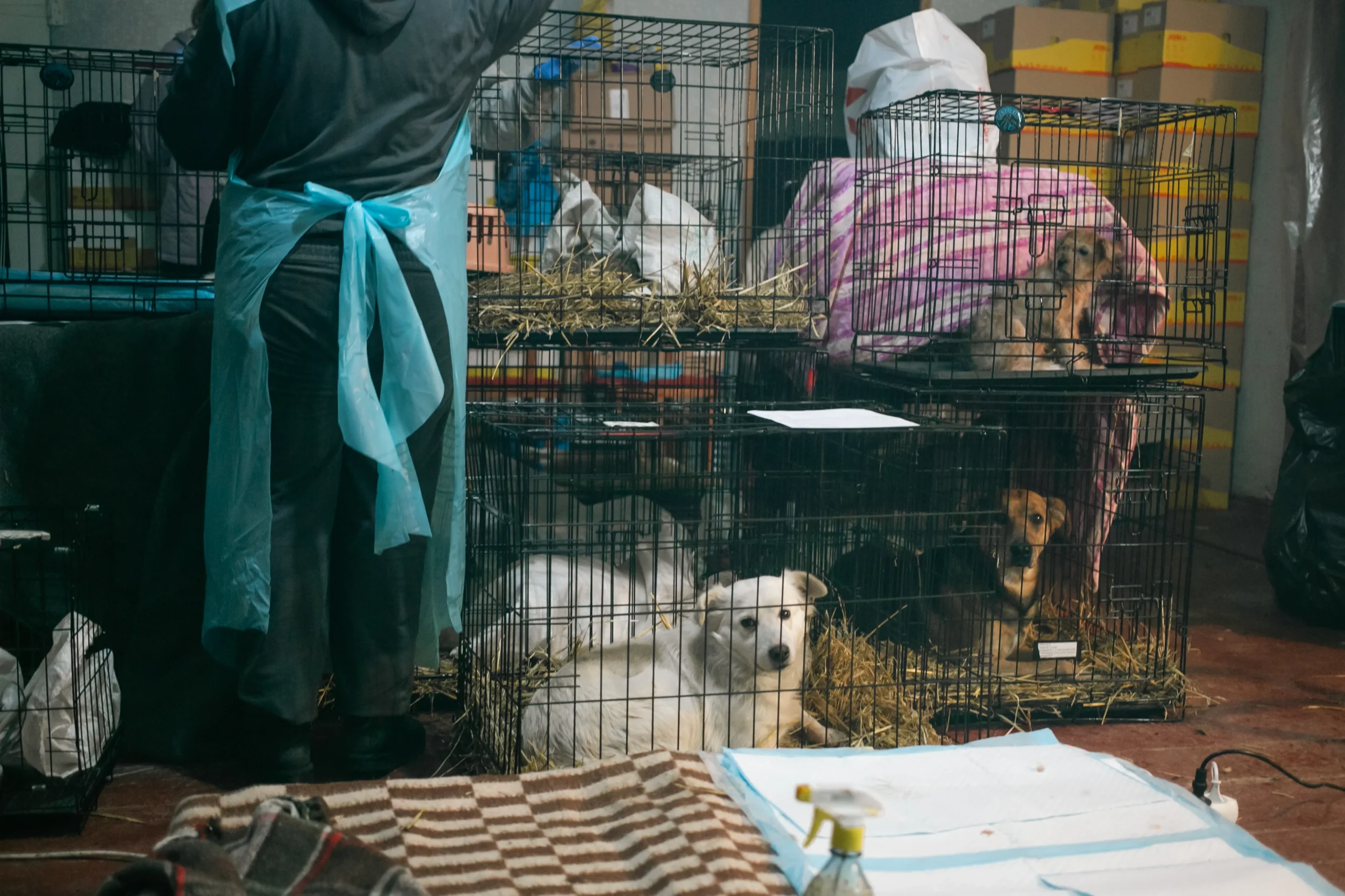
In February 2026, the UAnimals team, together with veterinarians from the “Affordable Sterilization” project, worked in the villages of Krynychky and Chervonoivanivka in the Dnipropetrovsk region. In five days, we helped 287 animals — we sterilized, treated, vaccinated, and treated them for parasites.
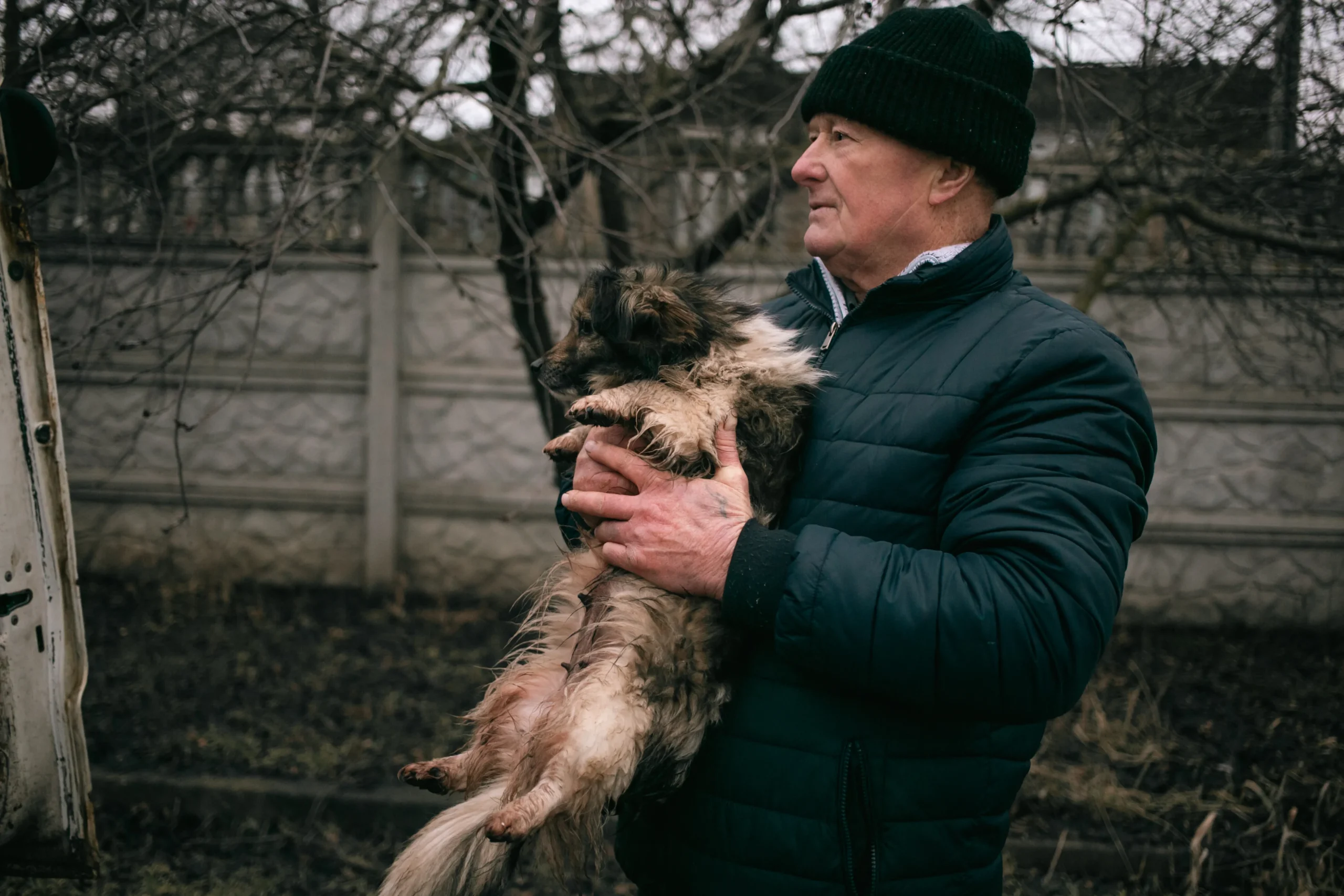
In frontline villages, there is almost no access to veterinary care. People cannot take animals to clinics — there is no transport, it is dangerous and expensive. Animals live without sterilization or vaccinations, get sick and reproduce. That is why we regularly organize trips to such communities.
Over the course of five days, we sterilized 278 animals, held 21 consultations for caregivers, and performed additional surgery on nine animals that needed urgent treatment. Trapper Andriy caught 43 stray animals, which were also sterilized, vaccinated, microchipped, and treated for parasites.
We also distributed over 690 kilograms of cat and dog food. This will be enough for several weeks for the people who care for their own and abandoned animals in the community.
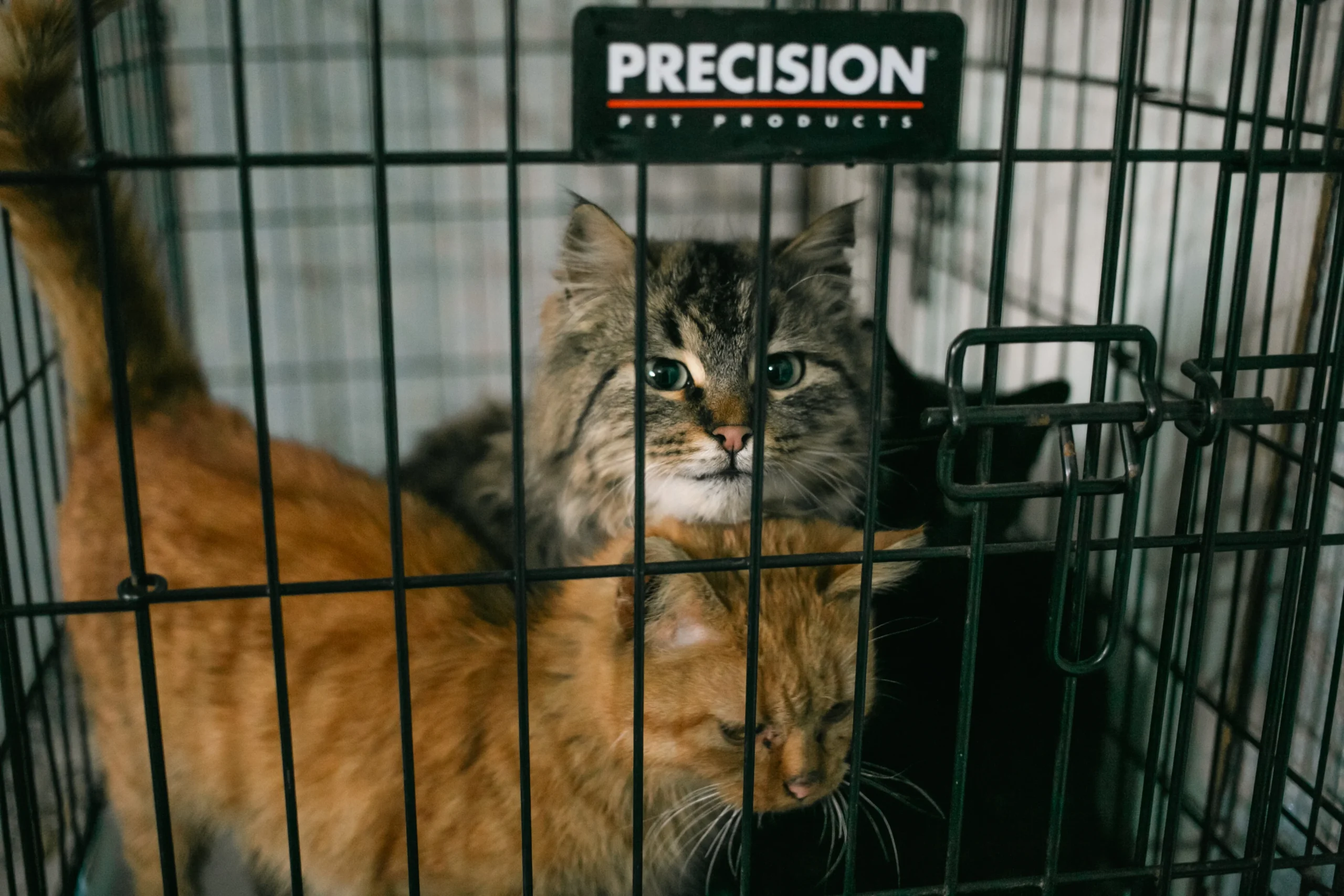
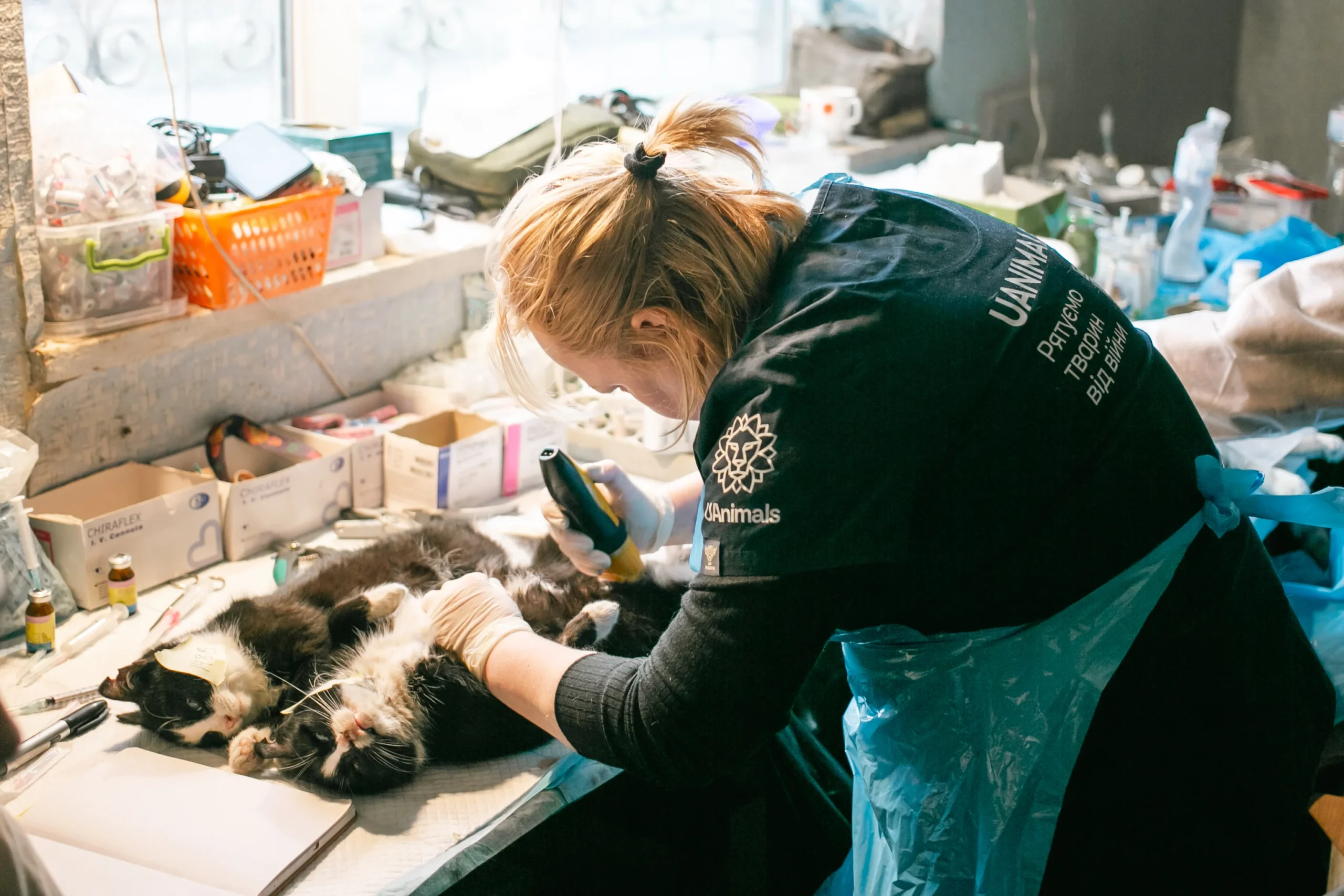
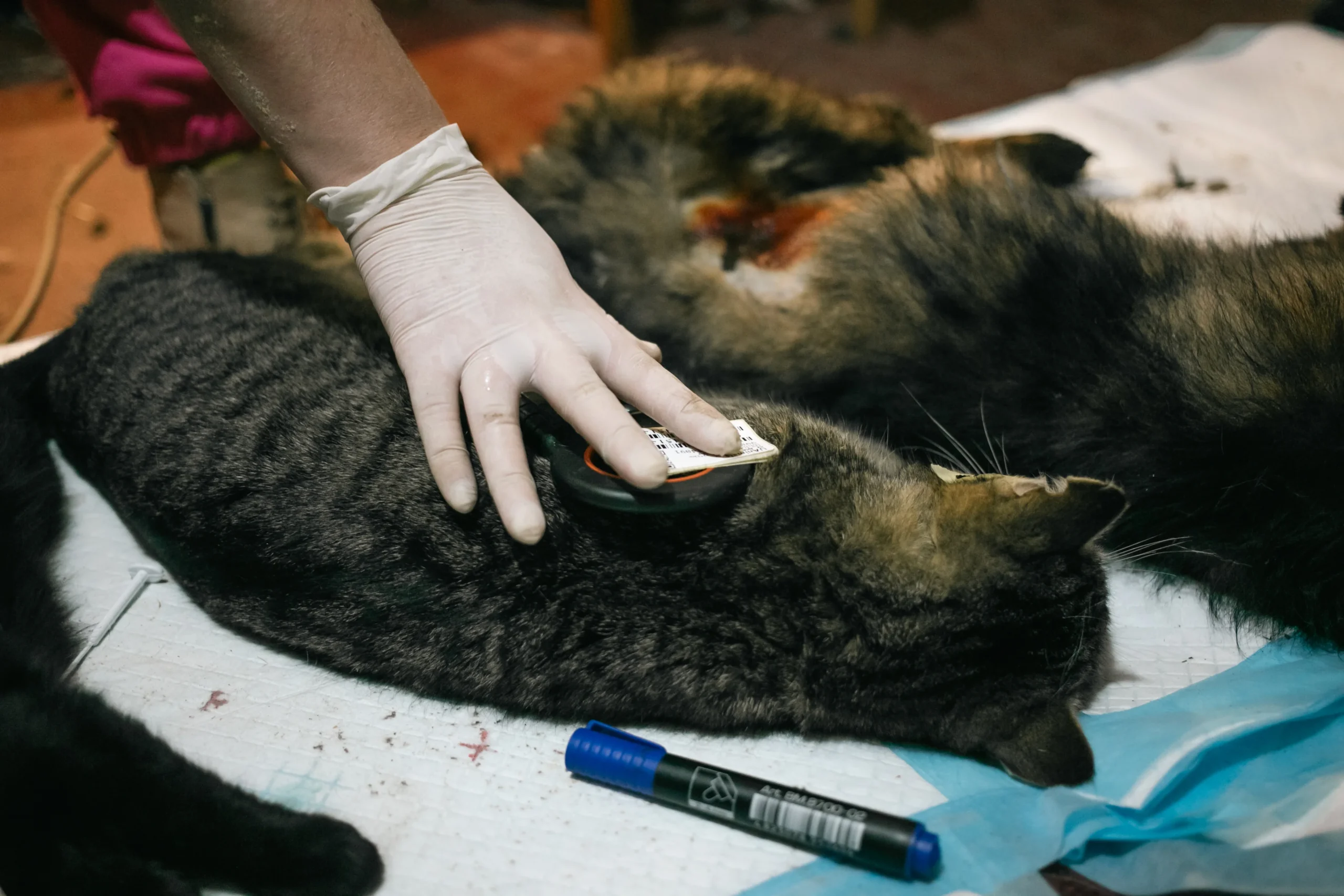
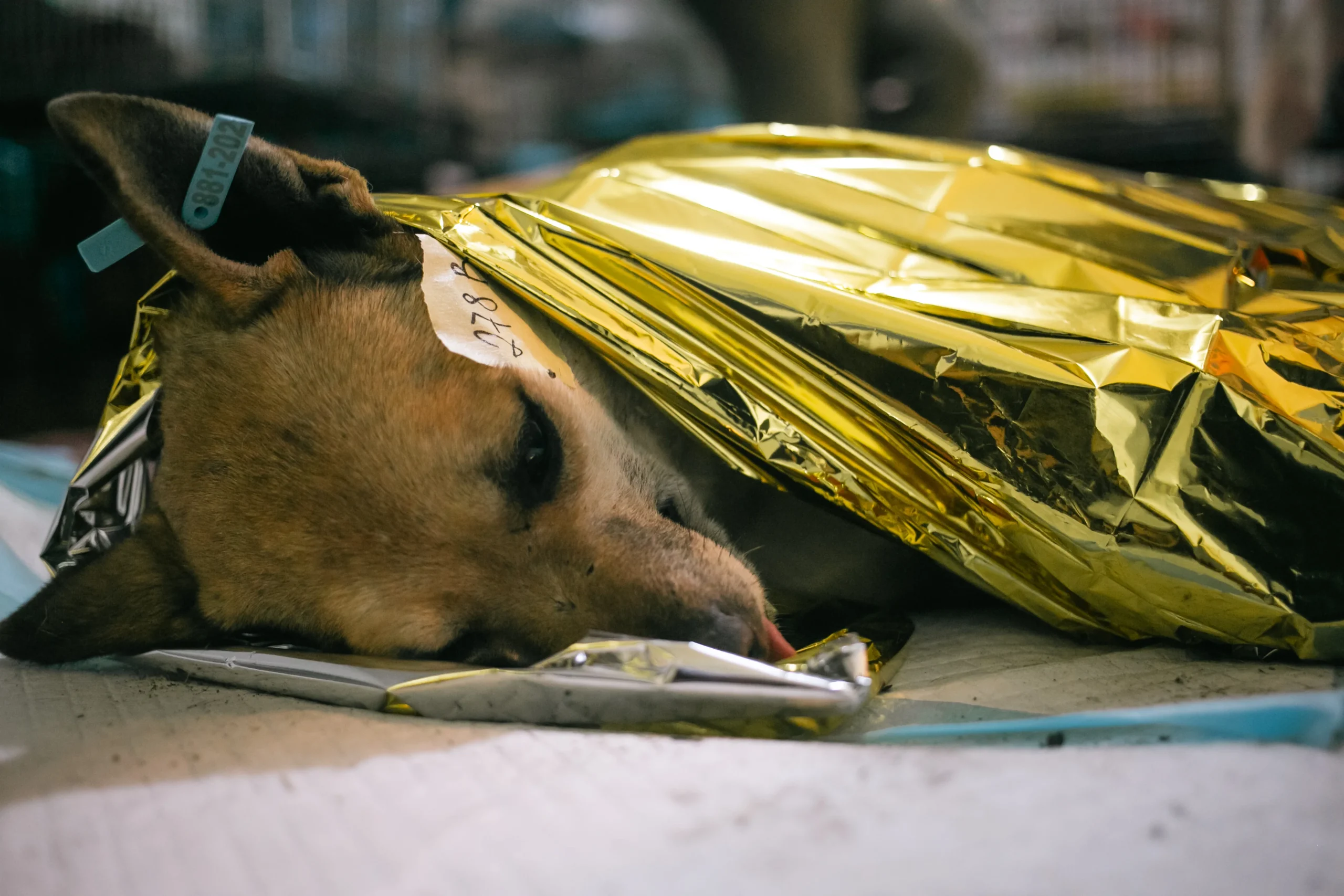
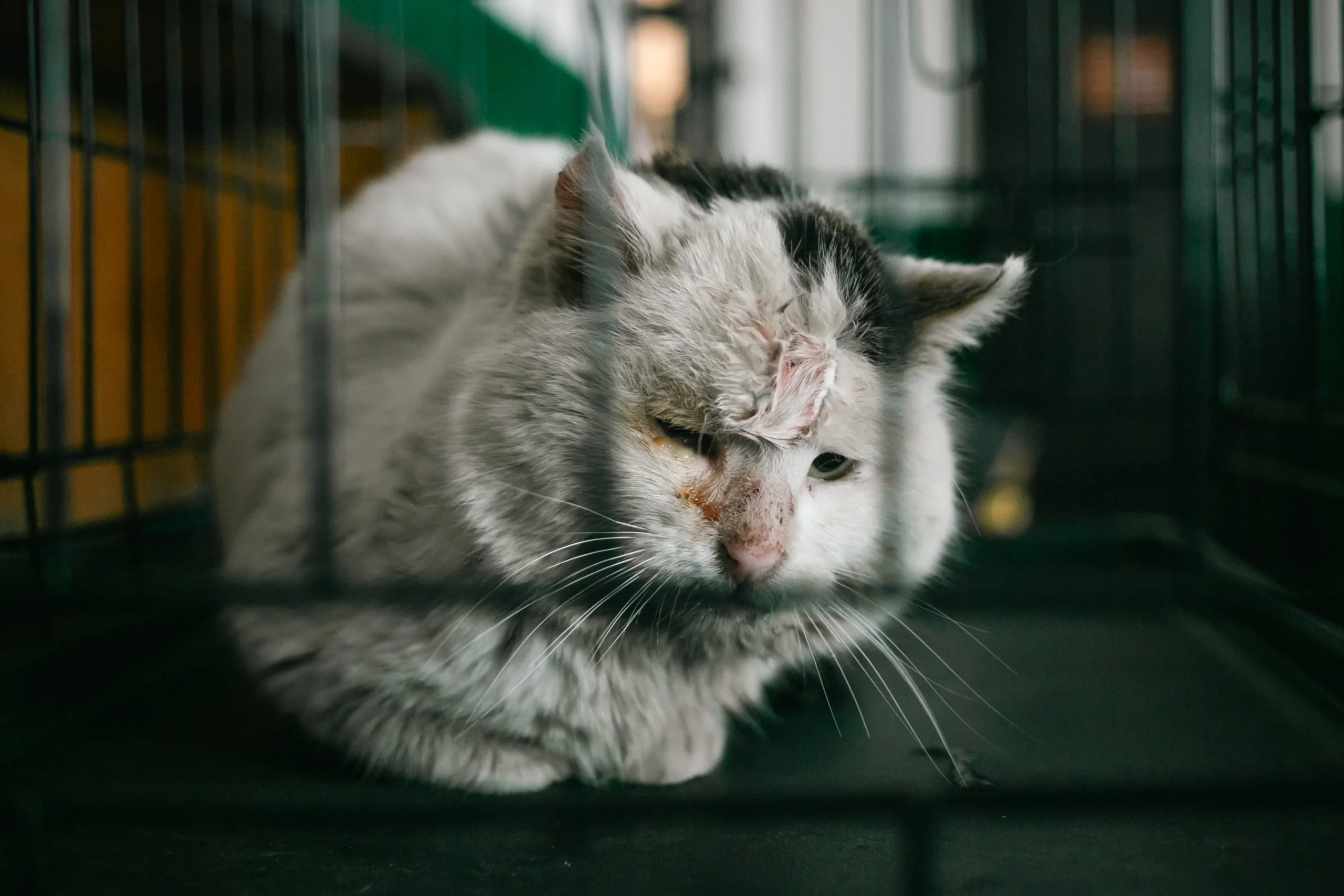


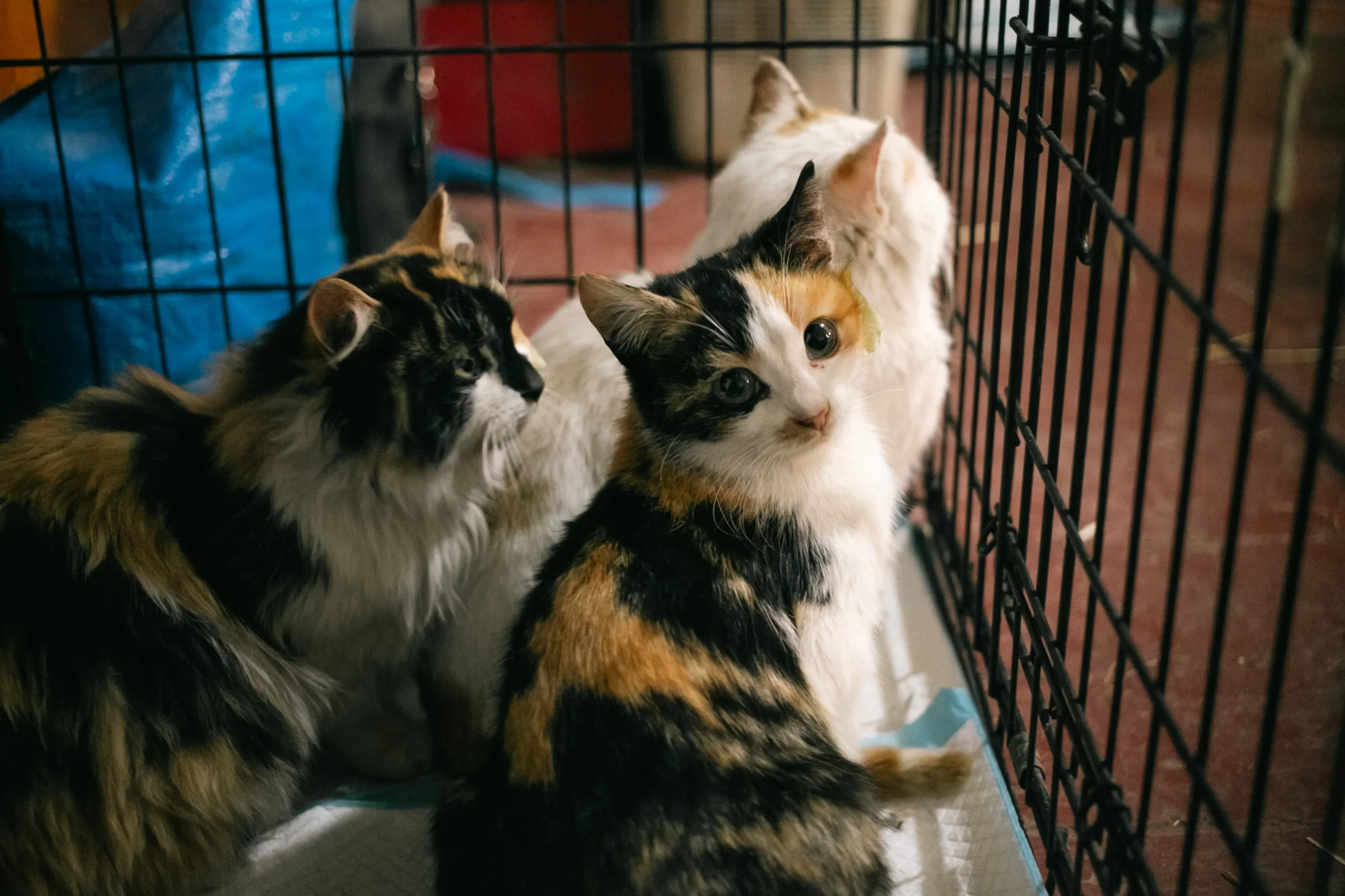
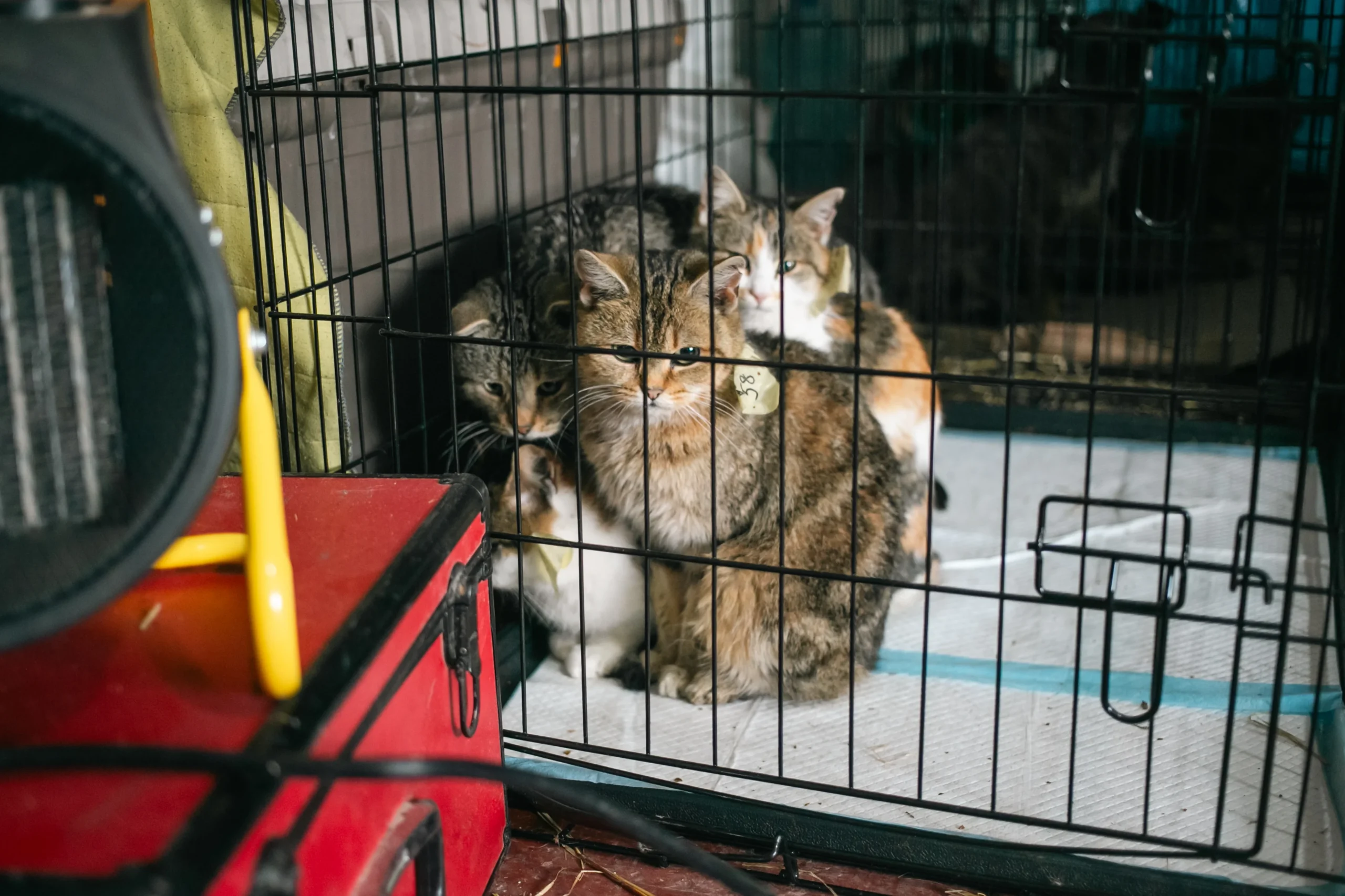
During the mission, we picked up a cat from a local store. He had an open wound on his head and an abscess that burst on the doctor’s table. The cat was exhausted and had probably not eaten for a long time. He underwent eye surgery, had his wound treated, was put on a drip, neutered, and vaccinated. He is now recovering.
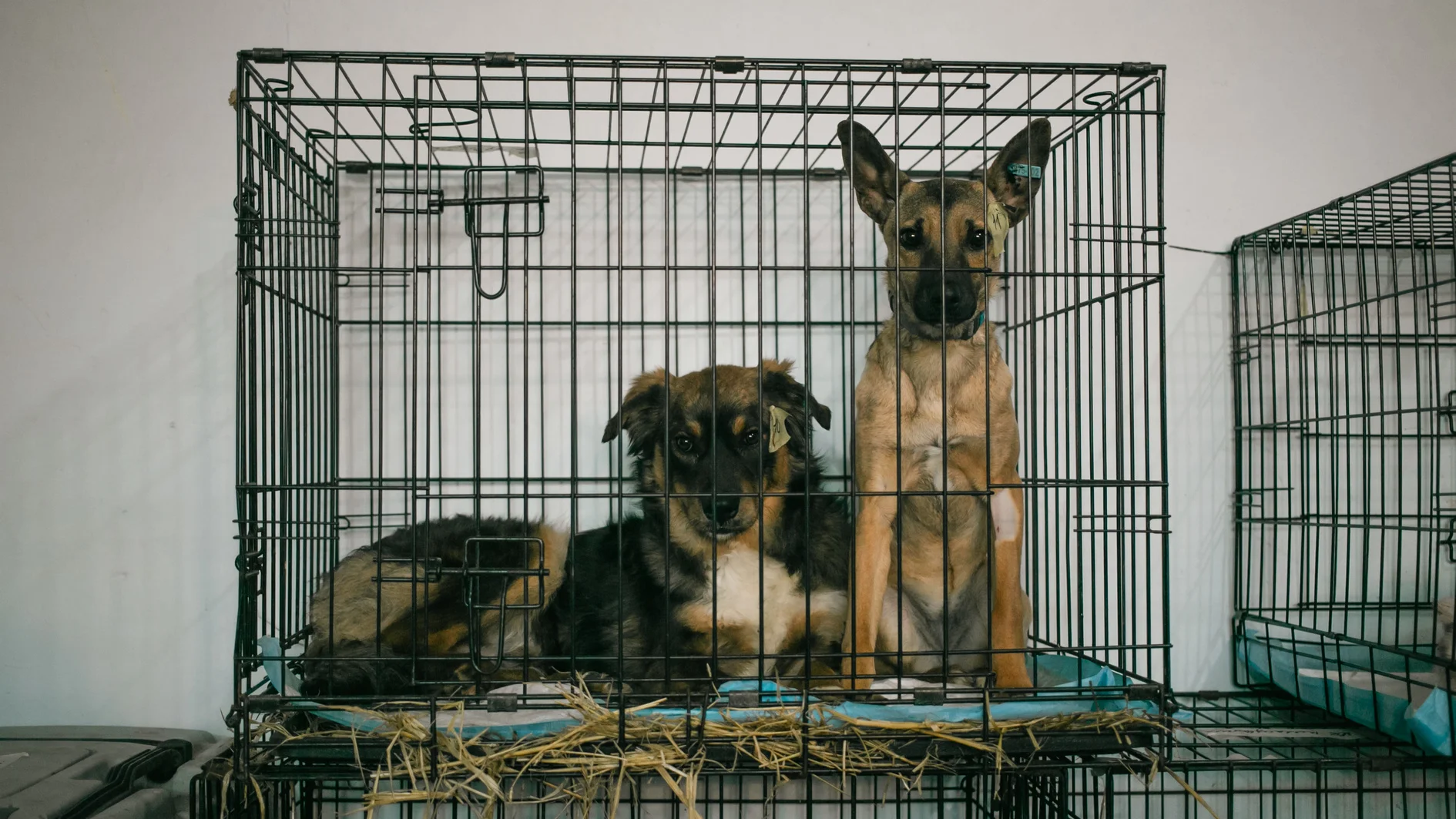
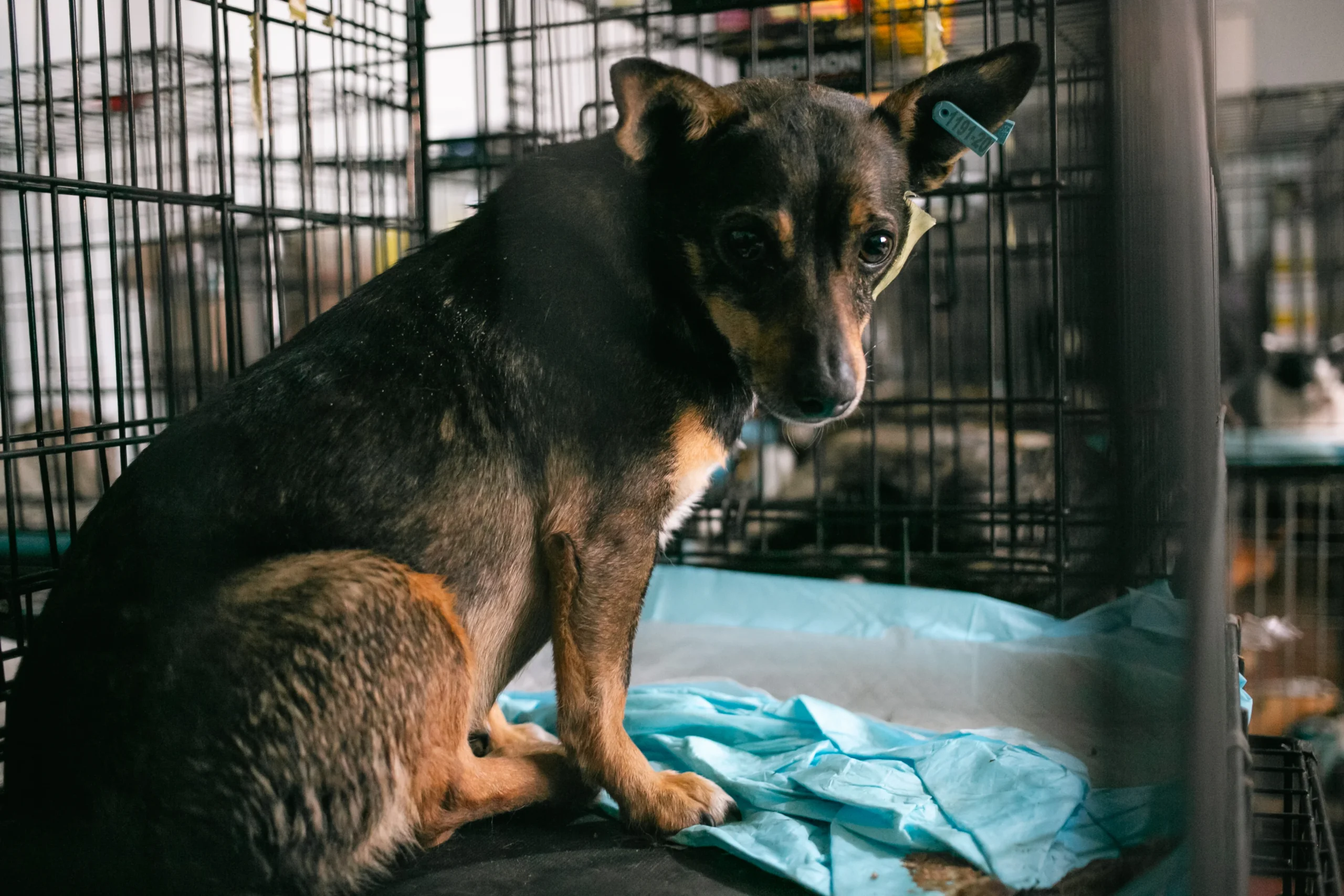
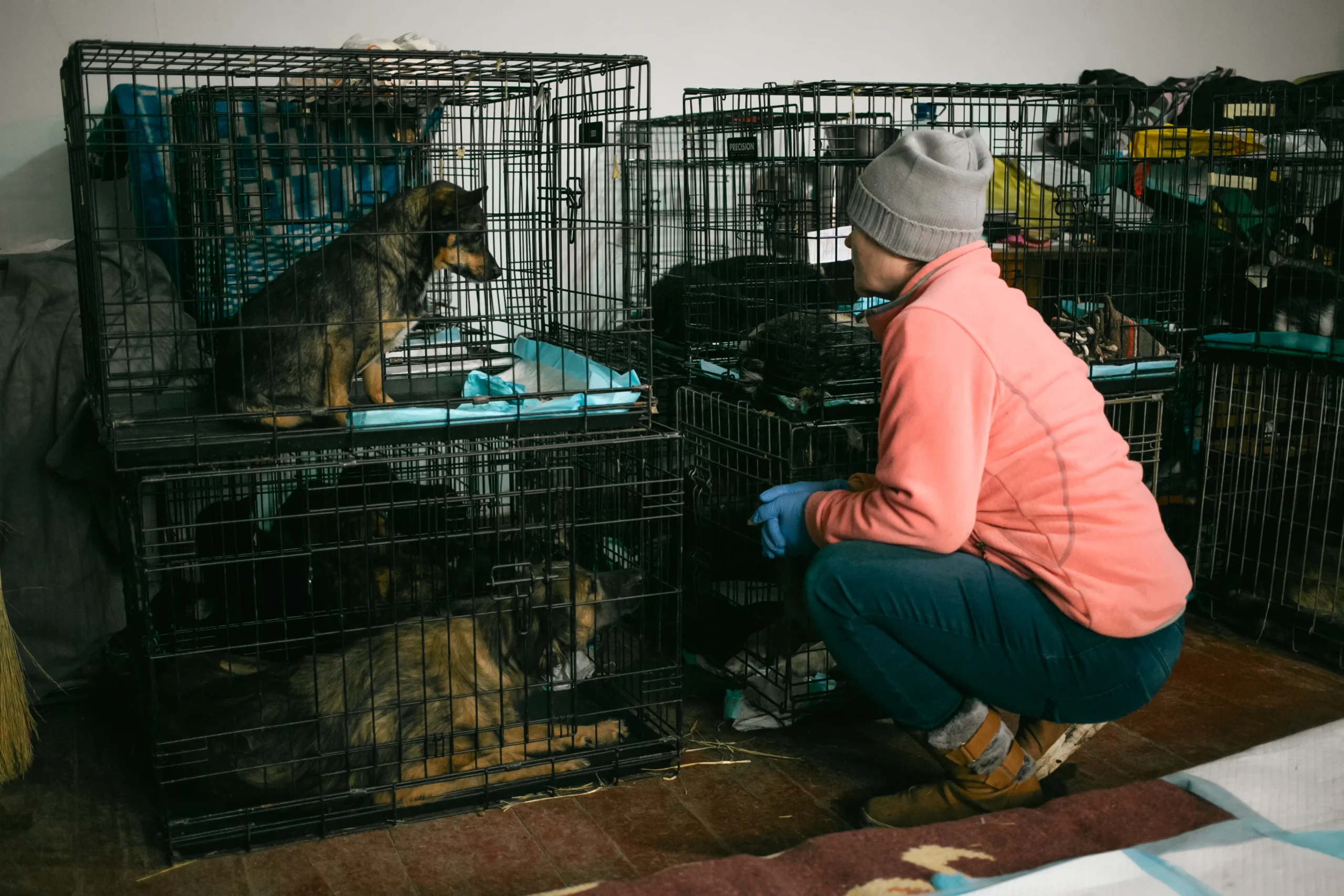
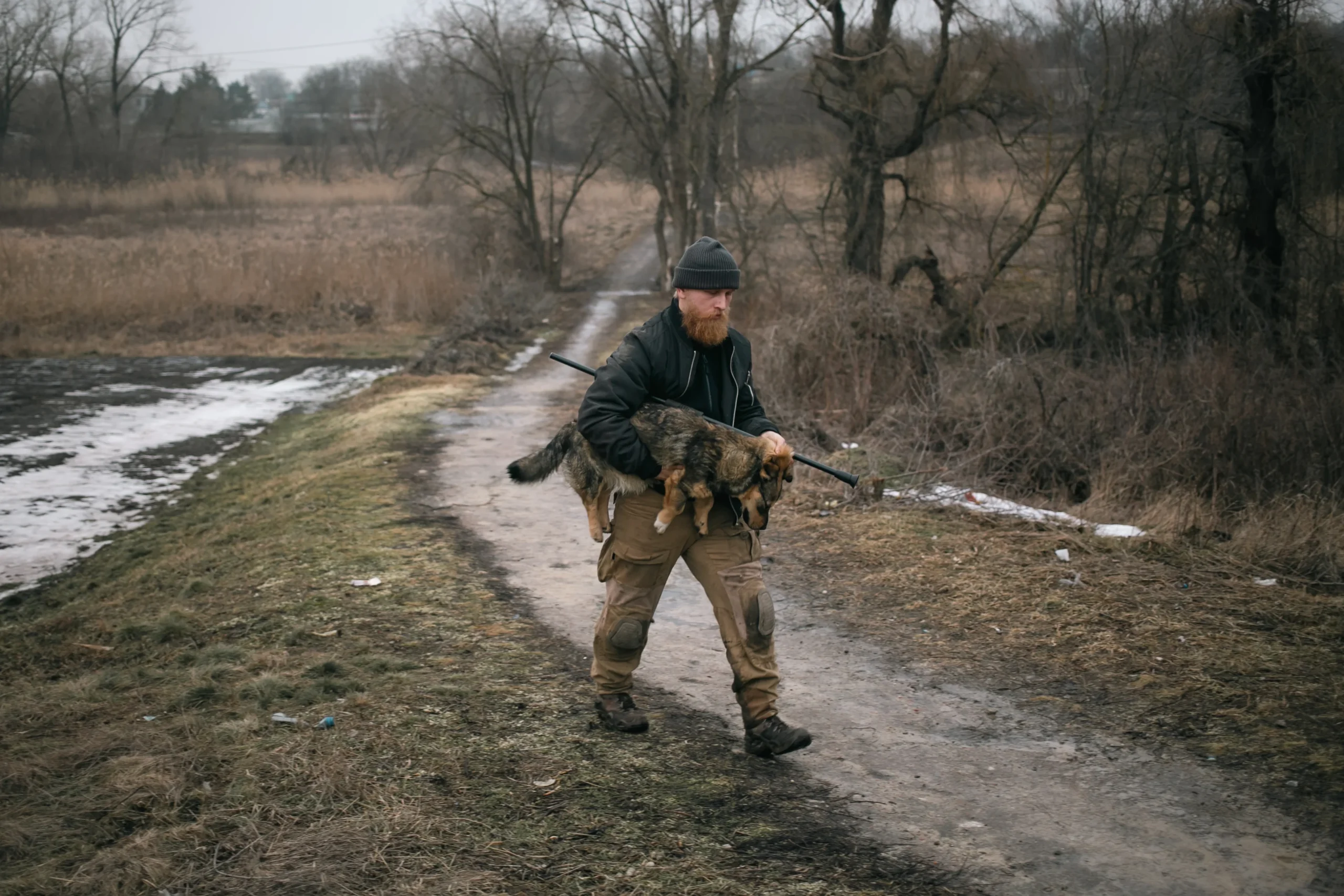
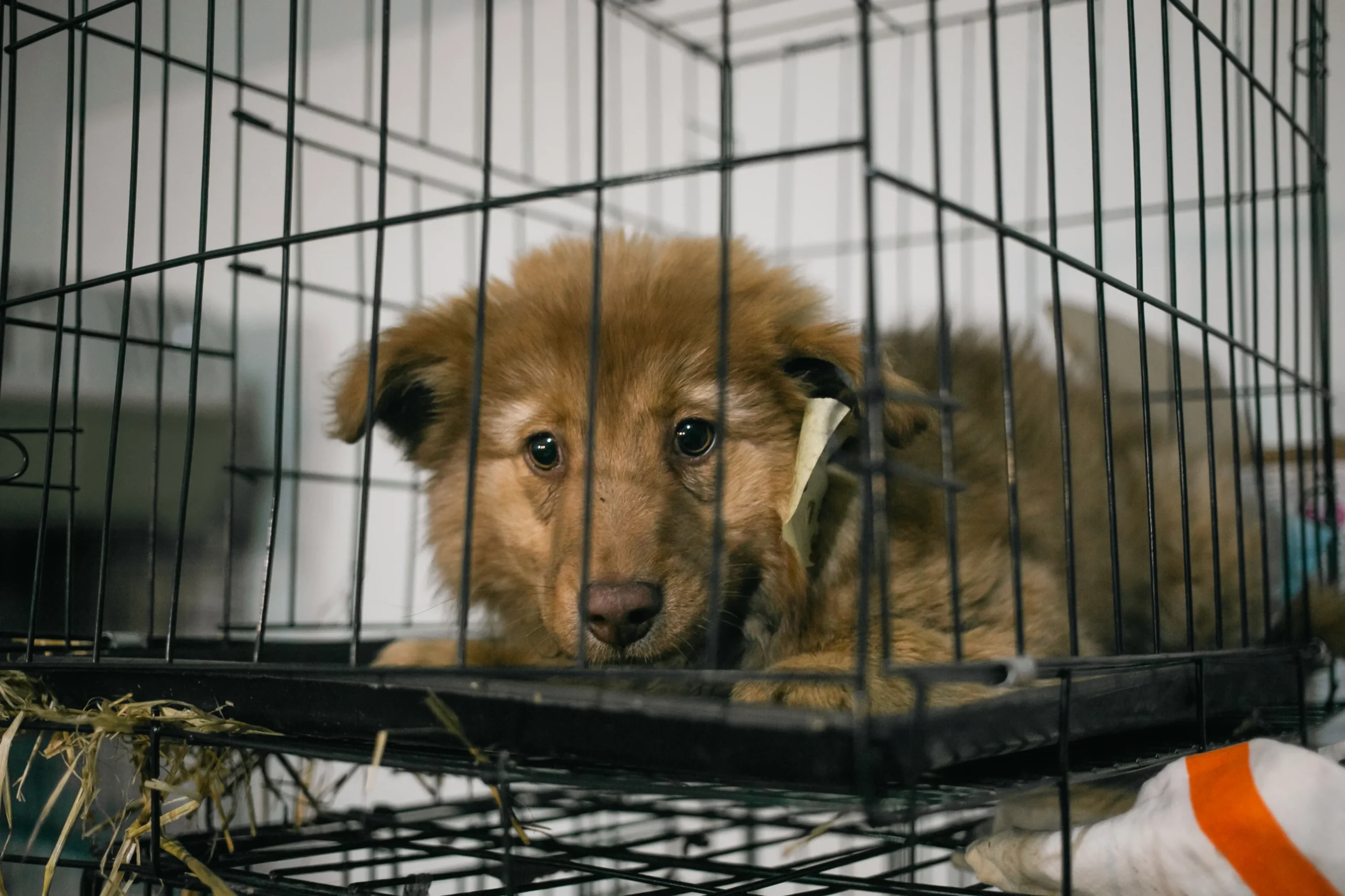
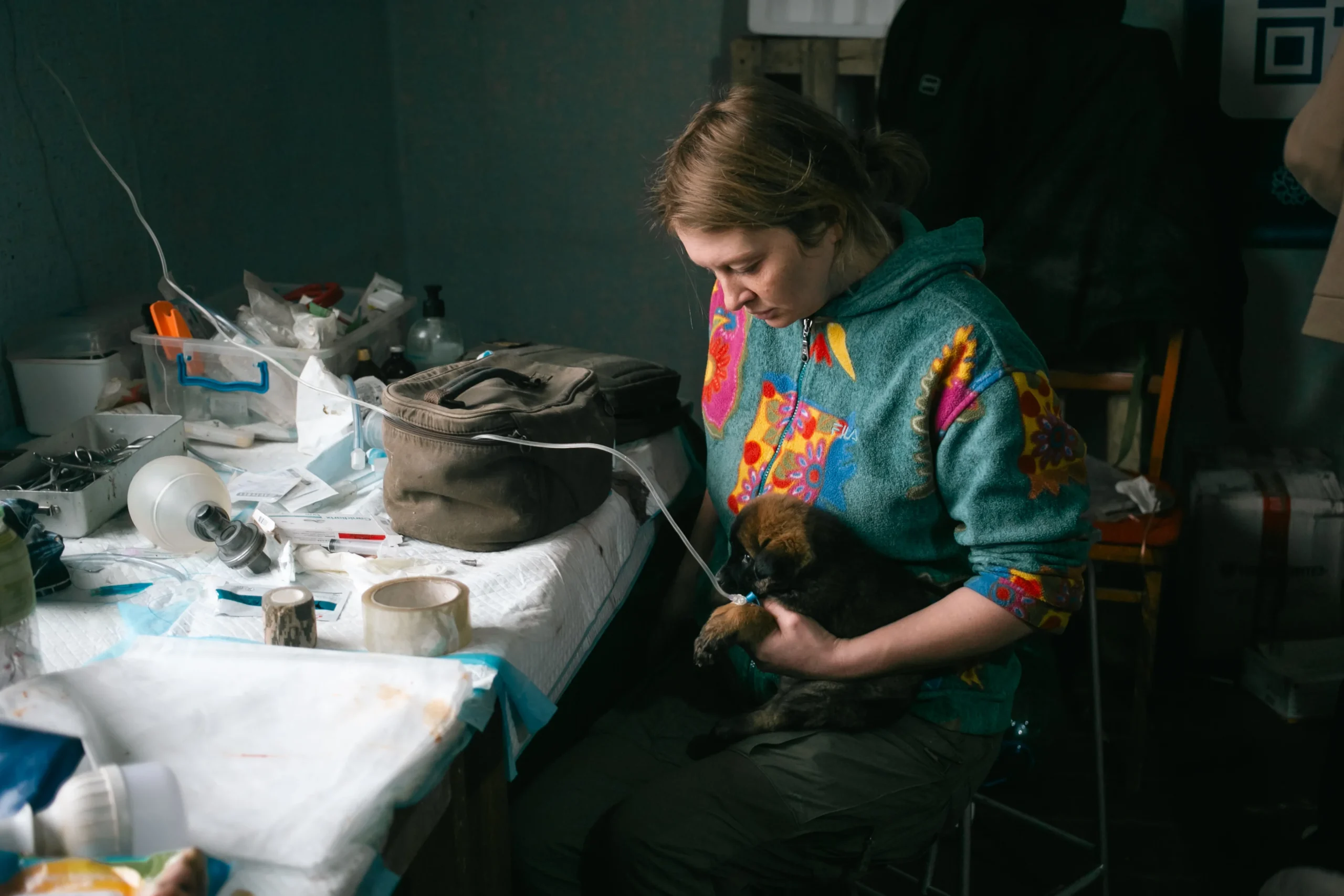
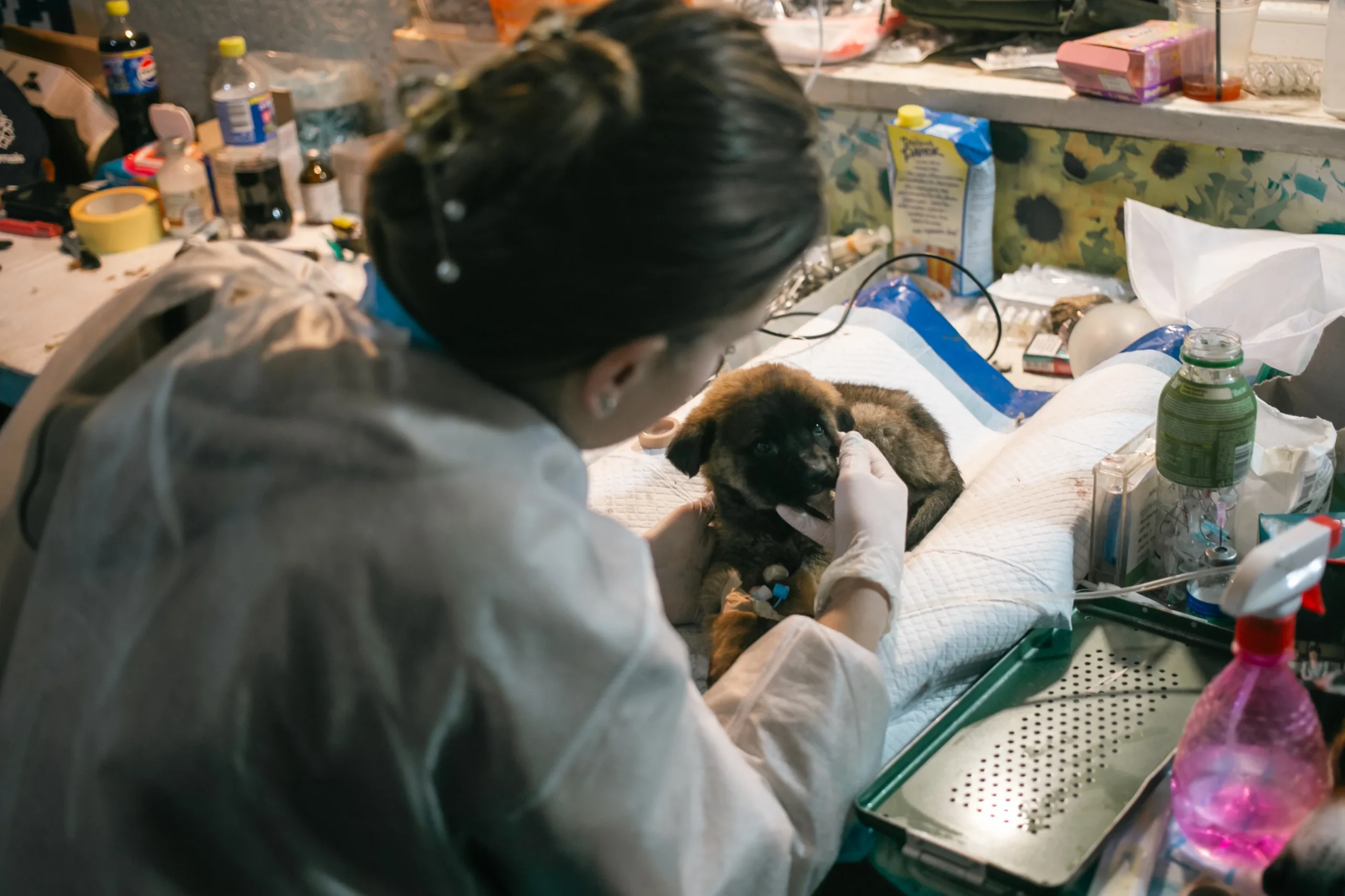
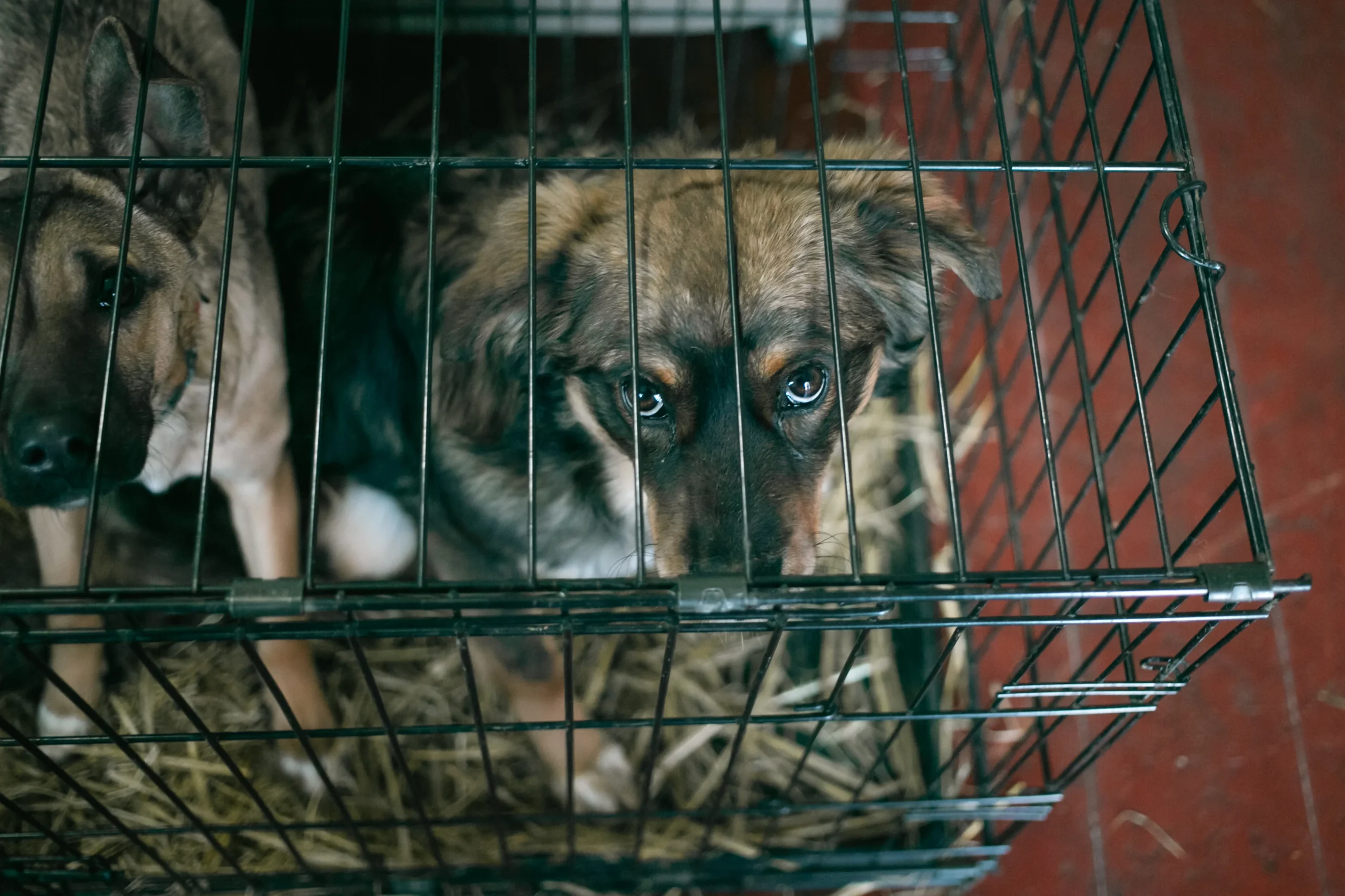
Catcher Andriy caught a family of dogs — a mother, father, and three puppies. They were all vaccinated and treated, but the next day one of the puppies became apathetic. The test for enteritis was negative, but additional tests revealed babesiosis, a serious disease transmitted by tick bites. The puppy was immediately given an antidote and put on a drip. All three were transferred to the clinic for observation and will then be taken into the care of the Bilozersk Animals shelter. We really hope they make a full recovery.
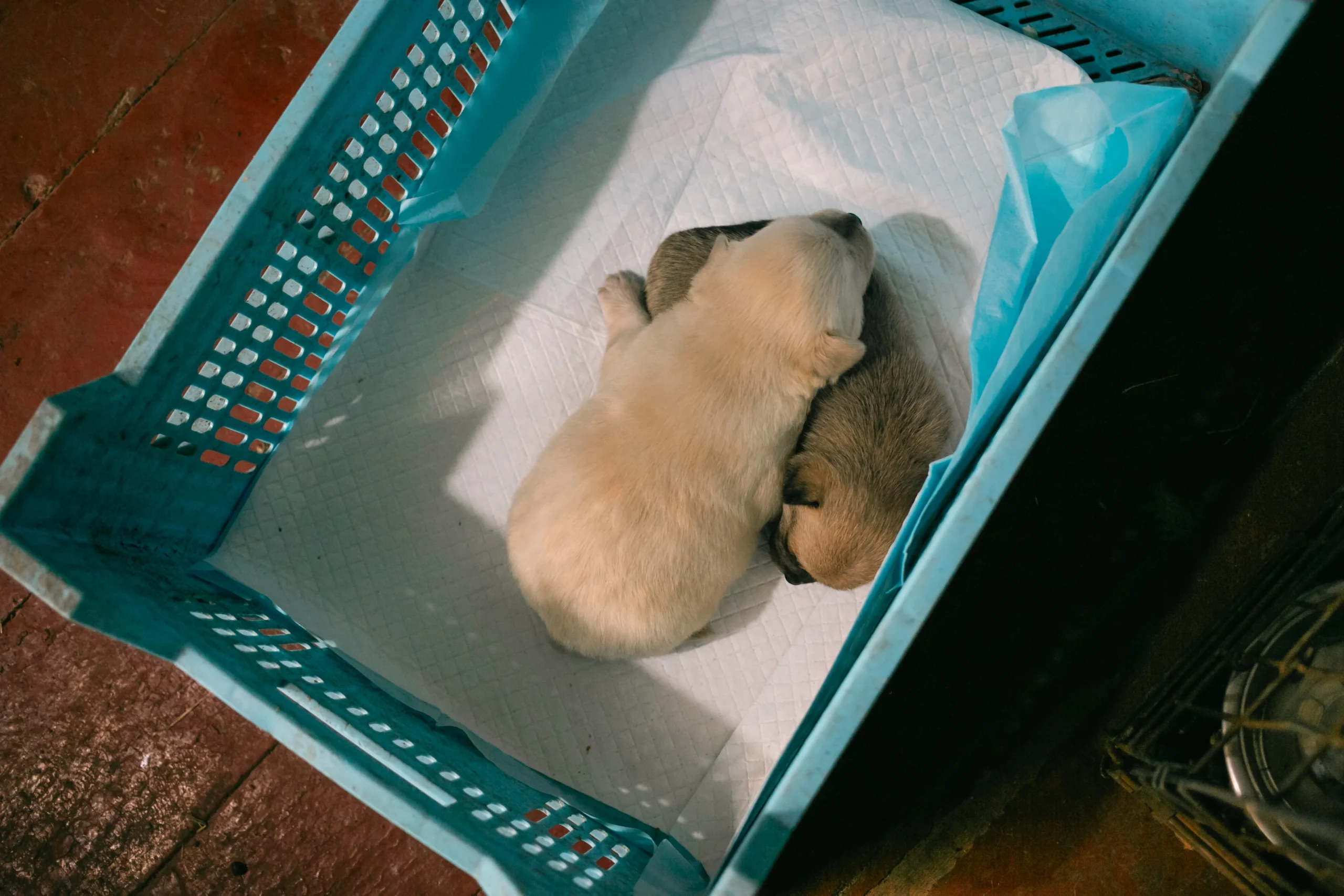
Three more puppies were caught in the industrial zone. There were about 15 of them there, but only these three survived. The puppies were treated, vaccinated, and transferred to the clinic for quarantine to make sure they didn’t develop enteritis.
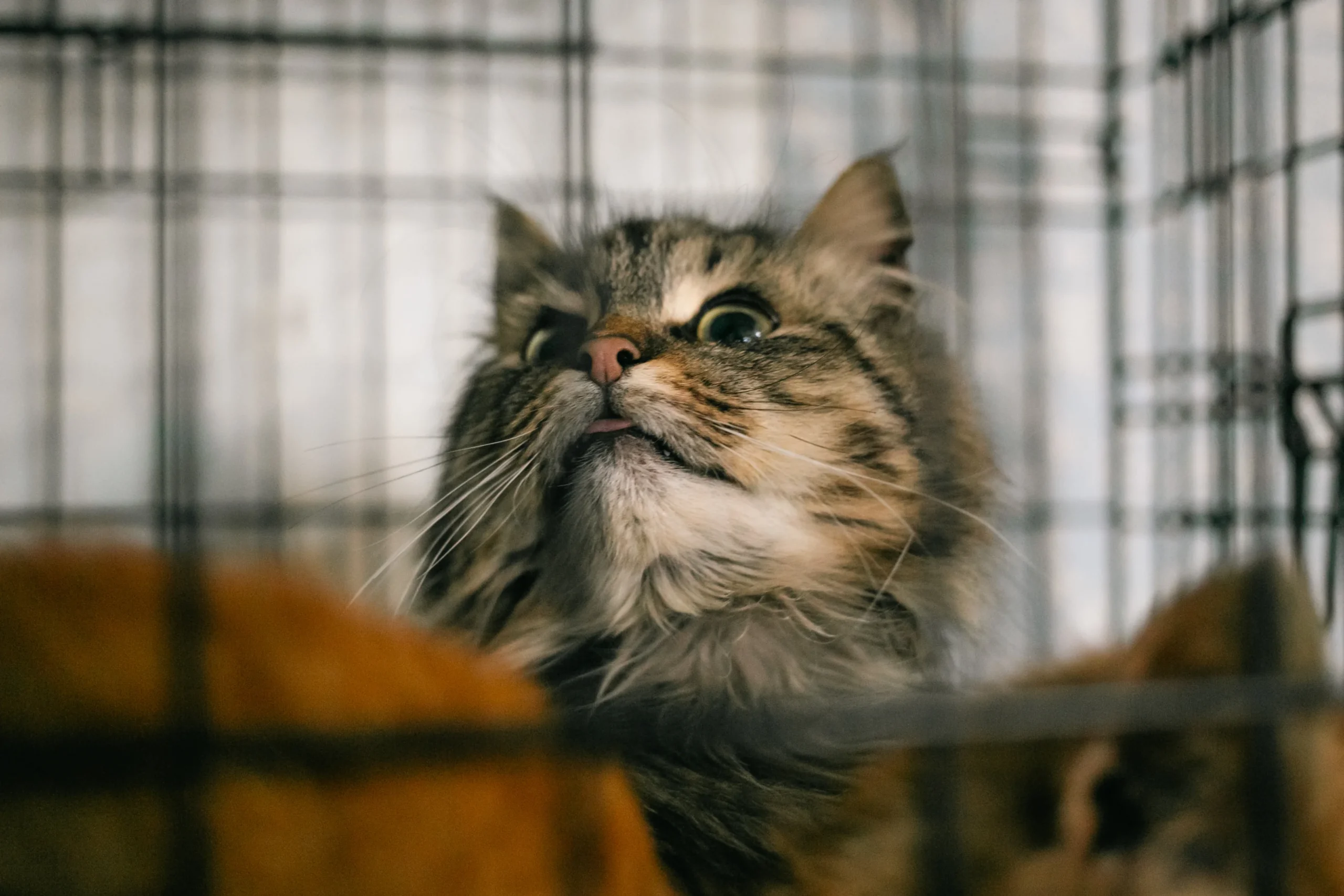
In total, seven animals were taken from the vet mission for further treatment at veterinary clinics — their condition required more than we could do in the field.
UPD. As of March 6, 2026, we are forced to temporarily suspend accepting applications.
As of February 23, applications for veterinary missions in the frontline are open in the chatbot @help_uanimals_bot.
If animals in your community need help and you are ready to become a mission curator, please submit your application.
If you want to support our work, please make a donation on the UAnimals website or pay for a specific veterinary procedure for a homeless animal. Your support enables us to continue helping animals in regions where access to veterinary care is limited or non-existent.
SHARE
about UAnimals on social networks
SUBSCRIBE
to UAnimals news