The British newspaper The Times reported on the work of the UAnimals team amid shelling and explained how rescuing animals helps save human lives
The leading British publication The Times has published a report on the work of the UAnimals evacuation team in the Donetsk region. Journalist Tom Wottling spent a day with our rescuers in Kramatorsk and Sloviansk, documenting how animal rescue becomes a decisive factor in saving the lives of civilians.
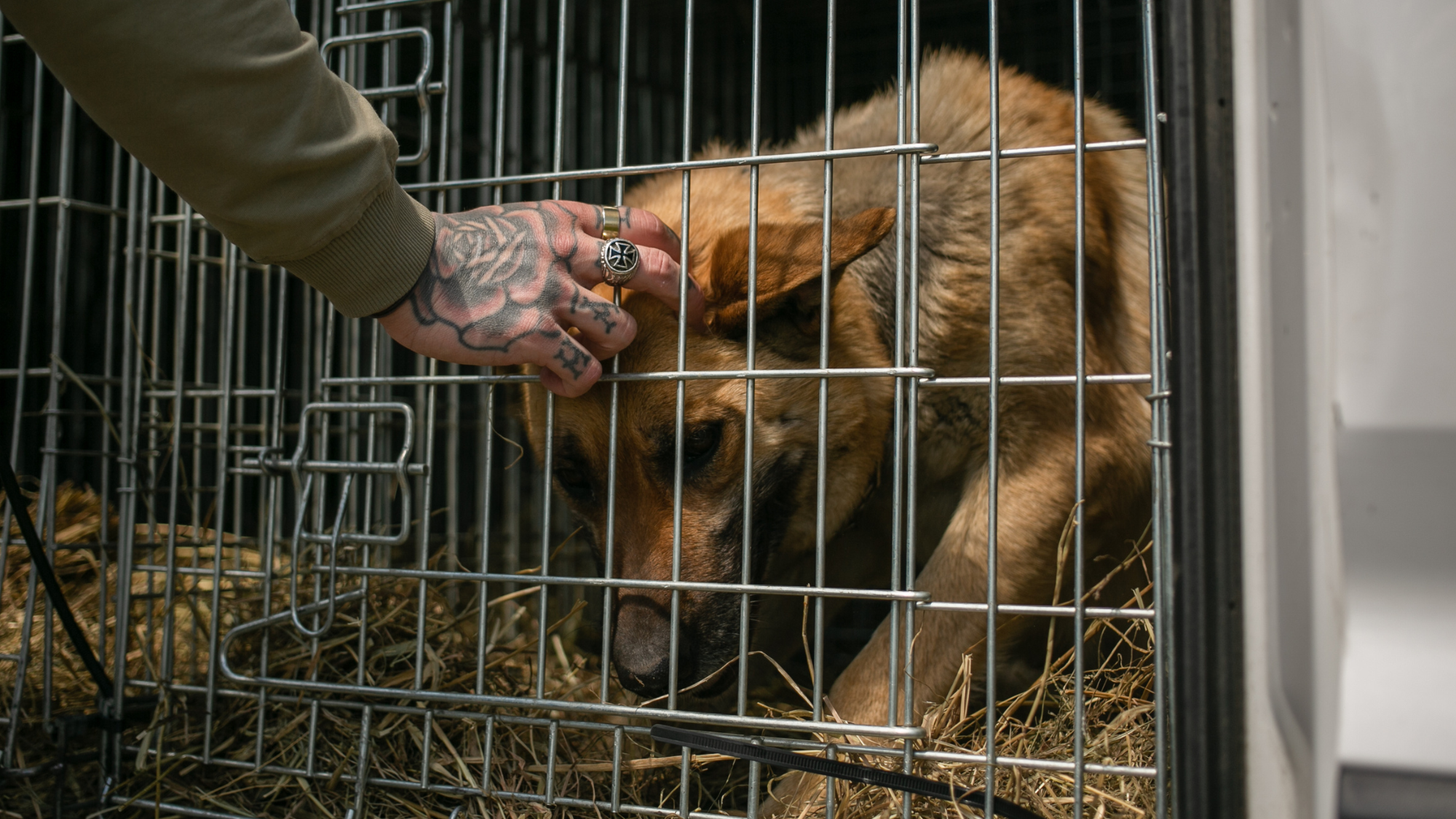
Foreign correspondents highlighted an important statistic: according to UAnimals, about two-thirds of civilians who refuse to evacuate from frontline areas do so because they are unwilling to leave their animals behind. At the same time, at least one in three residents who have endured years of shelling eventually agree to leave after volunteers safely transport their cats or dogs.
“Evacuating animals significantly increases people’s willingness — especially among the elderly and families with children — to agree to leave. In practice, animal protection has become an integral part of broader efforts to save civilian lives,” noted Yulia Ovchinnikova, co-chair of the parliamentary interfactional group “Humane Country,” in a comment to the publication.
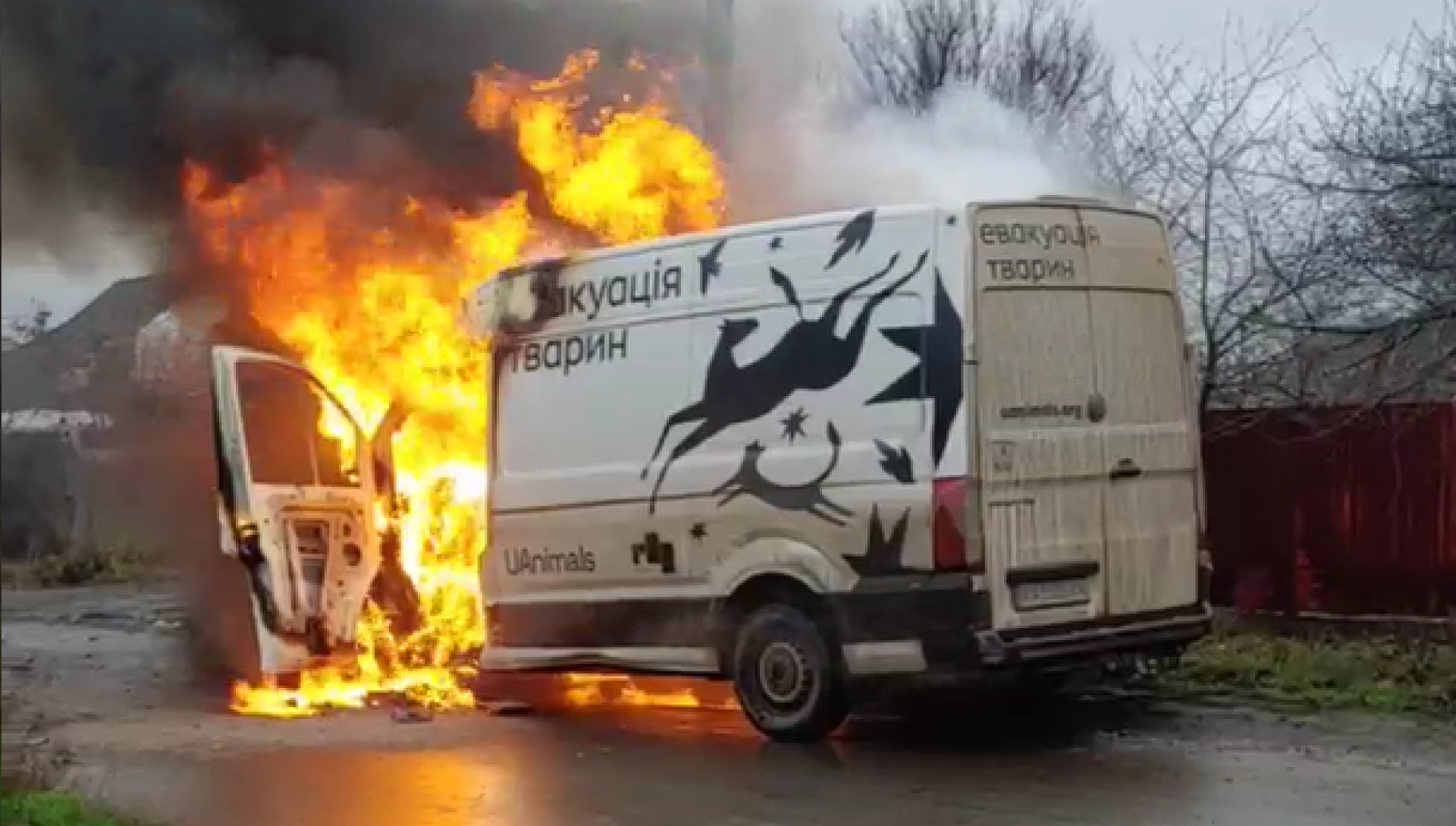
The report details the daily risks faced by the UAnimals evacuation team. The authors recount the complicated story of the evacuation of Olga Zibenko’s animals — a resident of Netishyn (who was temporarily staying in Donetsk Oblast). Her cats and dogs were only successfully evacuated on the fourth attempt. One of the team’s previous trips had to be canceled because a UAnimals vehicle in Druzhkivka was attacked by a russian FPV drone.
During the current mission, documented by journalists, the evacuation vehicle was again targeted by a russian drone, which exploded over the convoy as it was leaving the city. Additionally, volunteers and military personnel had to clear the only road, blocked by remnants of anti-drone netting, while under fire.
The Times notes that the threat in the Donetsk region is rapidly escalating due to the intensification of the russian offensive, and Kramatorsk suffered at least 48 strikes by FPV drones and guided aerial bombs in just one week in May.
The publication also highlights a systemic crisis: currently, the number of animals rescued from frontline areas is ten times greater than the number of available spots in shelters.
UAnimals transports evacuated animals to shelters, veterinary clinics, new owners, or relatives of the owners in safer regions of Ukraine, where they await reunification with their humans.
This is one of the few international reports that portrays the evacuation of animals not as a standalone rescue story, but as a vital component of humanitarian aid during wartime.
Since the start of the full-scale invasion, the UAnimals team has evacuated over 10,000 animals from frontline areas. Every day, our rescuers continue to work in places where it is dangerous for both people and animals to remain.
We thank the journalists at The Times for their attention to this topic and for the opportunity to tell the world about those who cannot ask for help themselves.
The full report in English is available on The Times website.
SHARE
about UAnimals on social networks
SUBSCRIBE
to UAnimals news