
In June, UAnimals helped approximately
6,600 animals

Financial reports for June
In June, UAnimals helped approximately 6,600 animals. We evacuated domestic and farm animals from shelling, treated and fed them, and rebuilt shelters. Every day, our team does everything possible to save as many animals’ lives as possible and minimize the effects of war on them.
We thank everyone who supports UAnimals in various ways – with donations to fundraising projects and monthly subscriptions, partnership projects, participation in the activities of our Volunteer Community, and simply by reposting stories about animals and rescues. Everything we do is made possible thanks to your support.
Below you can see how much we can do thanks to you.
In June, we saved animals’ lives as follows: 👇
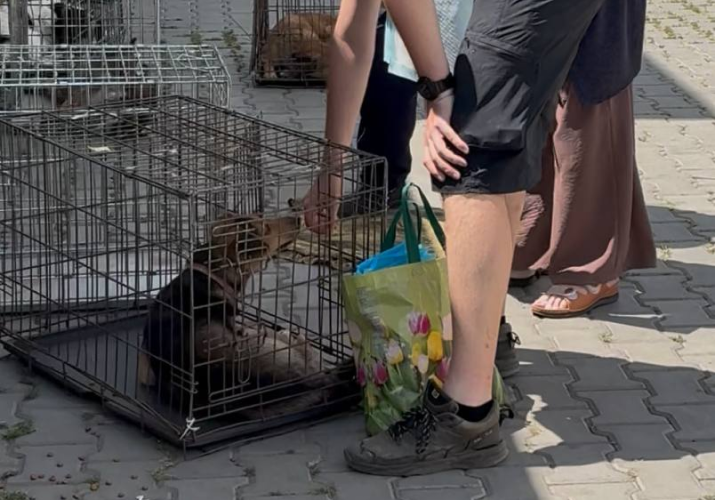
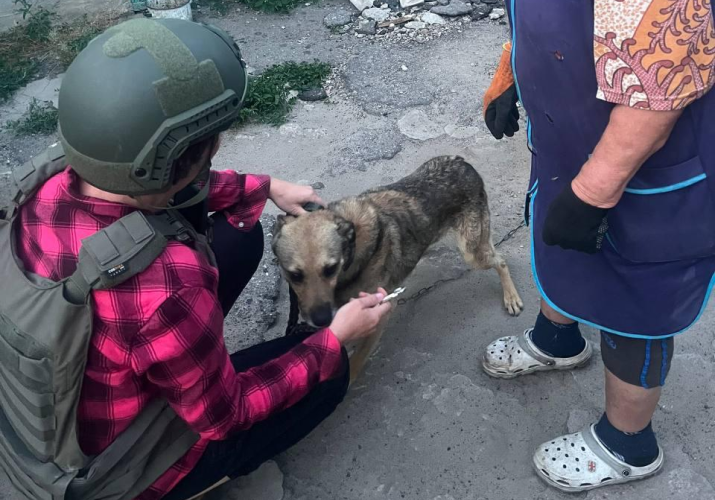
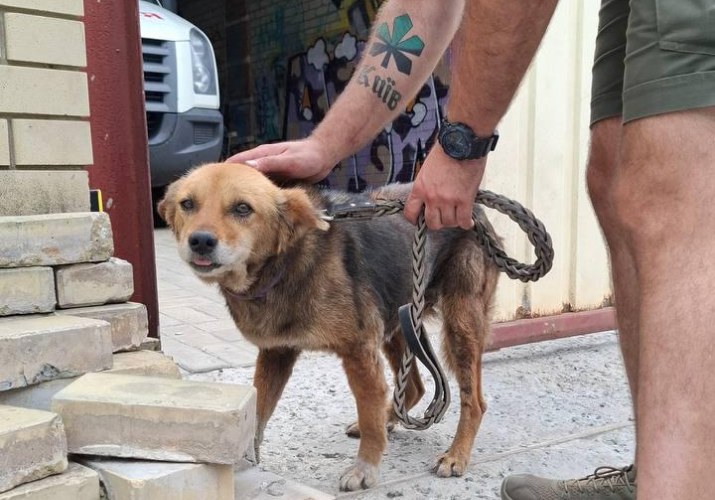
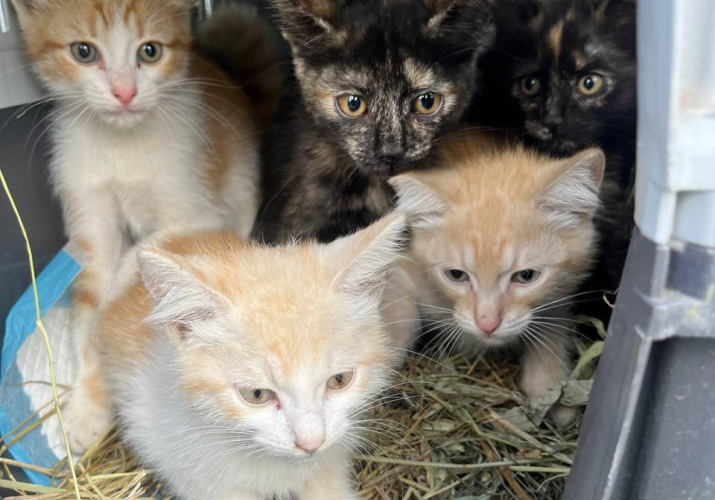
🐱 We evacuated 126 animals from frontline areas. Most of them were cats and kittens, dogs and puppies, but there was also a horse and a goose among the rescued animals.
Animals were evacuated from:
– the Donetsk region: Kucheriv Yar, Zolotyi Kolodiaz, Kostiantynivka, Kramatorsk, Sloviansk, Druzhkivka, Oleksiievo-Druzhkivka, Bilytske;
– the Dnipropetrovsk region: Andriivka, Novopavlivka, Pokrovske;
– the Zaporizhzhia region: Novomykolaivka;
– the Sumy region: Bilopillia, Sumy.
In June, we also transported 49 animals to shelters and families. These are animals whom we had previously evacuated from the Donetsk, Sumy, and Kharkiv regions. After treatment and examination in clinics, they were taken in by shelters or families.
We would like to thank all our partners and volunteers who respond to our requests, evacuate, transport, and take in animals: White Angel of the Sumy and Donetsk regions, Sumy Animal Home, Save Animals, Kseniia Kozeliuk, Olha Zaitseva, Anastasiia Klimniuk, Oksana Bondar, Volodymyr Golubiev, Ihor Tymchyna, Serhii Katsan, Hanna Ponyrko, Olena Mykhailenko, and Victoriia Zhydkova.
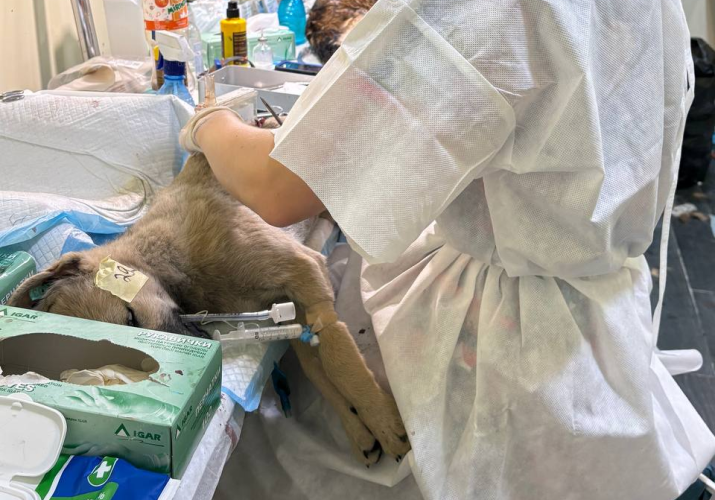
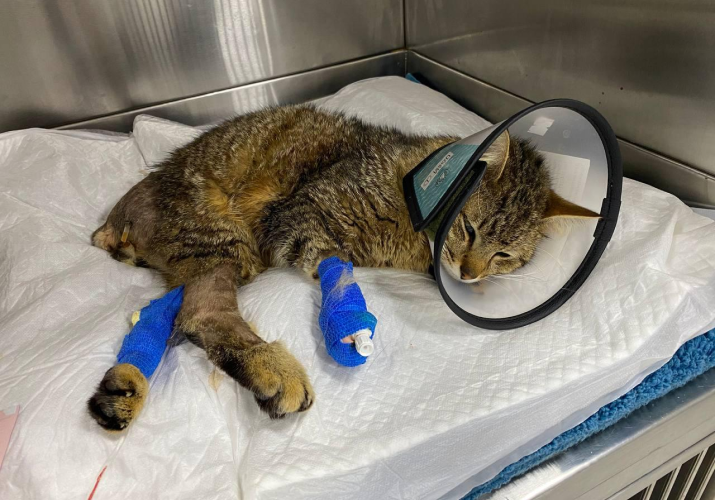
🐓 We treated 1,005 animals and delivered 6,641 kilograms of pet food. We helped animals in various ways: with vaccines, treatments, veterinary drugs, payment for clinic stay, spaying/neutering, surgeries, and other treatment procedures, as well as the purchase of medical equipment.
In June, we also went on a veterinary mission to Olviopil in the Mykolaiv region, where we helped 390 animals.
1. We paid for the treatment of 84 animals who were evacuated during our previous missions to frontline areas. Among them, there were 57 cats and kittens, and 27 dogs and puppies.
Here are the details of the assistance provided to these animals:
1. Clinic stay, ear and eye treatment, leukemia and immunodeficiency tests, vaccination, ectoparasite treatment, spaying, and suture treatment for a cat named Fruffie evacuated from Bilytske (Donetsk region). After all the procedures, Fruffie was taken to Pegasus shelter in the Dnipropetrovsk region.
2. Parasite treatments and vaccinations for 6 puppies evacuated by volunteer Olha Zaitseva from the frontline Preobrazhenka in the Zaporizhzhia region. All the animals were first taken to a veterinary clinic in Dnipro for examination, and then we took them to Zoofamily shelter in the Kirovohrad region.
3. Clinic stay, initial examination and check-up for 13 cats and kittens evacuated from the Donetsk and Dnipropetrovsk regions. After that, the cats were taken to Save the Lives shelter in the Khmelnytskyi region.
4. Initial examination, intravenous catheter insertion, X-rays, medications, and parasite treatment for a dog named Pluto. At our request, he was evacuated from Dovha Balka to Kramatorsk in early June. The dog is currently in the temporary care of Olena Mykhailenko, who noticed Pluto’s paw injury and took him to the clinic.
5. The bill for osteosynthesis of the lower jaw of a dog named Mukhtar, who our team found on the highway near Kostiantynivka during our evacuation trip to the Donetsk region. Mukhtar was hit by a car, the driver did not stop and left the dog alone. When our team found him, he was bleeding profusely. We urgently took Mukhtar to a clinic in Kramatorsk. There, he was given first aid and stabilized. Mukhtar was then transported to a clinic in Dnipro, where he underwent blood tests, ultrasound diagnostics, X-rays, wound treatment, vaccination, and neutering. Now Mukhtar lives in Homeless World rehabilitation center in the Kyiv region.
6. Clinic stay, examination, bathing, leukemia and immunodeficiency tests, vaccination, neutering, and veterinary passports for three cats evacuated from Kherson. After all the veterinary procedures, the animals were taken to Novyi Svit (New World) shelter in Kryvyi Rih.
7. Clinic stay, examination, leukemia and immunodeficiency tests, a blood test, ear and eye treatment for two kittens evacuated from the Zaporizhzhia region. After all the procedures, we took the kittens to Animals in Love shelter in the Kyiv region.
8. Clinic stay and parasite treatment for a dog named Jazz, who was evacuated from Kostiantynivka (Donetsk region) at our request. The dog was taken to a clinic in Dnipro and later transferred to a family in Kyiv.
9. Clinic stay, initial examination, lab and other tests for 3 cats and 7 dogs evacuated from the Sumy region. Now, the animals are in Save the Lives and Forsaken Angel shelters in the Khmelnytskyi region, and Zachyn in the Ivano-Frankivsk region. One dog is still in the clinic.
10. Clinic stay, examination, viral disease testing, parasite treatment, vaccination, and spaying/neutering for 5 dogs and 22 cats evacuated from the Donetsk and Kharkiv regions. All the animals have already been discharged. Some of them were taken in by the families and friends of soldiers who rescued them, some – by their people who had evacuated earlier. Others were taken to shelters.
11. Clinic stay, a blood test, parasite treatment, oral cavity sanitation, vaccination, heartworm, ehrlichiosis, and Lyme disease tests, as well as neutering and suture treatment for a dog named Tuzik, who was evacuated from Kostiantynivka (Donetsk region). He was taken out by Base UA organization during the evacuation of his family. Unfortunately, the people were unable to take the dog with them, so we took Tuzik and transported him to a veterinary clinic. After all the procedures, the dog will be taken under the care of Favorite Animal public organization (Dnipropetrovsk region).
12. The second part of the treatment, namely the clinic stay, blood tests (complete blood count, biochemical blood test, babesiosis test), X-rays, catheterization, parasite treatment, injections, osteosynthesis, and suture treatment for a dog named Lapa, who was evacuated from Sydorove (Donetsk region). The dog had an injured paw, he was rescued by a soldier. The man tried to treat the dog himself, but the injury turned out to be too complicated, so he turned to us and asked us to save the dog. We took Lapa to a clinic and paid for the surgery. The dog is still in the clinic under the supervision of doctors.
13. The first, second, and third stages of treatment of Babochka, a dog evacuated at our request from Dobropillia (Donetsk region) by the Save Animals team. Babochka was found by local residents and taken to a veterinary clinic. There, she was diagnosed with a canine transmissible venereal tumor. The dog was bleeding heavily, and it was impossible to stop the bleeding. Chemotherapy did not help, and the animal was in great pain. After being evacuated, Babochka was taken to a clinic in Dnipro. There, she underwent an ultrasound, X-rays, a complete blood count, a heartworm test, and catheterization. The X-rays revealed neoplasms in the uterus and liver. The tumor was removed, a blood transfusion was performed, and the bleeding was stopped. Now Babochka is under the care of volunteer Vlada Rudenko at a veterinary clinic in Odesa. She was prescribed heart medication, antihistamines, antibiotics, infusion solutions, antiparasitic drugs, vitamins, and painkillers. Babochka’s condition is stable, and she is continuing treatment.
14. Clinic stay, injections, a complete blood count and a biochemical blood test, antiparasitic drugs, and sedatives for Roshen, a cat evacuated from Bilytske (Donetsk region). Roshen is currently waiting for spaying and vaccination, while staying at the clinic.
15. Staying in a viral ward, leukemia and immunodeficiency tests, a blood test, vaccination, neutering for 4 cats evacuated from the Zaporizhzhia region. After all the procedures, the cats were taken to Pegasus shelter in the Dnipropetrovsk region.
16. Clinic stay, clinical examination, echocardiogram, a blood test, antibiotic therapy, vaccination, spaying, and a veterinary passport for Eva, a dog evacuated from the Sumy region. Eva is currently at Save the Lives shelter in the Khmelnytskyi region.
17. Clinic stay, clinical examination, echocardiogram, a blood test, leukemia and immunodeficiency tests, vaccination, and spaying for Katia and Yulia, two cats evacuated from the Sumy region. The cats are currently at Save the Lives shelter in the Khmelnytskyi region.
18. Clinic stay, wound treatment, catheterization, injections, IVs, antibiotics, complete blood count, X-rays, distemper and babesiosis tests, and limb amputation surgery for a dog named Bilka. We evacuated Bilka from Rodynske (Donetsk region) in early spring. She had a paw injury (she couldn’t straighten it), an inguinal hernia, and bloody discharge. Then Bilka was treated, she underwent surgery on her paw, underwent rehabilitation, and was taken to Pegasus shelter. Unfortunately, the situation with her paw worsened again, and it had to be amputated. After the surgery and treatment, the dog will return to Pegasus.
19. Clinic stay, an ultrasound, a biochemical blood test and a complete blood count, injections and surgery (ovariohysterectomy) for a dog named Dina, who soldiers evacuated from Pokrovsk (Donetsk region) at our request. She is currently undergoing rehabilitation at a veterinary clinic in Zaporizhzhia and will then go to Anastasiia Klimniuk’s shelter in the Poltava region.
20. Long-term treatment for 6 kittens who we evacuated during a veterinary mission in the Kharkiv region and transferred to Animals in Love shelter in the Kyiv region. The next day, shelter staff noticed that the animals were weak and urgently took them to a veterinary clinic. There, they were placed in a viral ward. UAnimals paid for two stages of treatment of the kittens. The first one includes their clinic stay, viral disease testing, blood tests (a complete blood count and a biochemical blood test), injections, infusion therapy, and catheterization. The tests showed that the kittens had panleukopenia and giardiasis. During treatment, the kittens did not get better, so they were given blood transfusions, resuscitation, and round-the-clock heating. This was the second stage of treatment. The fight for the kittens’ lives lasted a week and a half, and the doctors did everything possible. But, unfortunately, it was impossible to save them.
21. We paid for the purchase of veterinary drugs for 700 animals affected by shelling, who now live in Homeless World shelter in the Kyiv region.
22. We purchased and delivered wet food for 50 kittens to Gostomel Shelter in the Kyiv region.
23. We purchased and delivered parasite treatment products for 90 cats and dogs from Kyiv Tails shelter.
24. We purchased and delivered 30 kilograms of wet food and kitten treatment products to Dobrokit shelter in Cherkasy. We helped 30 animals.
2. We went on the Vet Mission to Olviopil in the Mykolaiv region. We helped 390 animals: we treated, vaccinated, spayed/neutered, treated them for parasites, and microchipped them, as well as distributed 665 kilograms of food for cats and dogs.
3. We paid the second part of the bills for treatment of animals from Kot Begemot shelter in Kherson — their temporary shelter was destroyed by a russian rocket in May. In June, we paid UAH 228,482 (≈$5,446) for surgeries, lab tests, treatment, and therapy for 6 animals. The treatment continues.
4. We paid for the treatment of 16 animals cared for by soldiers. This was made possible thanks to the project Treating Animals Cared for by Soldiers 4.0.
5. We paid for spaying/neutering, vaccination, and microchipping of 70 animals in Kupiansk in the Kharkiv region.
6. We paid UAH 133,283 (≈$3,177) for temporary shelters, medications, and lab tests for 23 dogs rescued from a landfill near Boryspil (Kyiv region).
7. We paid for part of the treatment of a cat named Chernushka from Preobrazhenka in the Zaporizhzhia region. Specifically, we paid for her clinic stay, injections, and suture removal. The cat lived with soldiers and suffered a concussion and a serious paw injury during the shelling. At the end of June, Chernushka is still in the hospital.
8. We paid for part of the treatment of a dog named Bilyi. Specifically, we paid for his clinic stay, injections, X-rays, vaccination, and bandage change. The dog was wounded by an enemy drone in the village of Malokaterynivka in the Zaporizhzhia region. He is currently continuing his treatment.
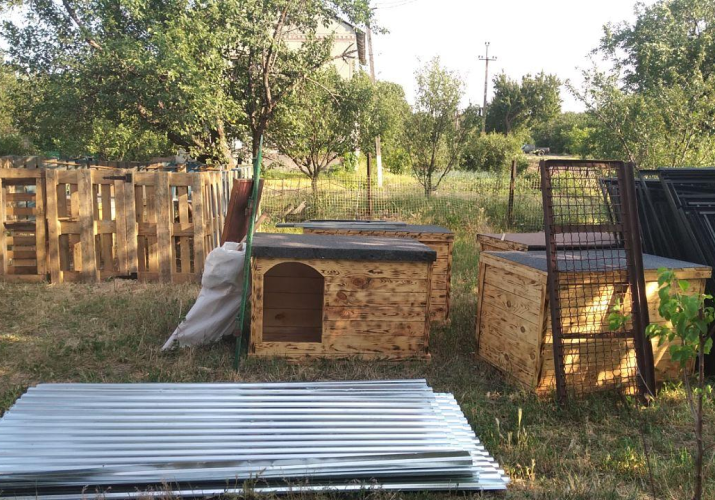
🏗 We supported 8 shelters for domestic, farm, and wild animals. Most of this aid was related to the reconstruction and development of shelters: we supported the construction of a house for dogs with spinal injuries and animals with disabilities, purchased enclosures and quarantine boxes, and paid for some building materials and construction work. A total of UAH 2,725,051 (≈$64,959) was spent on aid.
1.We transferred UAH 1,485,000 (≈$35,399) to Pegasus shelter in the Dnipropetrovsk region for the construction of a house for dogs with spinal injuries and animals with disabilities evacuated from the combat zone. The house is designed for 35 animals, and the construction is scheduled to be completed in August.
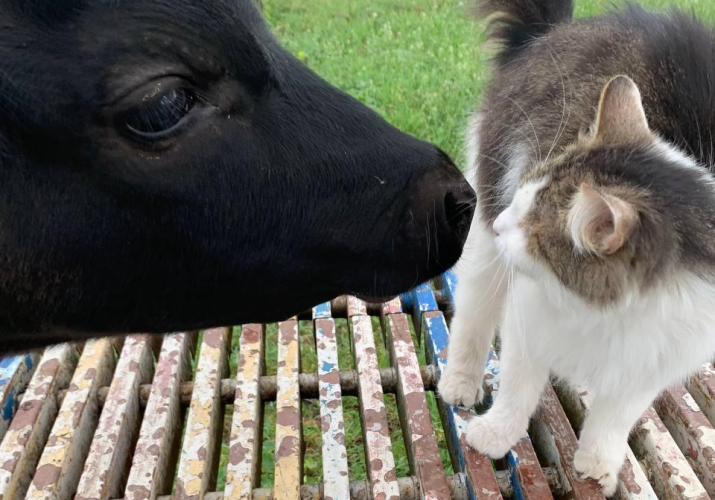
2. We transferred UAH 140,000 (≈$3,337) to Zdrave Zhyttia shelter in the Vinnytsia region, which cares for domestic animals rescued from the war (currently, 5 cows and 5 bulls live there). The shelter will use this money to purchase hay, expand the pens for adult bulls, and fence off the area for grazing animals. We were able to help the shelter thanks to your donations to this fundraiser.
3. We transferred UAH 100,000 (≈$2,383) to pay for electricity to Natalia Popova’s Wild Animals Rescue Center in the Kyiv region.
4. We transferred UAH 100,000 (≈$2,383) to 12 Vartovykh Charitable Foundation to help animals affected by russian missiles in Kramatorsk in the Donetsk region.
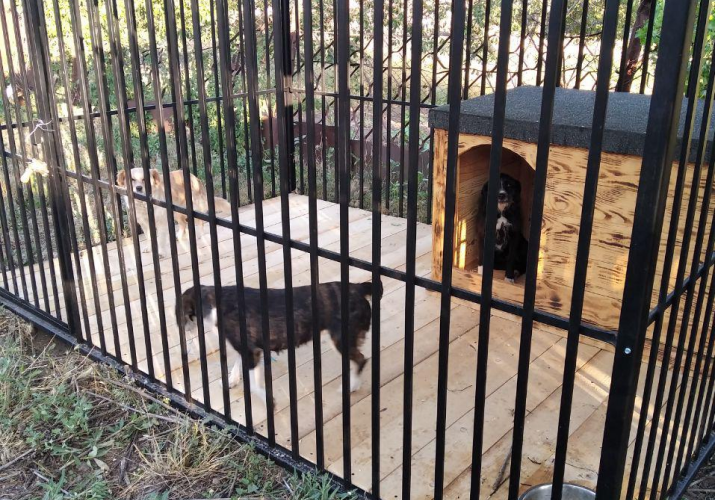
5. We transferred UAH 350,000 (≈$8,343) to Homeless World shelter for the construction of 18 enclosures for dogs undergoing rehabilitation and adaptation. This helped 100 dogs.
6. We paid UAH 17,560 (≈$418) for the manufacture and delivery of flooring for 8 enclosures for Dream in the Palms shelter. This helped 24 dogs.
7. We transferred UAH 246,500 (≈$5,876) to Animal House Rescue shelter for the construction of housing for 15 dogs. You helped us raise this money through donations to the fundraiser.
8. We paid UAH 285,991 (≈$6,817) for the manufacture and delivery of quarantine boxes, as well as for the purchase and delivery of medicines for four shelters:
– Animals in Love in the Kyiv region (35 cats and 2 puppies);
– Cathouse in the Khmelnytskyi region (150 cats and 8 dogs);
– Kitskin Dim Zaporizhzhia (650 cats and 120 dogs);
– Charitable Foundation Phoenix of Ukraine in the Kyiv region (93 cats and 32 dogs)
Thanks to your donations to this fundraiser, we were able to help 1,000 animals.
👫 Our community of volunteers continues to help animals. In June, 9 people joined these activities. They distributed 1,574 kilograms of food and 504 portions of antiparasitic treatments in frontline areas. In total, we managed to help 850 animals.
💼 We enlisted the support of businesses that not only help save animals but also raise important animal welfare issues. We were also supported by the European charitable foundations NOAH, LAV, and Djurskyddet Sverige.
1. The UPG gas station chain, which has been supporting our evacuation missions with fuel since the end of April, provided 2,500 liters of fuel in June.
2. The Ukrainian cosmetics brand Lamel donated UAH 100,000 (≈$2,383). This money was raised during a charity campaign, in which a percentage of sales of certain vegan products went to animal rescue.
3. Josera feed manufacturer donated 4,145 kilograms of food for animals in shelters, as well as for those who turn to UAnimals for food within the framework of existing aid projects.
4. The Ukrainian coffee producer Minelly donated UAH 29,862 (≈$712) to UAnimals. The money will be spent on the evacuation of animals from frontline areas.
5. The Ukrainian eco-friendly household chemicals brand DeLaMark donated 540 kilograms of cleaning products for the amount of UAH 121,986 (≈$2,908) to shelters.
6. Employees of the Ukrainian IT company EPAM held a Bring Your Dog to Work Day event at their offices in six cities and raised UAH 10,000 (≈$238). The money was donated to UAnimals for animal rescue.
7. The Norwegian charity foundation NOAH donated €4,335 to UAnimals. We use this money to purchase medications to treat stray animals for parasites in frontline areas.
8. The Italian animal welfare fund LAV donated €5,000 for the treatment of seriously ill animals.
9. The Swedish animal welfare fund Djurskyddet Sverige donated €4,175 for the treatment of animals.
🧑💼 Our lawyers continue to work actively to ensure that humane treatment of animals in Ukraine becomes the norm. They advise witnesses of animal cruelty, file police reports, monitor court cases and participate in hearings themselves, as well as do everything possible to ensure that Ukrainian laws and legal norms work to protect animals.
1. In June, 62 people contacted UAnimals lawyers for advice. 60 of them have already received legal assistance, and two requests are still pending. We received the most requests from Kyiv and the region, Kharkiv, and Lviv. The most common topics of the requests were inadequate conditions for keeping wild animals and general issues of animal treatment.
2. Our lawyers filed 5 police reports regarding administrative and criminal offenses against animals:
– On June 10, our lawyers filed a report with the police regarding an administrative offense in Odesa: a man there was offering passersby to take photos with a crow for money. Photo services with wild animals constitute cruel treatment of animals (Part 12 of Article 25 of the Law “On the Protection of Animals from Cruel Treatment”). The offender may be fined UAH 3,400-8,500 (≈$80-202) and have the animal confiscated. We are awaiting a response to the report from the police in the near future.
– On June 24, UAnimals lawyers filed a report with the police regarding the cruel treatment of a parrot in a Kharkiv restaurant, as well as officially contacted the management of the establishment and warned them of responsibility for their actions and keeping the animal in inadequate conditions. The restaurant keeps a parrot in a cage and, according to one of the visitors, the staff sprays the parrot with water when he makes loud noises.
We are waiting for the police to respond to our complaint. Our lawyers see signs of violation of Article 89 (“Cruel Treatment of Animals”) of the Code of Ukraine on Administrative Offences. The police must check the conditions in which the parrot is kept, establish who the owner of the animal is, and draw up a report on the administrative offense.
– On June 26, our lawyers filed a report about a crime that happened in Kremenets in the Ternopil region. A dog was shot dead at a playground near residential buildings. According to a local animal rights volunteer, the dog was killed by one of three men who were drinking alcohol on a bench at the playground. The police seized the man’s weapon and opened a criminal case under Part 1 of Article 299 of the Criminal Code of Ukraine (“Cruel Treatment of Animals”). The offender may face up to three years in prison.
– On June 26, our lawyers also filed a report of an administrative offense in Kyiv. According to a local resident, her adult son beats her and his sister with a disability and treats their dog cruelly. The police must verify the truthfulness of these testimonies: interview witnesses and check the conditions in which the dog is kept. If the police see traces of blood or bodily harm, they must open a criminal case. Currently, our lawyers are awaiting a response to the report.
– On June 28, our lawyers filed a report with the police regarding the improper keeping of wild animals – Arctic wolves – in Valley of the Wolves eco-park in Synevyrska Polyana in the Zakarpattia region. The non-profit organization Every Animal published a post stating that the wolves in the park were kept in cramped cages with mold and stench. The animals do not have normal food bowls and eat from pots.
The situation with Valley of the Wolves has not been resolved or years. UAnimals has repeatedly appealed to the authorities to check the conditions in which animals are kept in the park. The answer is always the same: there are no violations. Now we demand again that the State Environmental Inspectorate and the police check the conditions in which animals are kept in the eco-park and bring those responsible to justice. A request to this effect has also been submitted by members of the inter-factional association Humane Country.
We are monitoring all the cases where our lawyers are filing reports with the police or other authorities. We will provide updates on each case on our social media and in our reports.
3. Our legal department also received responses to the reports filed earlier:
– In May, we appealed to the police and the Main Directorate of the State Service of Ukraine on Food Safety and Consumer Protection with a request to check the compliance with veterinary and sanitary standards at PIGGI CAFÉ catering establishment in Kyiv. Mini pigs are kept there in allegedly inadequate conditions: they have no space for rest, they are constantly exposed to noise and interaction with visitors.
In June, we received a response from the National Police: during the inspection, police officers conducted a preventive conversation with the administrator of the establishment and warned him about the responsibility for improper animal care.
We are convinced that businesses using animals should not exist, and animals are not created to make money on them. This is exploitation of animals, because they do not live in their natural environment and are forced to constantly interact with people. We urge you not to visit such places and not to support businesses that exploit animals.
– On June 16, the Holosiivskyi District Court of Kyiv considered a case of cruel treatment of a toy terrier dog. At the end of 2024, a video went viral showing a man abusing a dog. This video was filmed by the man’s daughter. UAnimals and the Kyiv animal rights volunteer Snizhana Buhrik filed a report of cruelty. The animal was seized and taken away by the animal rights volunteer. Criminal proceedings were initiated against the man under Part 2 of Article 299 of the Criminal Code (“Cruel Treatment of Animals in the Presence of a Minor”). This article provides for imprisonment for a term of 3 to 5 years.
At the hearing on June 16, the prosecutor requested the judge’s recusal, citing possible bias. The court denied the request. The next hearing is scheduled for September 17.
– We received a response to the report of an administrative offense in Dnipro: an unknown man beat his dog with a leash while walking her. The local police reported that they had not yet been able to identify the man.
4. Our lawyers are monitoring the cases with open proceedings:
– The trial in the case of the brutal killing of a dog in the Rivne region is ongoing. On April 15, a video appeared on social media showing a man shooting a dog in the head while holding her on a leash. The police opened a criminal case on illegal handling of weapons (Part 1 of Article 263) and cruelty to animals (Part 3 of Article 299). They also identified one of the suspects as a 42-year-old man who is currently in a pre-trial detention center for the previous crimes — attempted murder and kidnapping.
On June 23, the court considered a motion for a preventive measure in the form of holding the suspect in custody. The motion was denied, but the prosecutor filed an appeal. The date of the next hearing is not yet known. The man remains in the pre-trial detention center on another case.
– The suspect in the case of the rape of a dog in the village of Maiory in the Odesa region was served a notice of suspicion under Part 3 of Article 299 (“Committing a crime with particular cruelty or against two or more animals, or repeatedly, or by a group of persons, or committed by active means, or violent acts against an animal aimed at satisfying sexual desire”) and Part 1 of Article 296 (“Hooliganism, that is, a gross violation of public order accompanied by defiance or cynicism”). These articles provide for punishment of 5 to 8 years of imprisonment and a fine or restriction of liberty for a term up to 5 years, respectively.
The court imposed a preventive measure in the form of detention on the suspect. The investigation is ongoing. The dog is under veterinary supervision, and a forensic veterinary examination will be conducted in the near future.
5. On June 6, 2025, the Zhytomyr District Administrative Court issued a ruling completely rejecting UAnimals’ lawsuit seeking to declare the activities of the Zviropolis petting zoo network illegal. Our lawyers are preparing an appeal.
As a reminder, in September 2024, UAnimals filed a lawsuit to declare the activities of the Zviropolis petting zoo illegal and to confiscate wild animals from the zoo.
The zoo operates without the permits required by law, and the animals are kept there in inadequate conditions (this is the violation of Part 1 and Part 2 of Article 8 of the Law of Ukraine “On the Protection of Animals from Cruelty”). Moreover, Zviropolis violates Part 11 of Article 25 of the same law, which prohibits photo services with animals, except in zoos, circuses, and dolphinariums (since a petting zoo is not a zoo within the meaning of current legislation).
In April 2025, the court requested evidence from the State Environmental Inspectorate regarding its inspection of Zviropolis, but the State Environmental Inspectorate failed to provide them. The court fined the environmental inspectorate UAH 4,542 (≈$108).
In May, we received a court order to the Minister of Environmental Protection and Natural Resources requesting a response to the State Environmental Inspectorate’s failure to fulfill its duties. The Environmental Inspectorate responded that it had previously provided all the evidence of the inspection of Zviropolis, thereby confirming that it did not actually have the evidence requested by the court.
We consider the dismissal of the lawsuit to be unfair. Moreover, this court decision sets a dangerous precedent, allowing Zviropolis to continue its activities, which have all the signs of being illegal.
6. We continue our regulatory activities. In particular:
– We submitted a proposal to improve the nutrition of service dogs to the Ministry of Internal Affairs, the Ministry of Defense, and the Cabinet of Ministers. We propose adding more nutrients and vitamins to the dogs’ diet. The fact is that the current approved rules for feeding service dogs do not have any requirements for feed, so animals are often fed low-quality food. This leads to health problems.
A military dog handler approached UAnimals with this problem. He provided a scientific conclusion from Podillia State University on what a complete and balanced diet for service dogs should be, as well as on the health consequences for dogs that may arise from eating poor-quality food. Based on this conclusion, we developed a proposal.
This is the second time that UAnimals has submitted this proposal to the ministries and the Cabinet of Ministers. We did not receive a response to our first appeal. According to the law, a response must be received within 30 days.
– We analyzed the European Union’s draft regulation on the welfare and traceability of dogs and cats. It provides for the mandatory registration of pets, as well as control over their sale on online platforms. If the draft is adopted in the European Union, it can be used to advocate for changes to Ukrainian legislation.
– Thanks to our appeal, the Verkhovna Rada will consider draft law No. 11328. It prohibits surgical operations to change the appearance of domestic animals, the use of animals in advertising, and more. We expect the draft law to be considered at one of the upcoming plenary sessions of the Verkhovna Rada.
– We have completed our analysis of Ukrainian and European Union legislation on the protection of wild animals. We conducted this analysis in order to align Ukrainian legislation with European standards. We have prepared a final conclusion, in which we identified the following issues: the absence of a permit system for keeping wild animals in Ukraine; ineffective protection of red-listed animals and their unlawful exploitation; low level of responsibility for illegal actions against animals and the environment; smuggling of wild and exotic animals.
In our conclusion, we propose to officially approve a list of animals that may be kept by private individuals. Such lists of animals exist in the Netherlands, Luxembourg, Belgium, Malta, and Italy. We also propose introducing a system of licensing and permits for keeping animals on this list, increasing the level of responsibility for illegal actions against animals and the environment, and prohibiting any use of red-listed animals (except as necessary to increase their population).
We will submit our conclusion to the Ministry of Environmental Protection and Natural Resources of Ukraine to jointly prepare draft laws that will take these changes into account.
Friends, thank you for saving animals with us! Your support is invaluable!
SHARE
about UAnimals on social networks
SUBSCRIBE
to UAnimals news


