


 31.10.2024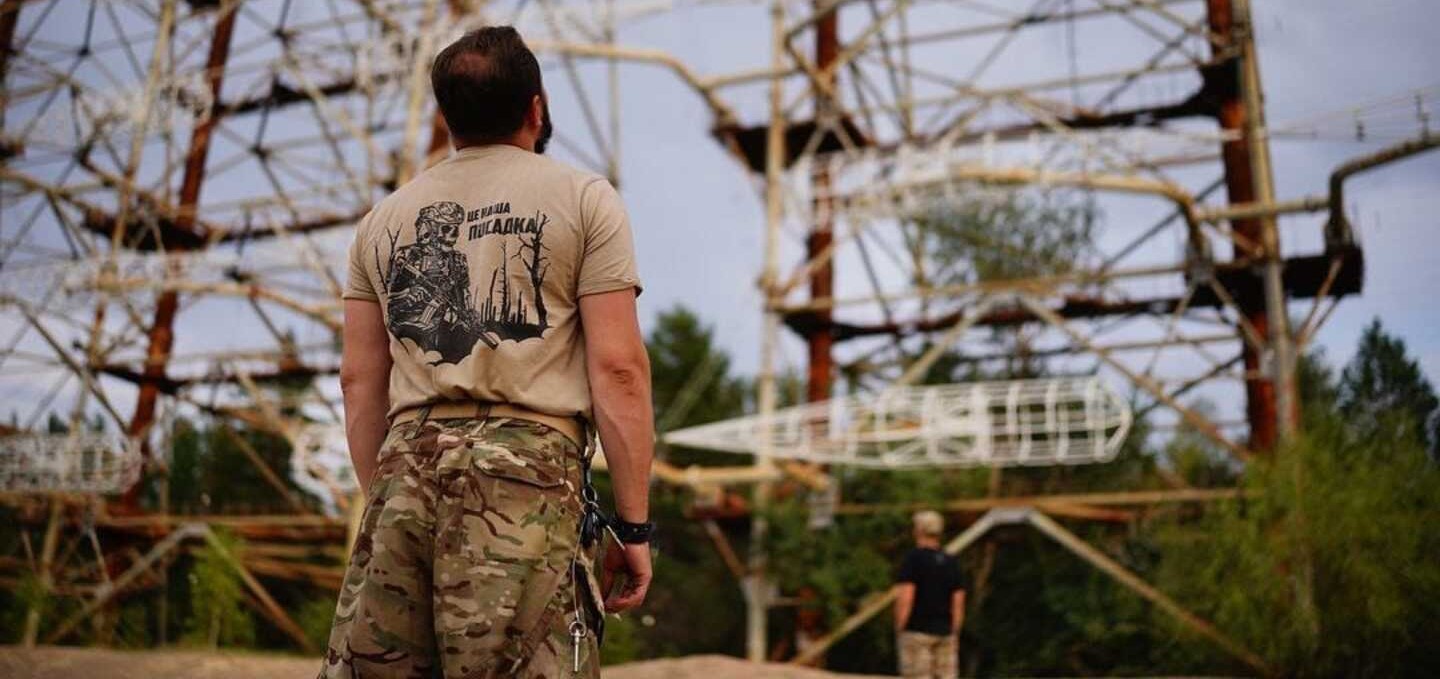
Giant mutant rats and two-headed dogs — the legends surrounding Chornobyl are countless. Add to that the eerie vibe of deserted, desolate lands, and it’s no wonder tourists from around the world have flocked here, particularly fans of the S.T.A.L.K.E.R. video game series and viewers of HBO’s miniseries.
But Chornobyl isn’t about romance; it’s about tragedy. This land suffered deeply under Soviet rule in the 1980s, and now, since 2022, it faces similar harm from its successor, russia. On the very first day of russia’s full-scale invasion of Ukraine, their troops entered the Exclusion Zone, occupying it and the Chornobyl Radiation and Ecological Biosphere Reserve. They dug trenches in the Red Forest, raising radioactive dust with their heavy equipment.
Now, after liberation, Chornobyl is also a militarized zone, as Ukraine’s army works to prevent the occupation from happening again. At the same time, it remains a nature reserve. The head of scientific research at the Chornobyl Reserve and the researcher who authored the book The Terrible, The Beautiful and The Ugly in Chornobyl details the transformation of local nature from the post-disaster era to the wartime period.
After the Disaster, or the Natural Stages of Acceptance
“When the accident occurred at the Chornobyl Nuclear Power Plant in 1986, specialists and military personnel — the so-called liquidators — filled the 30-kilometer zone around it,” says Denys Vyshnevskyi, who has led the Chornobyl Reserve’s scientific department for five years.
He adds that in the first days, efforts focused on reducing radioactive emissions from the damaged reactor and minimizing environmental consequences.
“Ukrainian zoologists and botanists who began studying the Zone after the disaster developed a timeline of the ecological consequences of the catastrophe. They identified three stages, which we now refer to as shock, reset, and stabilization,” Vyshnevskyi explains.
Shock
The first stage, which lasted a few months, saw the most intense radioactive impact on the environment.
“During this period, within a 10-square-kilometer forested area around the station — which bore the brunt of radioactive dust emissions following the reactor explosion — the pine trees began to die. Pine is nearly as sensitive to radiation as humans. The needles lost their chlorophyll and turned a rusty red color. This became the Red Forest,” says the scientist.
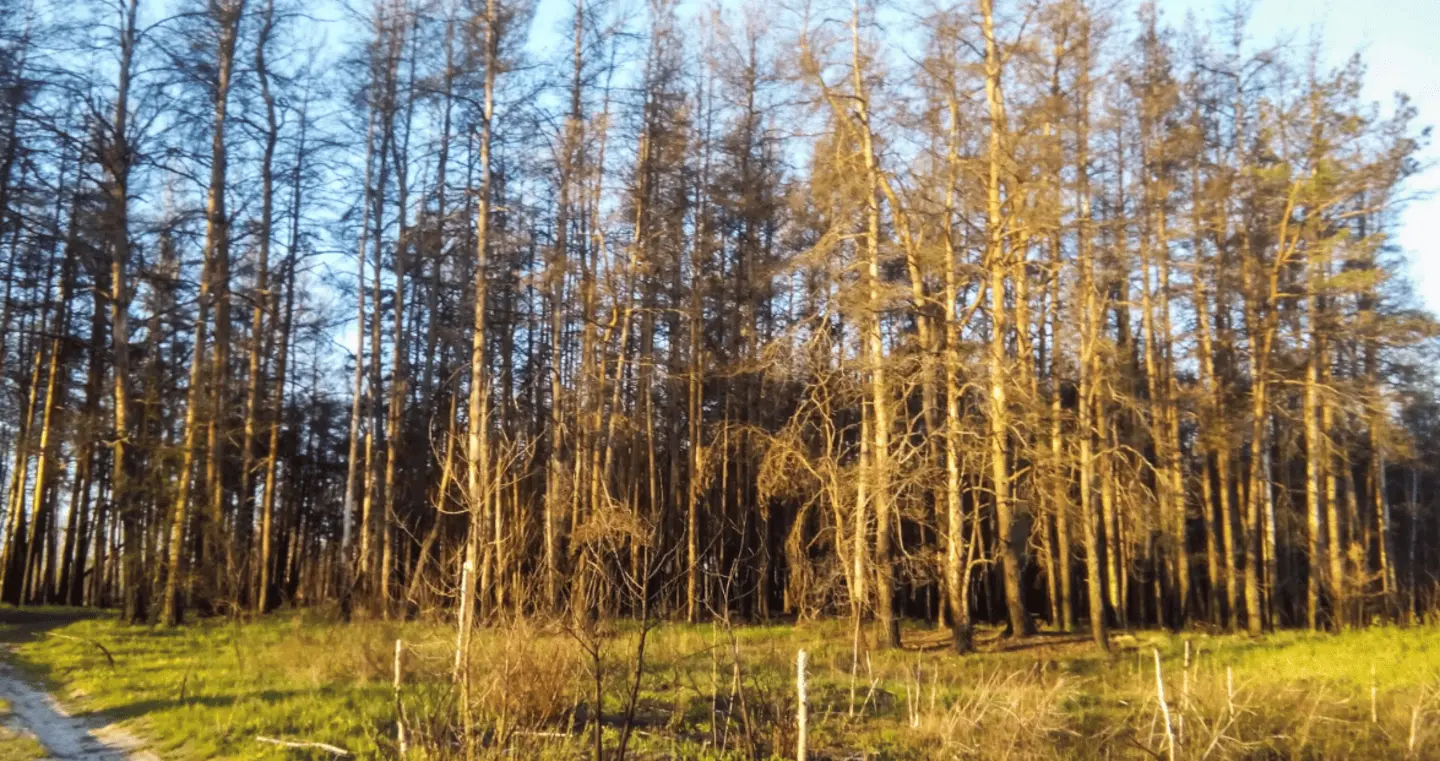
Red Forest. Source: #FINDWAY
Reset
Then came the reset phase, which began in the latter half of 1986 and lasted until 1991. Vyshnevskyi describes it as follows: “Certain animals left Chornobyl, typically those dependent on human presence, such as the common pigeon and the house mouse. Some livestock animals perished due to being abandoned. Wild species moved in, replacing them, since they now had more space and less competition. This led to a gradual revival of typical Polissia [natural geographic region] wildlife.”
In some cases, domestic animals turned feral, a phenomenon still observable today. “A unique ecological experiment has unfolded in Lubianka, a village near the former town of Poliske. There, a man who kept cattle passed away, and his cows have now roamed freely for five years, living like wild aurochs along the river’s floodplain,” Vyshnevskyi shares.
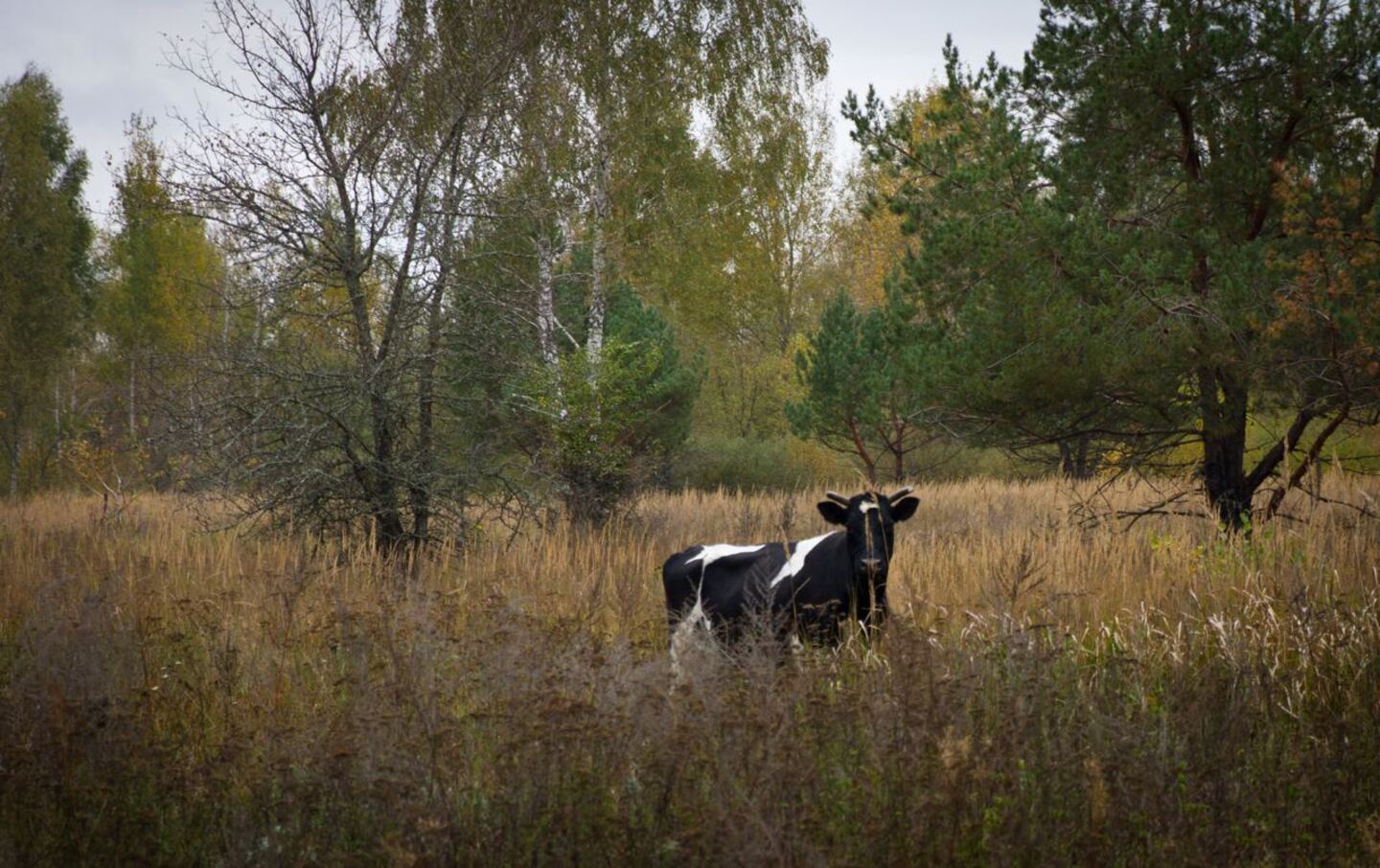
Feral cow, 2018. Photo by Denys Vyshnevskyi
Stabilization
By 1991, Chornobyl’s environment had reached a stage of stabilization and gradual recovery, where changes began to follow natural processes again. Vyshnevskyi notes that since then, the Zone’s ecosystem has started to resemble Polissia’s typical landscape.
Radiobiologist Olena Pareniuk recalls that around 2010, the Chornobyl Reserve experienced a surge in wild boar populations. “At that time, protection against them was installed. The animals would break through to the Zone and gnaw everything around them. And then, due to a plague, the number of wild boars decreased dramatically. For some time there were no wolves in the Zone, and then they appeared. It was incredible to see how nature changes and regulates itself.”
However, making conclusive scientific conclusions about how nature has adapted or why remains premature. Radiobiologist Kateryna Shavanova emphasizes that three decades of research are insufficient; at least another thirty years are needed.
In reality, long-term studies have been limited. Pareniuk notes that despite inspirational discussions about Chornobyl being an open-air laboratory, consistent funding, essential for any kind of research, has always been lacking for scientists studying the area.
“Studying wildlife, and especially evolutionary changes in wildlife, requires an experiment. Not a three-day laboratory experiment but an experiment throughout the entire life cycle. No one has ever conducted such research [there] because funding is only available now and then. Such things, however, require consistency. Therefore, unfortunately, no one can say with scientific accuracy how radiation affected the fauna of the Zone. We can only conclude that the animals have adapted,” explains radiobiologist Kateryna Shavanova, though she cautions that even this observation is not scientifically definitive.

In the absence of rigorous science, pseudoscience often takes hold. It plays into myths and rumors, abundant fantasies born of fear and ignorance.
Radiobiologist Kateryna Shavanova says that there are some unscrupulous scientists who have a fairly high citation index. However, the experiments of these scientists from different countries raise many questions: “They study, for example, two pairs of animals but make large-scale and ambitious conclusions. In fact, it’s freak research, which is then used to build conspiracy theories.”
The researcher also adds that in Chornobyl studies, it is crucial to factor in not just radiation but also climate change.
“Yes, we can observe differences between animals in the Chornobyl Zone and those outside it. But we need to understand where these differences come from — whether they’re due to radiation or other environmental factors,” she explains.
Olena Pareniuk emphasizes that it is also essential to accept the fact that nature does not always adapt. When animals moved, they were exposed to radiation, and the next generations could no longer be viable. In this case, we will not see adaptation: nature simply wiped someone out.
Chornobyl and War
“Sometimes I want to lament how the war affected Chornobyl. To lament the mining, the fact that the reserve suffered through the fighting… But then I remember how the chalk mountain landscapes in the east are being demolished, and I realize that complaining doesn’t seem ethical,” says Denys Vyshnevskyi.
He explains that although hostilities did harm nature, they did not destroy it. The full extent of the damage is still being assessed. Over the 36 days of occupation, russian forces looted approximately two million hryvnias’ worth of equipment, stole vehicles, and damaged facilities.
Estimating environmental damage from landmines, unexploded munitions, and forest fires is more challenging. In a report on the condition of the Chornobyl Reserve after the beginning of the full-scale invasion, its employees said that russian troops were quite active in the air over the protected area. The noise from planes and helicopters causes stress to wild animals. For example, it was reported that a nilgai antelope died in the Askania Nova reserve as a result of the invaders’ flights over the reserve, causing the exotic animal to crash into the fence of the enclosure.
russian military vehicles also traversed the reserve, and Chornobyl Nuclear Power Plant staff reported russian tanks moving through the Red Forest. Likely due to this, on February 24, 2022, Ukraine’s State Nuclear Regulatory Inspectorate detected a spike in gamma radiation near the plant.
Thus, since the liberation, Chornobyl has become a bizarre fusion of the military and the pristine. Where once there was an industrial-pristine mix, a third aspect has been added. “We visited Chornobyl in May of this year. The area is now well-prepared for defense — trenches, dugouts, mines… On the one hand, that is not what a reserve should be like. On the other hand, because of the strong defenses, the russians will not be able to break through from this direction again,” says Olena Pareniuk.
Still, researchers emphasize the importance of preserving Chornobyl as a conservation area.
“Polissia no longer exists as it once was. The swamps are drying up — climate change is doing its job. At the same time, however, swamps are an important factor that slows down climate change. Chornobyl is the area that is most strongly reminiscent of the authentic Polissia,” Kateryna Shavanova explains.
Moreover, the swamps also hinder enemy movement. Thus, restoring wetlands can enhance the defensive properties of the protected landscape in an environmentally friendly way. At least in this way, the war could have a positive impact on Chornobyl. Currently, it only causes destruction, hinders the development of the reserve, and prevents it from fulfilling its educational and research functions.
Denys Vyshnevskyi says that the primary goal of the Chornobyl Reserve until 2006 was to overcome the consequences of the disaster. Then came the so-called empty era. Only in 2016, under the leadership of Vitalii Petruk, Director of the State Agency of Ukraine on Exclusion Zone Management, a new concept was proposed for the development of the reserve: not overcoming, but using the territory. In particular, the Exclusion Zone was to become a research site and a place for testing radiation protection technologies.
All of this is about safety, and in this concept, the workers of the reserve identified the development of safety as the main task of the Zone. Back in 2016, they had no idea how right they were.


This publication was compiled with the support of the European Union and the International Renaissance Foundation within the framework «European Renaissance of Ukraine» project. Its content is the exclusive responsibility of the authors and does not necessarily reflect the views of the European Union and the International Renaissance Foundation.
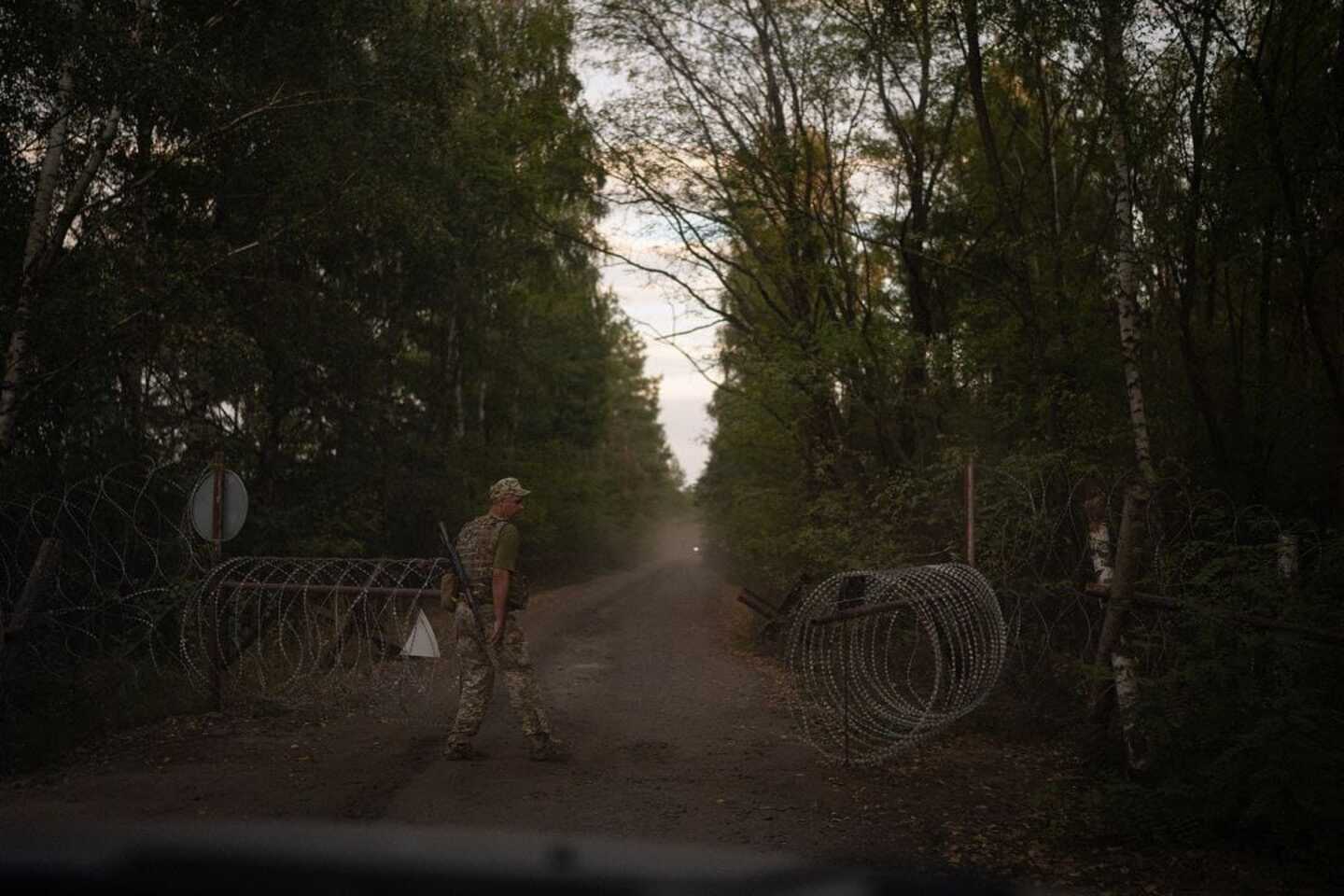
Main and last images: The Exclusion Zone through the eyes of airborne assault troops. Source: WAR CREW Telegram channel
Content


