
Three years ago, the russians blew up the Kakhovka Hydroelectric Power Plant — and forever changed the landscape of southern Ukraine. Here’s what scientists discovered during a new expedition to the bottom of the former reservoir in May 2026
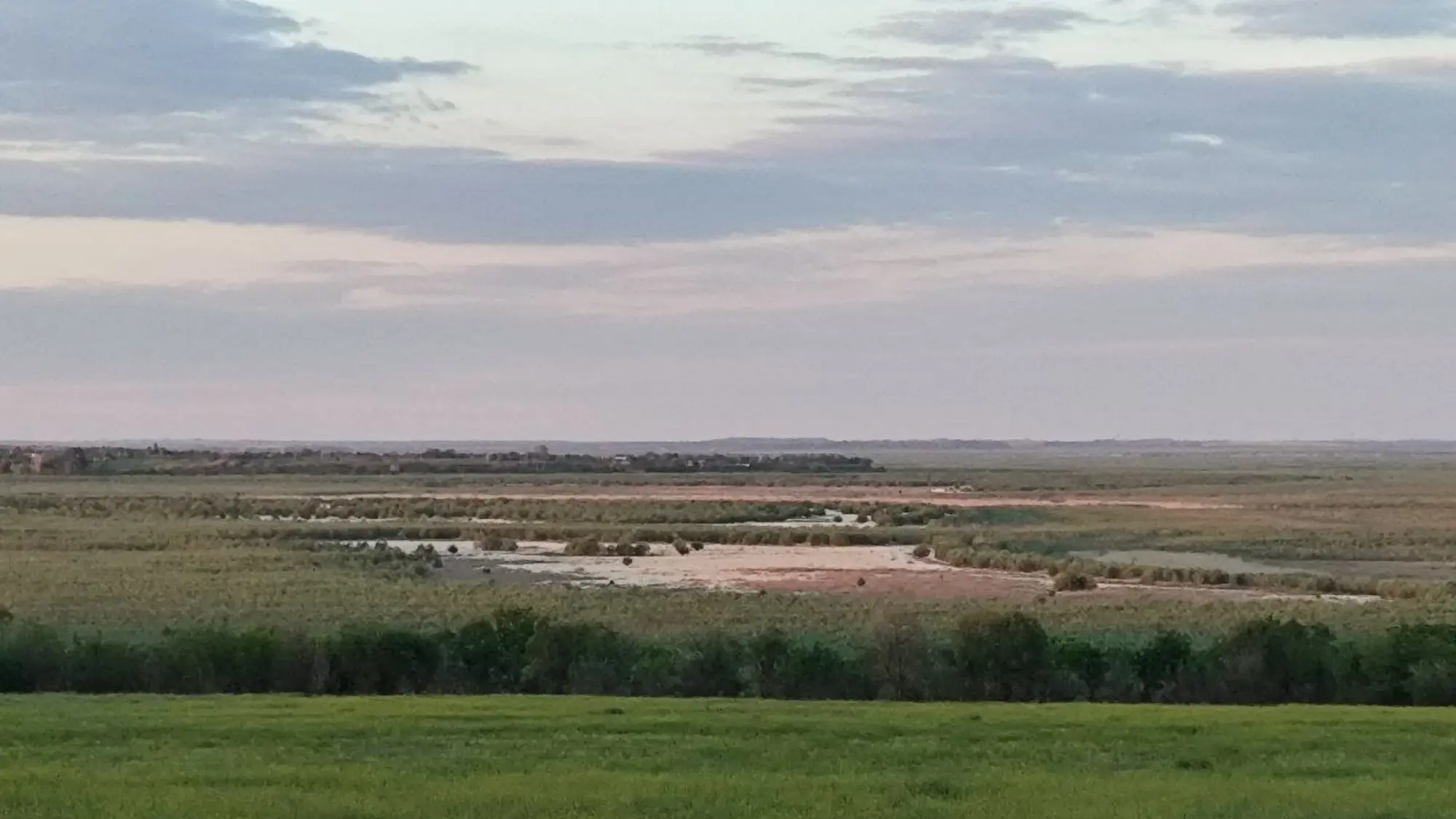
On June 6, 2023, russian occupiers blew up the Kakhovka hydroelectric power plant. The explosion destroyed the dam, flooded about 80 settlements, claimed the lives of people and animals, and devastated an ecosystem that had taken decades to form. What remained after the water receded looked like a dead zone — the bare bottom of the former reservoir, covering an area of over 2,000 km², resembled a desert, without a single plant.
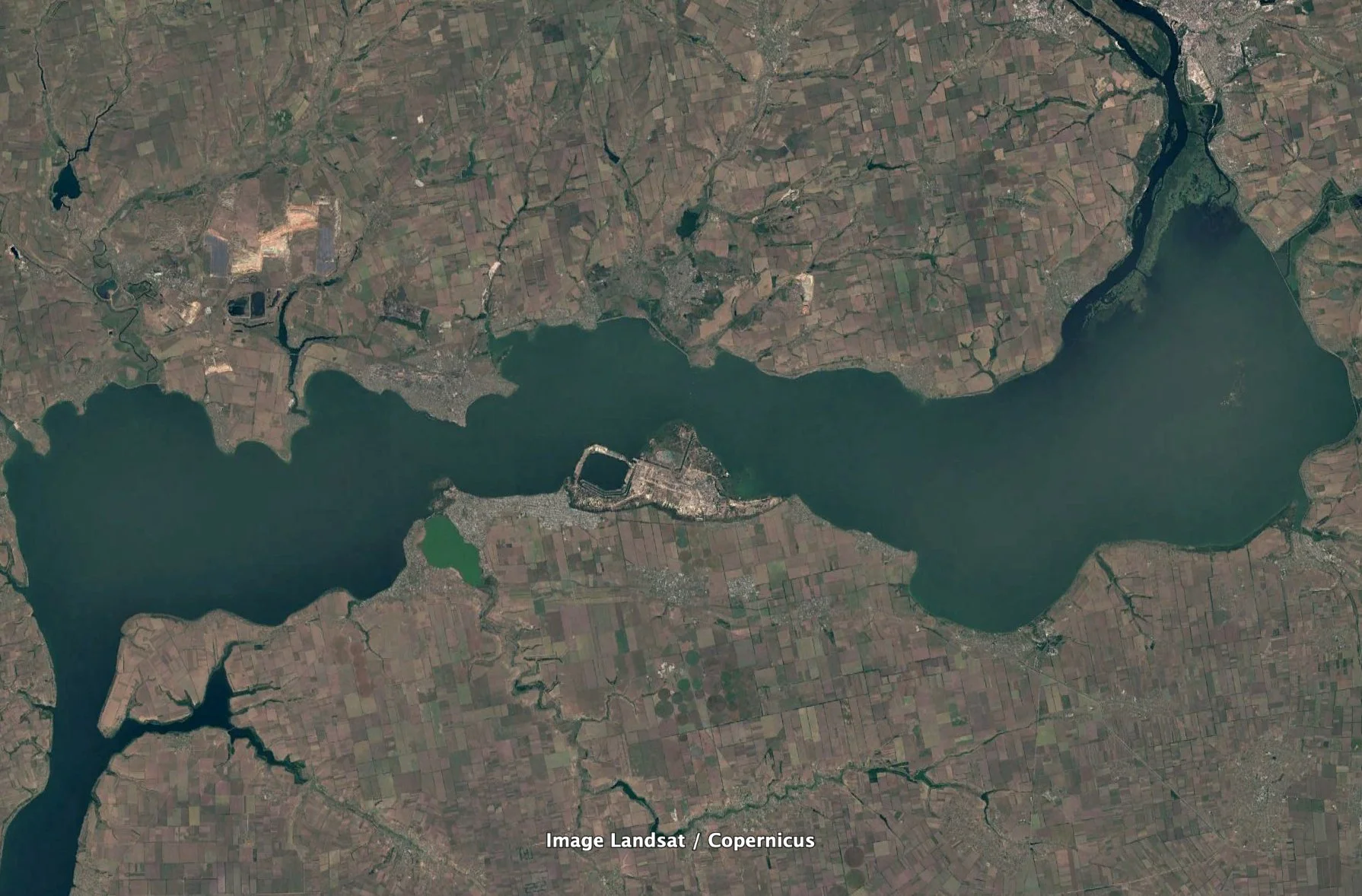
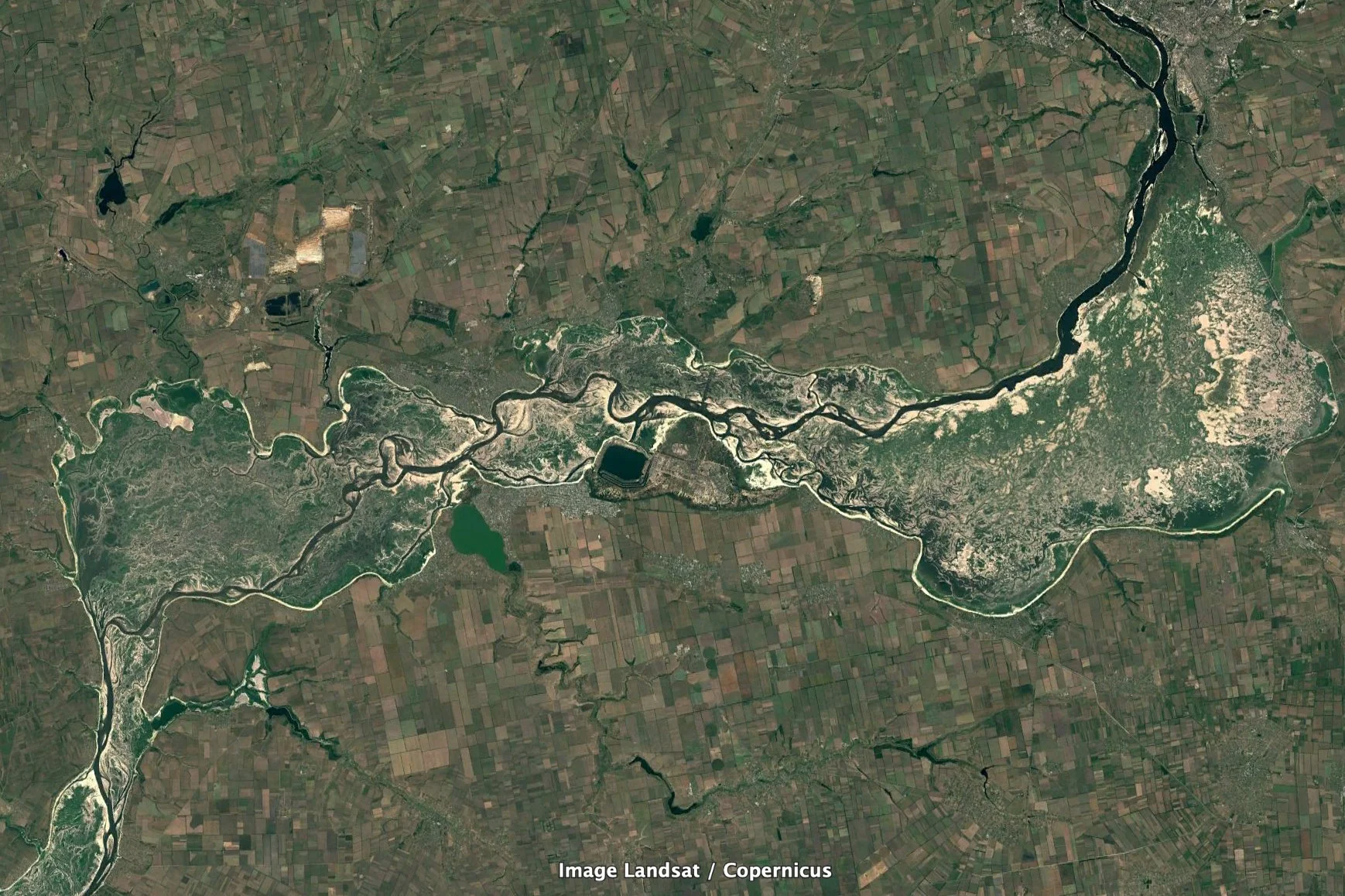

Three years later, in May 2026, a group of Ukrainian scientists set out on another expedition there. UAnimals spoke with one of its members — botanist, Doctor of Biological Sciences, and professor Ivan Moysienko. Here’s what the researchers saw.
This time, the scientists chose a new route. Previous expeditions took place in the Kamyanska Sich area, where the width of the reservoir between the banks was only 3,600 meters. Now the team headed to Novovorontsovka — the widest point of the former reservoir, where the distance to the left, occupied bank reaches 13,500 meters.
The paradox is this: the flooding of the hydroelectric plant created conditions under which a huge amount of organic matter at the bottom of the reservoir began actively releasing greenhouse gas. But the willows that grew on that very bottom neutralize this gas. Nature found a way to close this cycle.
While botanists were studying the vegetation, zoologist Oleksiy Vasylyuk — head of the Ukrainian Nature Conservation Group — made the first attempt to systematically describe the fauna of the new forest. Due to security restrictions, it was only possible to survey a narrow strip along the shore — about 200 meters inland. But what was seen was enough.
He noted that, judging by the tracks, foxes, jackals, and polecats are gradually settling in the forest. Among the birds near the water bodies, protected species — the black-headed bunting and the red-backed shrike — can be found. But the sounds were the most striking — hundreds of nightingales sing here at the same time, and there is simply no other forest like this in all of Europe.
In addition, at the beginning of the formation of the vegetation cover, plants whose seeds are dispersed by the wind predominated. Now, as Moiseenko noted, plants whose seeds are spread by animals, including insects, are playing an increasingly important role. This is an indirect but telling indicator that the number of animals has increased. Another sign is spiderwebs. In the early years, there were none at all, but this season there are so many that they cling to your face and hands the moment you step into the forest.
The unique three-year-old forest at the bottom of a former reservoir proves that nature possesses a tremendous capacity for self-regeneration. It heals the wounds inflicted by the occupiers through ecocide and creates new life where a desert was predicted to emerge.
Scientists’ work in this area continues. The next stage of the expedition is scheduled for fall 2026: scientists will measure tree heights, weigh biomass, and continue carbon balance research to finally unravel the phenomenon of the Kakhovka willow.
The future of this unique ecosystem remains a subject of debate. While some discuss the possibility of restoring the reservoir, others insist on preserving the restored Velykyi Luh. To learn about what this historic area was like before the flooding, how it is reviving now, and what development scenarios scientists are considering, read the UAnimals media article “Recovering from Ecocide: The Past and Future of the Kakhovka Reservoir.”
The destruction of the Kakhovka Hydroelectric Power Plant is one of the most massive, but by no means the only, environmental crimes russia has committed in Ukraine. Russian aggression has already led to the deaths of millions of animals and the destruction of more than a quarter of the country’s nature reserves.
The UAnimals team continues to document these crimes, engage international experts, and gather evidence of environmental destruction as part of the #StopEcocideUkraine campaign, so that the voice of Ukraine’s wounded nature is heard on the international stage and the aggressor faces just punishment.
You can support this fight: share this material, tell the world about the ecocide in Ukraine, and join in supporting our animal welfare and environmental initiatives. Only public awareness and collective pressure will help protect our future.
Featured image: the former Kakhovka Reservoir; photo courtesy of Ivan Moisienko
SHARE
about UAnimals on social networks
SUBSCRIBE
to UAnimals news


