
What happens to animals left without care in frontline areas, how they are evacuated, and what dangers UAnimals rescuers face.
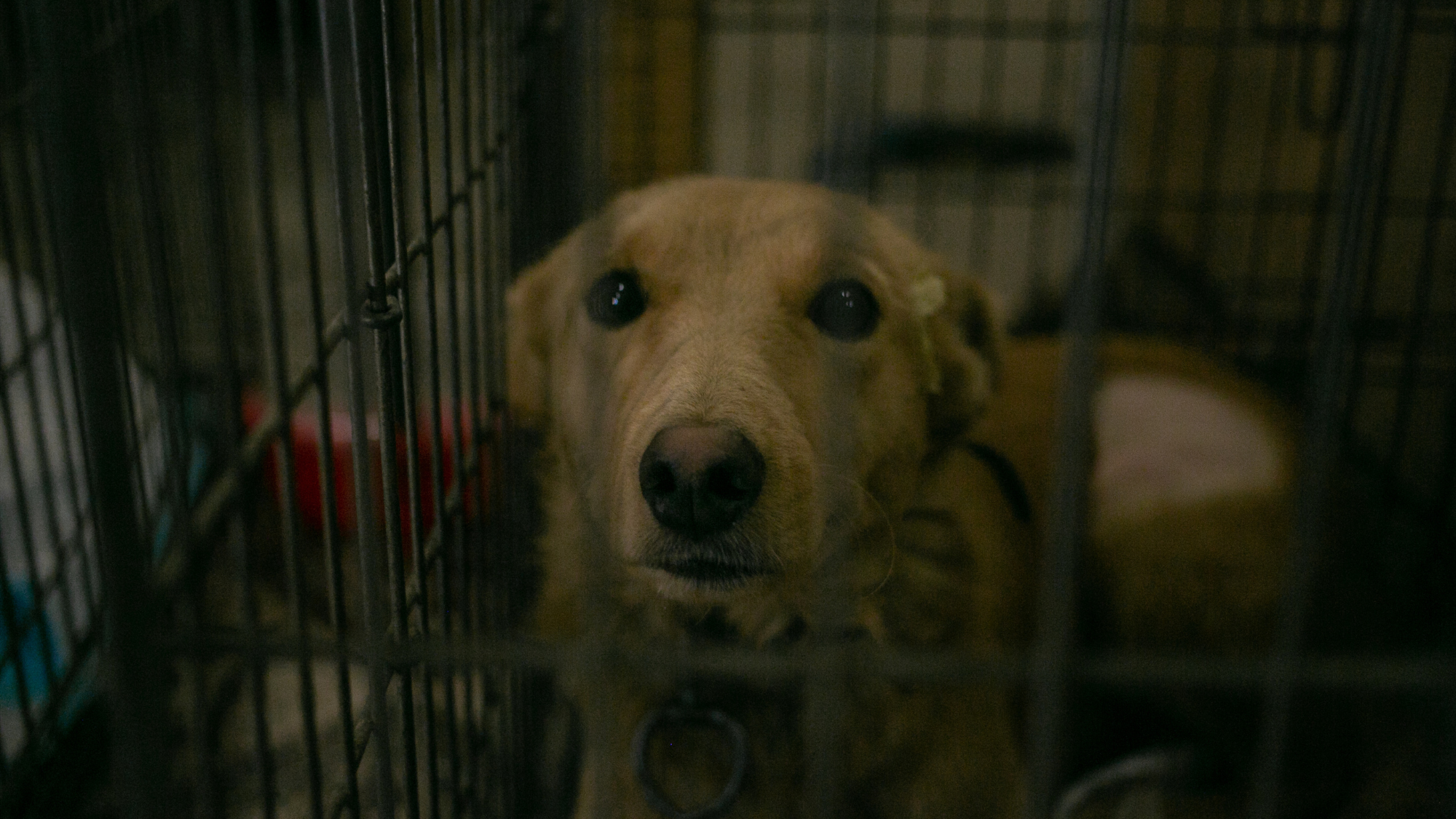
“Out of curiosity, I’ll count the incoming calls since 9 a.m.. One, two, three… seventeen, eighteen. Plus six new messages on Viber, and also Telegram, WhatsApp. These are just the new requests!” — Olha Viter, manager of UAnimals’ evacuation missions, counts the requests that have come in from frontline areas since the morning. And the day has only just begun. Some of them are requests to transport animals that will be taken to new places to join their owners. But no less often, people ask to take away animals that no one can look after. What awaits those who are left to live without human care in frontline cities and villages?
Daryna Lytvynenko and her husband lived 10 kilometres from Ternuvate in Zaporizhzhia region. In the winter of 2025, in just a matter of days, the settlement turned into a combat zone.
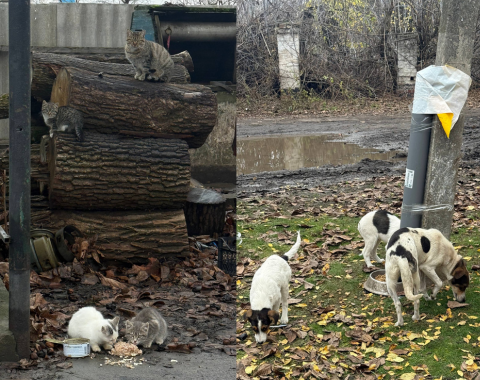

“People get out of there within two days. We decided to go and see what the situation with the animals was like. We bought a couple of bags of cat and dog food, arrived… And there were about five hundred animals there, all out on the street! And speaking of the locals — officially 12 people were left, and these are people who are no longer able to take care of the animals,” the woman recalls. Two bags of feed were not going to be enough there.
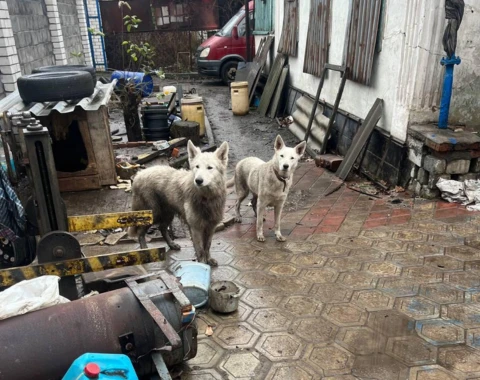
This is a typical situation for places where people flee and leave in a hurry. Animals, including domestic and often farm animals, become the main inhabitants there. Counting them is impossible — no census of the dog and cat population exists. Members of the evacuation missions say that more animals remain there than they manage to take out — at least that is what they see with their own eyes.
For a general idea, we have the following figures: from Ternuvate, Daryna and her husband evacuated about 300 animals in October 2025 — that is, 300 in one month from a single settlement.
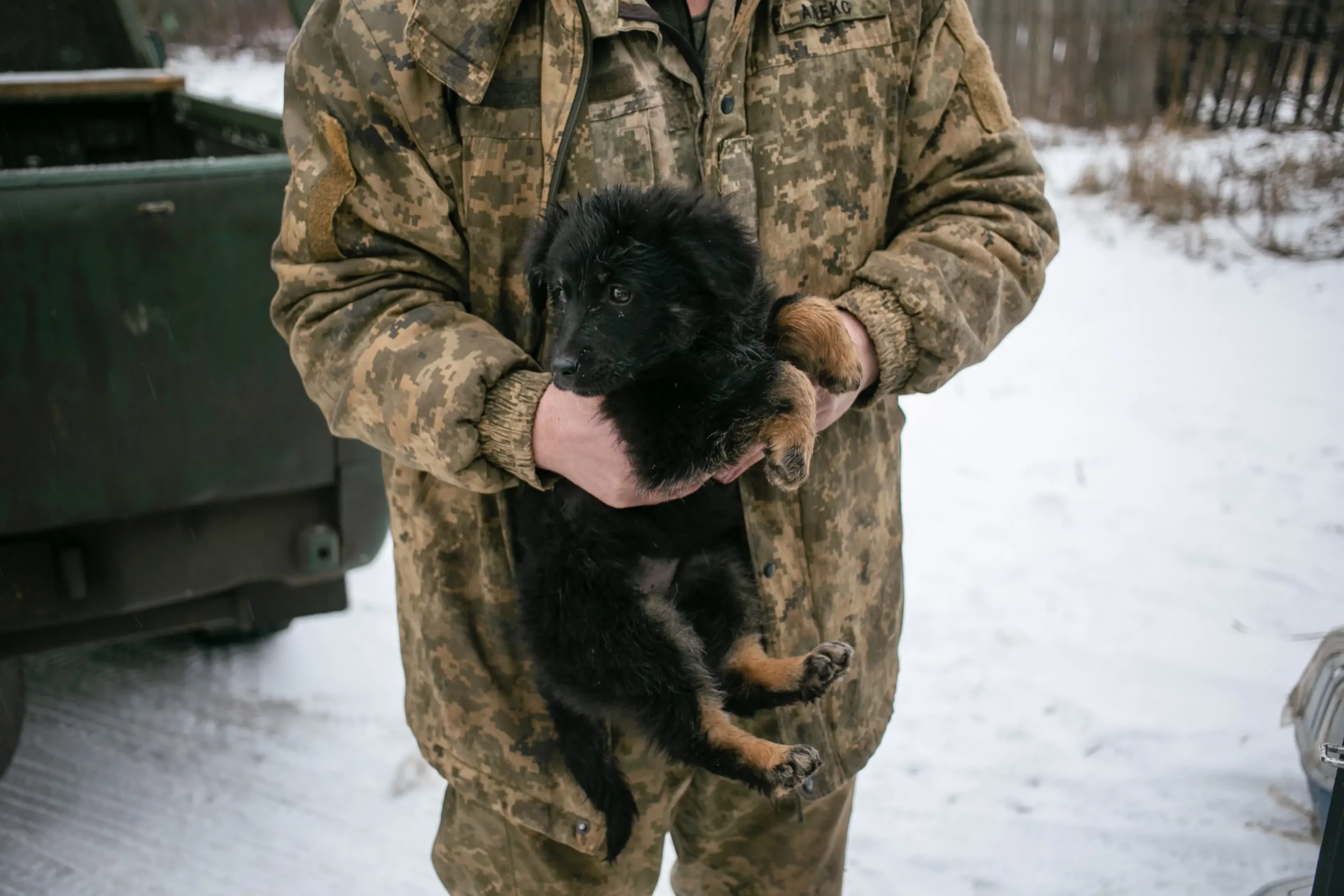
“I never come back empty-handed from places closer to the border — I always take someone home. Sometimes people leave and don’t take their animals with them, and there are strays too. At my foster place I have a limited number of places. So right now I keep 10 adult dogs and a little more than 20 adult cats, and I only take new guests home when a place frees up. In a year I rehome about 200 animals,” says Natalia Karas, a volunteer from Sumy region. There, in the northern border area, there are no active hostilities right now, but the shelling never stops. “Animals don’t run around in packs, but in every settlement there are a few people who have more than 10 animals,” Natalia says.
Since the beginning of the year until the end of June, UAnimals together with volunteers evacuated 1,128 animals from the frontline. In total, by July we had carried out 12 veterinary missions, in each of which we treated/sterilised 300-400 animals (approximately 4,200 cats and dogs in half a year). So we are talking about thousands of animals without care or with minimal care from local volunteers.
Daryna and her husband had been feeding animals from Ternuvate village until December 2025. The woman recalls, “Soldiers came to us and said it was better not to go there. That day, some guys were riding a quad bike to Ternuvate, and an FPV drone hit them. Thank God, everyone survived, but they were wounded. It’s fiber-optic, you know — you can’t see it or jam it!”. At that time, Daryna and her husband had already begun cooperating with UAnimals — distributing the food supplied by us. Partly, our rescuers helped transport the animals that Daryna was taking out. “Still, we decided to go, scattered food in bags, took animals out. UAnimals said at the time: take everyone, no exceptions. So that’s what we did. After that, it was impossible to get into Ternuvate,” Daryna says. The situation in the grey zone of Zaporizhzhia region cannot be accurately assessed. In places where volunteers still go, the scale of the problem is smaller. Now they are distributing food around Novomykolaivka (which is closer to Zaporizhzhia).
“Recently, there were many calls from Kharkiv region, from the Kupiansk direction,” says Olya Viter. Before that, calls from Vasylkivka, Dnipropetrovsk region, were flooding in.” We couldn’t get to Vasylkivka, as the vehicle with electronic warfare equipment was under repair. Requests from Kramatorsk and Druzhkivka have become more frequent. “The situation there has deteriorated significantly due to russia’s advance in Kostiantynivka. Druzhkivka is already very difficult; we haven’t been able to get in there for a long time,” Olya explains. UAnimals also got requests for help from Chernihiv region, where there had been no such requests before.
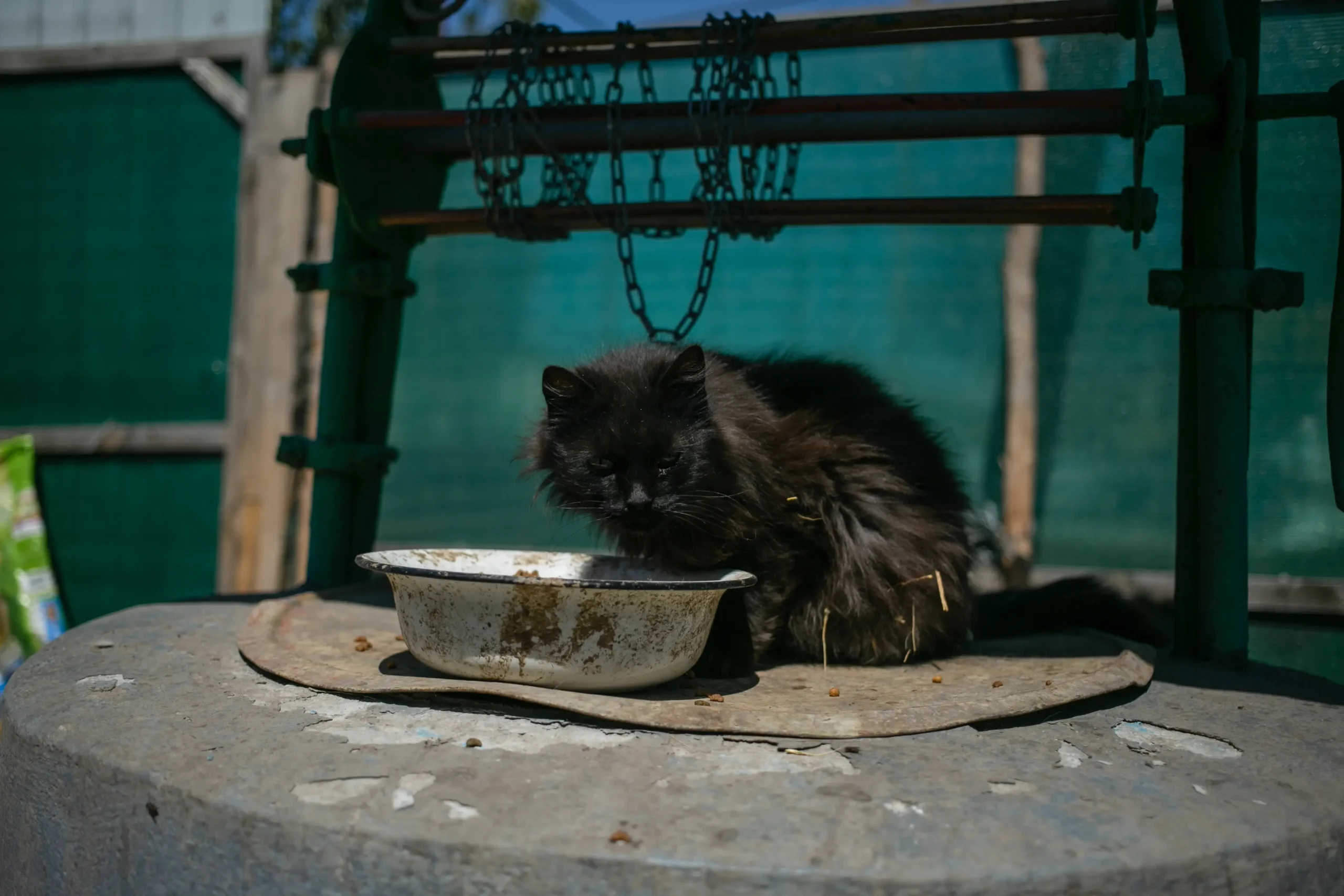
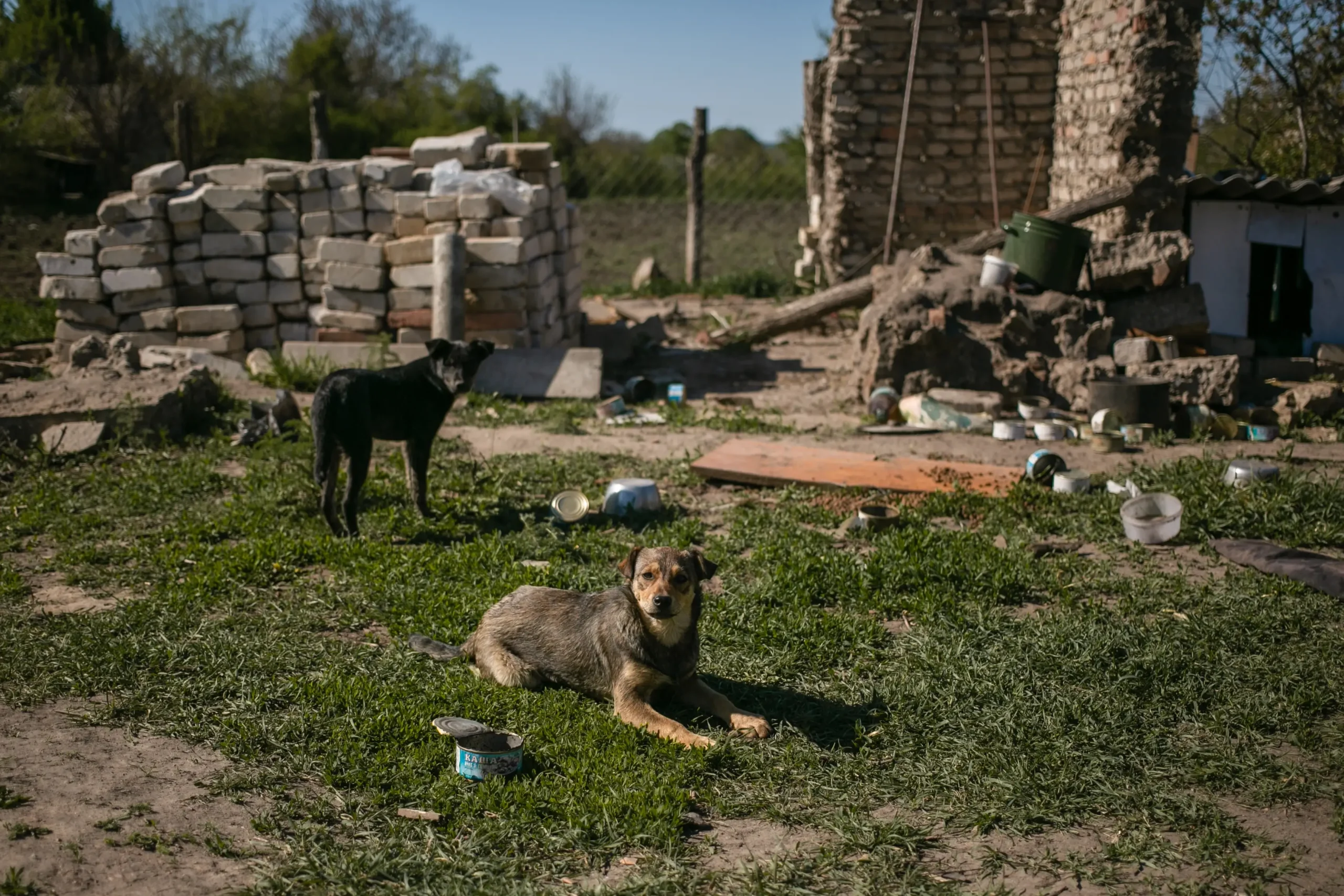
Over the past few months, there have been more requests from Sumy region. “Three weeks ago, a house was burned down by a mortar. My parents are now in an abandoned house,” says Natalia Karas (the house burned down in July 2026). Her parents are still in Seredyna-Buda, a town on the border with Russia. Among other things, the woman organizes sterilizations in Sumy region, including trips to the territory of the Seredyna-Buda community. “We used to go to this area often, but now, for example, one veterinarian has refused to go there. We settled 15 kilometers away in a village, and I went there myself and took animals for sterilization.”
Due to security issues, UAnimals does not enter dangerous zones. Animals are brought out from there by partner organizations. Their vehicles are more mobile and smaller, and the volunteers know the local area. Animal Rescue Kharkiv takes animals out of Donetsk and Kharkiv regions, Save Animals evacuates from Dnipropetrovsk and Donetsk regions, and individual volunteers rescue from Zaporizhzhia and Kherson regions. UAnimals takes the animals and transports them across Ukraine to safer locations.
“At the former recreation centers, we’ve ended up with plenty of dogs,” says volunteer Natalia Makoviy from Mykolaiv region. “Eighteen females showed up at one of them. The director calls: “What am I supposed to do? There are 18 of them!’ I say: multiply that by five, soon that’s how many there’ll be.”
Unsterilized animals breed uncontrollably — and there’s not enough food for them to survive.
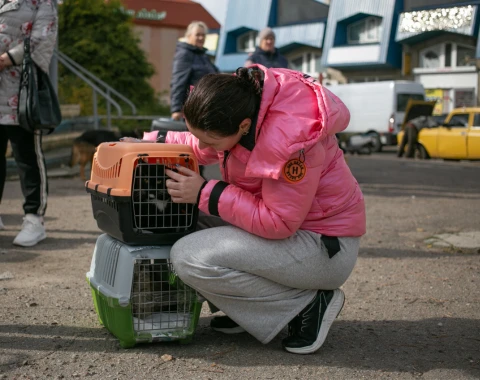
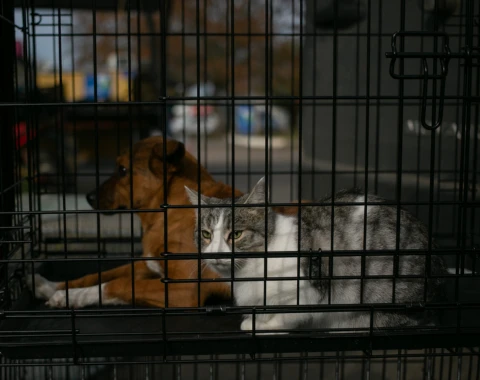
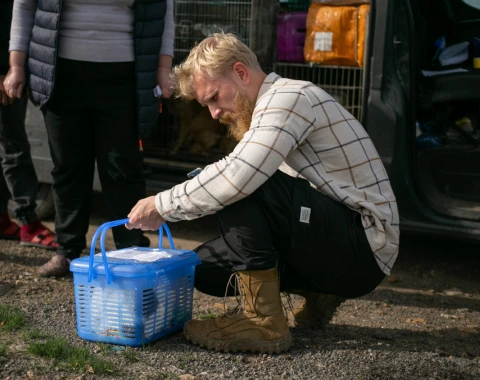
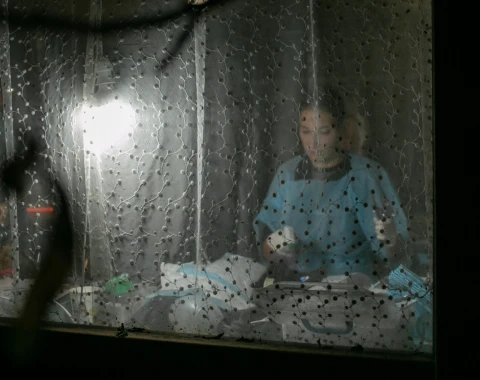
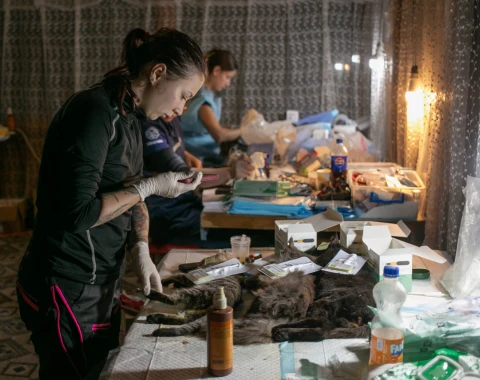
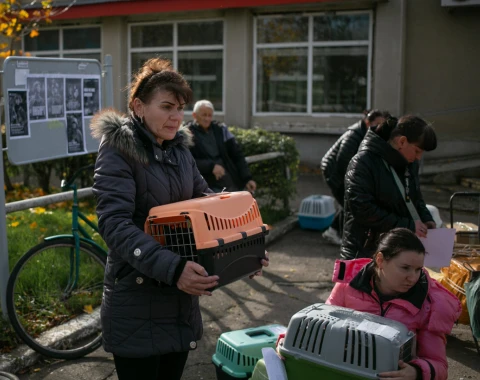
To keep the problem from growing exponentially, UAnimals veterinarians sterilize the maximum number of animals during vet missions, including stray ones. Volunteers also initiate sterilizations. The dogs from the recreation center were eventually sterilized. Overall, during the full-scale war, Natalia says, she and her colleague managed to sterilize 3,000 animals, partly during the UAnimals veterinary mission in November 2025 (400+ cats and dogs).
Hunger drives dogs to gather in packs and gravitate toward places where there is still food. These are either animal volunteers who have dozens of cats and dogs on the ground, or military positions. By living near positions, animals give them away to the enemy. “By taking animals away from the soldiers, you make their lives easier,” explains volunteer Daryna, who communicates with Ukrainian defenders every day.
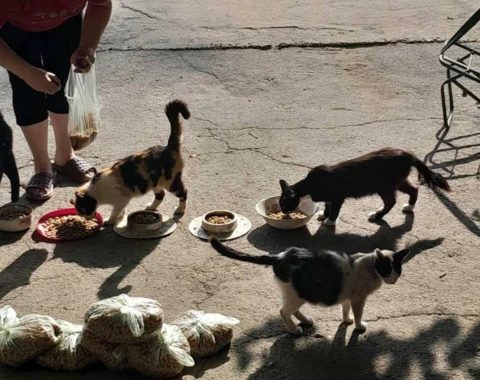
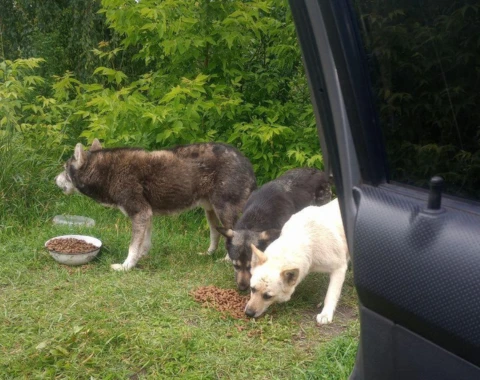
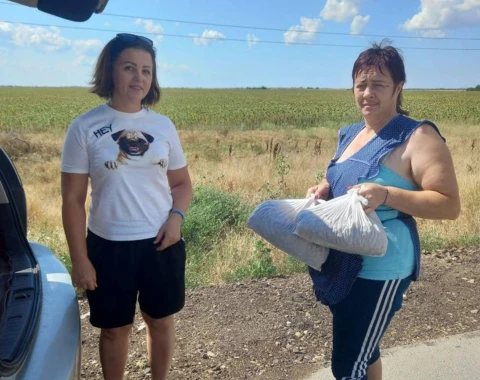
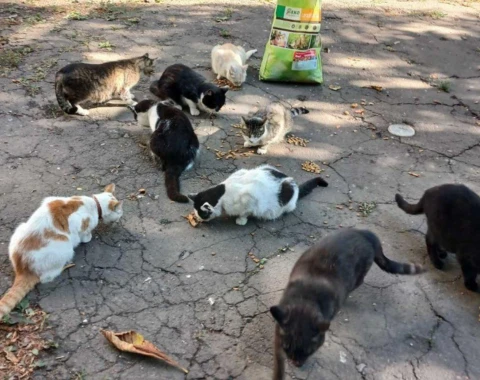
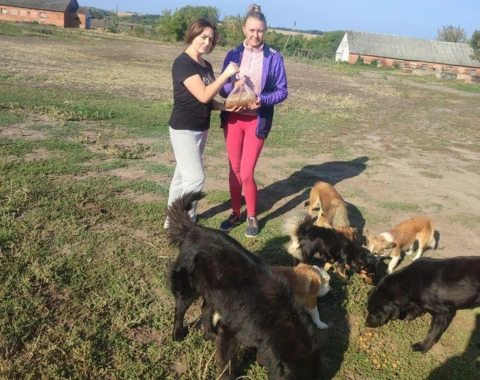
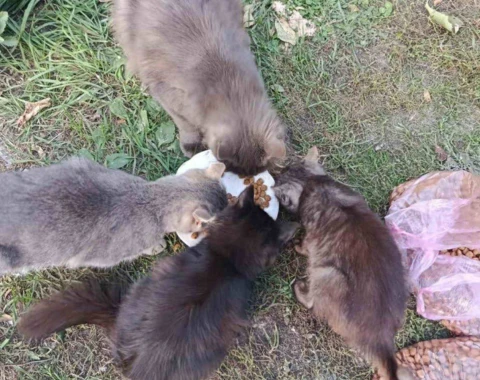
In each of the frontline regions, UAnimals has several volunteers who deliver food for cats and dogs. On average, that’s five people per region. UAnimals purchases and ships the food and, when needed, compensates for fuel costs. Every month, all the volunteers distribute near 2,5 tonnes of food. “They determine their routes themselves: these people know the situation, they see what’s happening, and we trust their judgment,” says Oleksandra Puhachova, manager of the UAnimals volunteer community. “During my work, no one has stopped cooperating; the network has only expanded. However, simply expanding it is not a solution right now. Volunteers need protective equipment and often electronic warfare devices to travel into dangerous zones.”
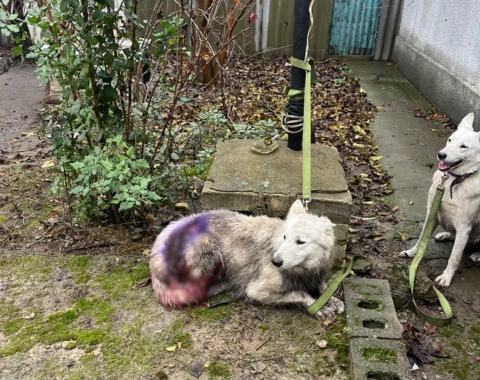
Animals on the street become vulnerable to diseases and parasites that they pass on to each other. To at least somewhat ease the situation, UAnimals volunteers distribute treatments against fleas, ticks, and internal parasites, and during veterinary missions, veterinarians help both domestic and stray animals. Most often, animals from the frontline areas suffer from tumors, pyometra (inflammation of the uterus in females due to a bacterial infection), abscesses, hernias, wounds, and gum and skin diseases.
The number of requests to UAnimals to evacuate animals ranges from 30 to 100 per day.
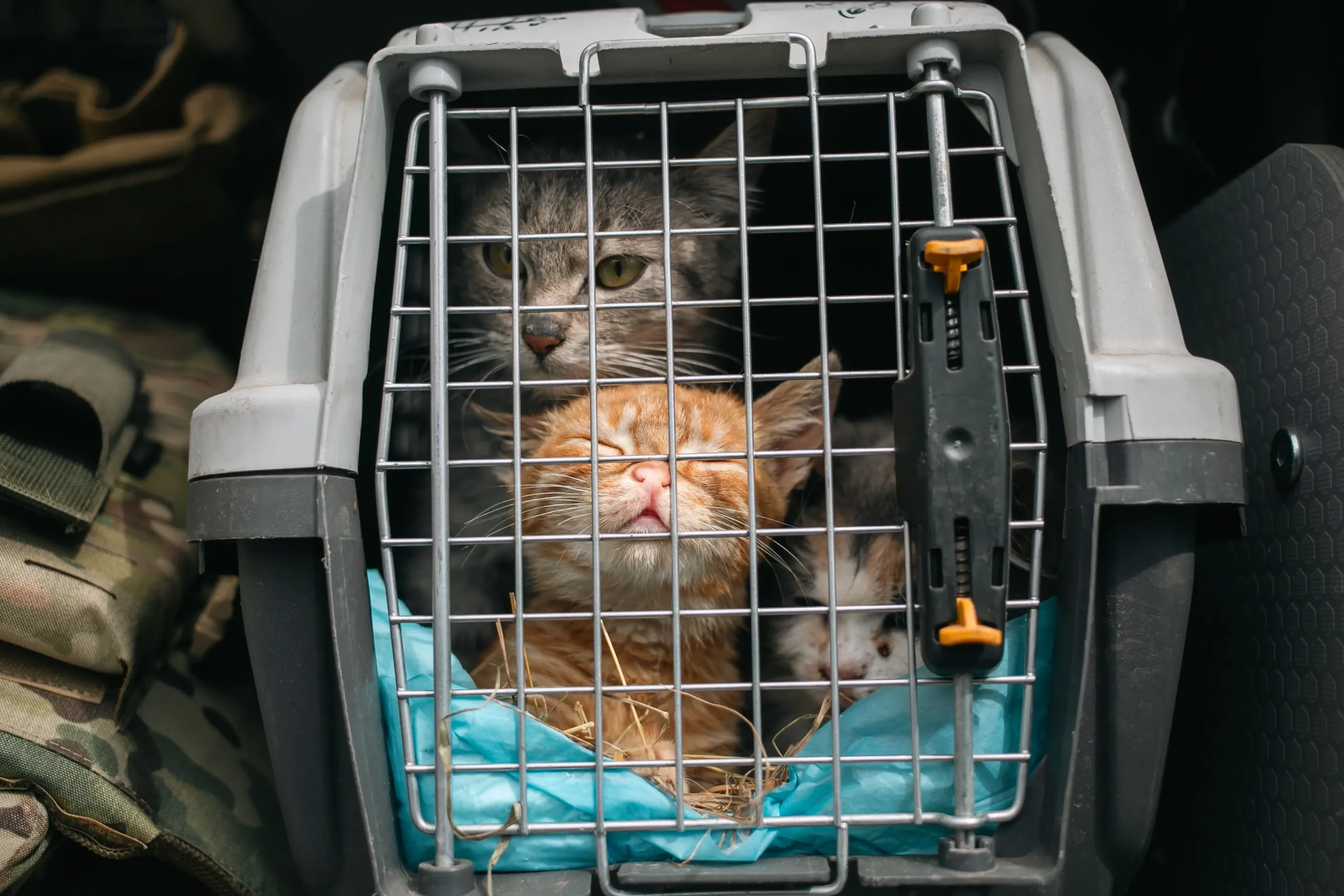
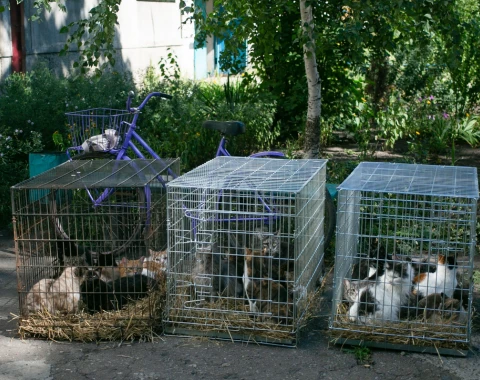
It is impossible to process all requests, at least because of factors such as time or the vehicle’s capacity, the organization explains. Per trip, a UAnimals vehicle can fit 30-40 dogs and cats — depending on their size. Moreover, in hot weather the animals get stuffy, so they try to limit the number of passengers to 30. A single evacuation trip lasts four days.
The challenge is not just the number of calls, but also the fact that many animals are being asked to be rehomed as well. Shelters, meanwhile, are overcrowded.
“First of all, we accept requests without rehoming from soldiers. After all, they come to houses where animals have been left behind, and they care about them. I always ask people who are leaving to look for relatives or at least call shelters to rehome their animal,” says Olya, who communicates with requesters every day.
It is difficult to rehome not only aggressive animals, but even socialized, gentle ones. “If they are old, they need something more than minimal care — that is immediately a risk that we won’t find a place to rehome them,” says Anastasiia Heichuk, head of the UAnimals rescue department.
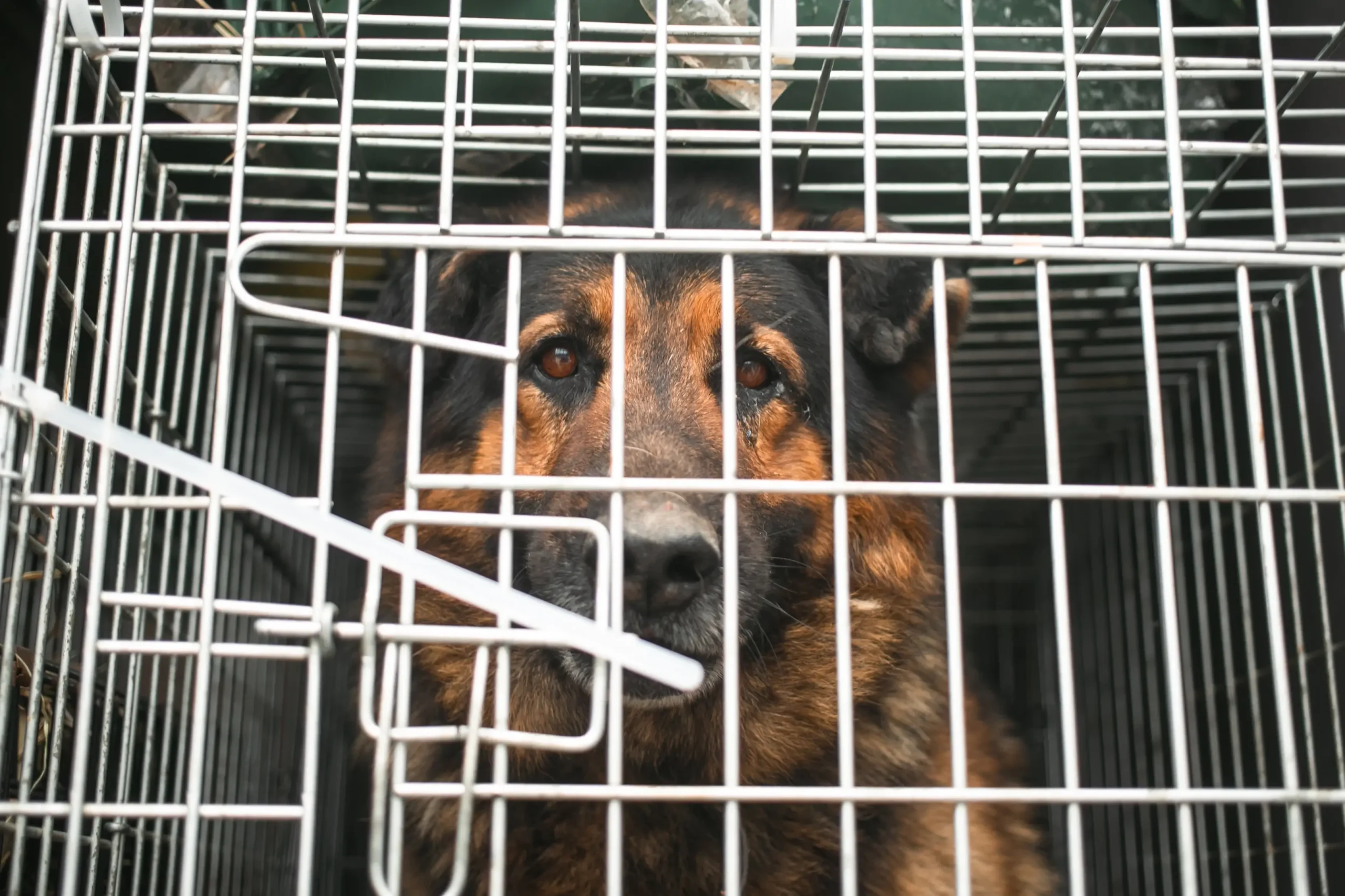
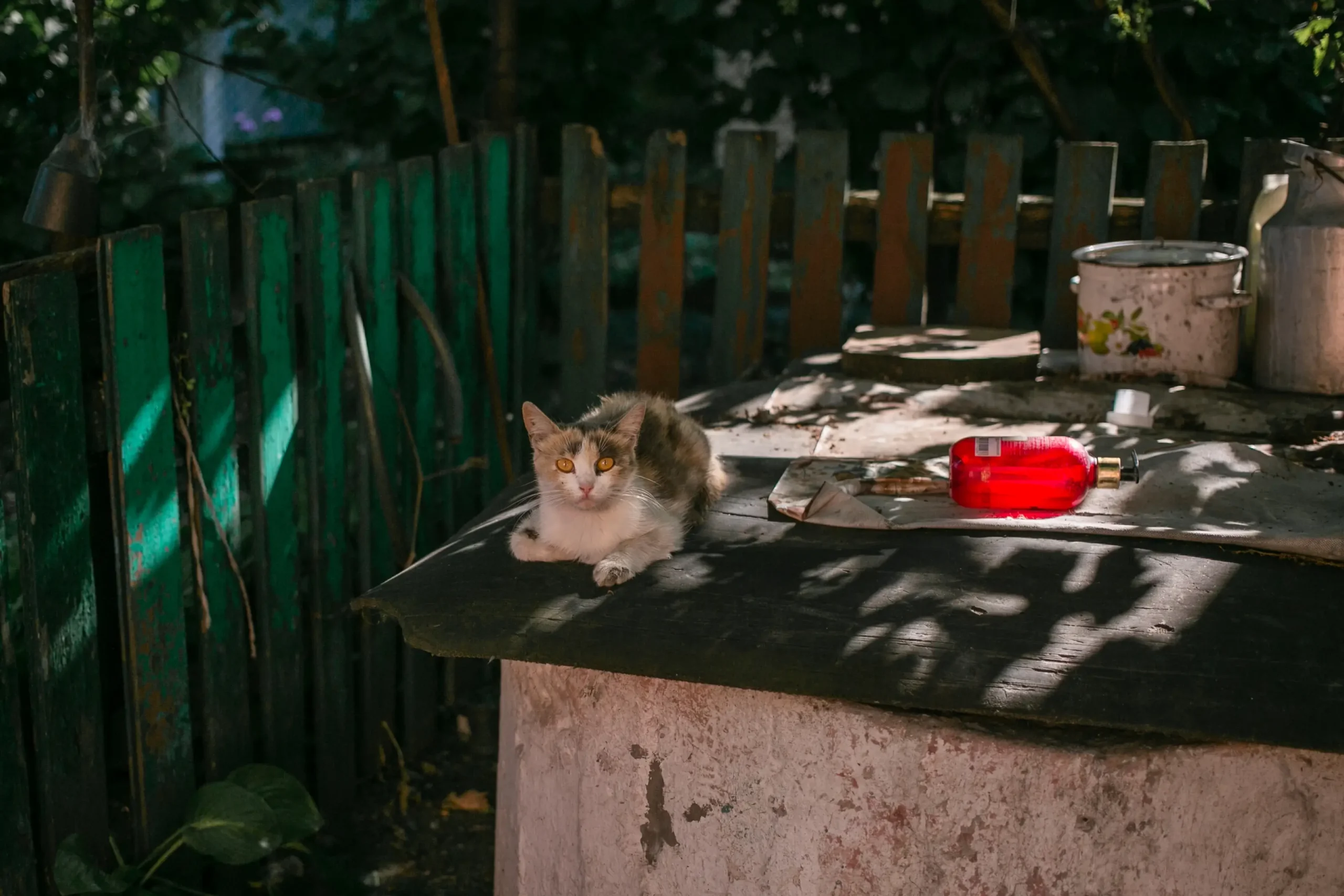
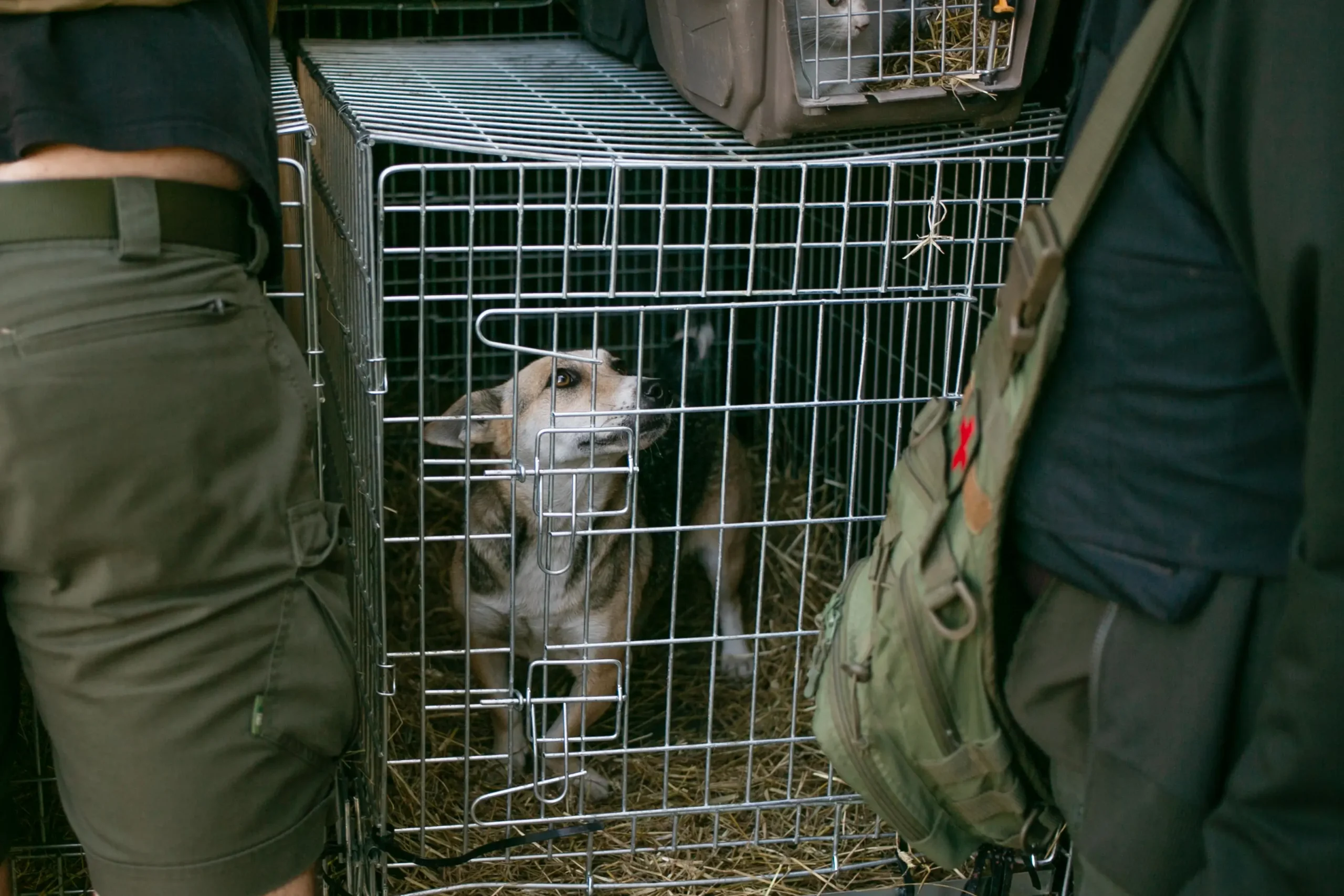
Animals who require special care are not rare. Those injured or sick are taken for treatment to veterinary clinics — there, animals sometimes receive treatment for weeks, sometimes even months. Such passengers are on every evacuation trip, UAnimals says. On a single trip, five animals may go for treatment, or it could be 25.
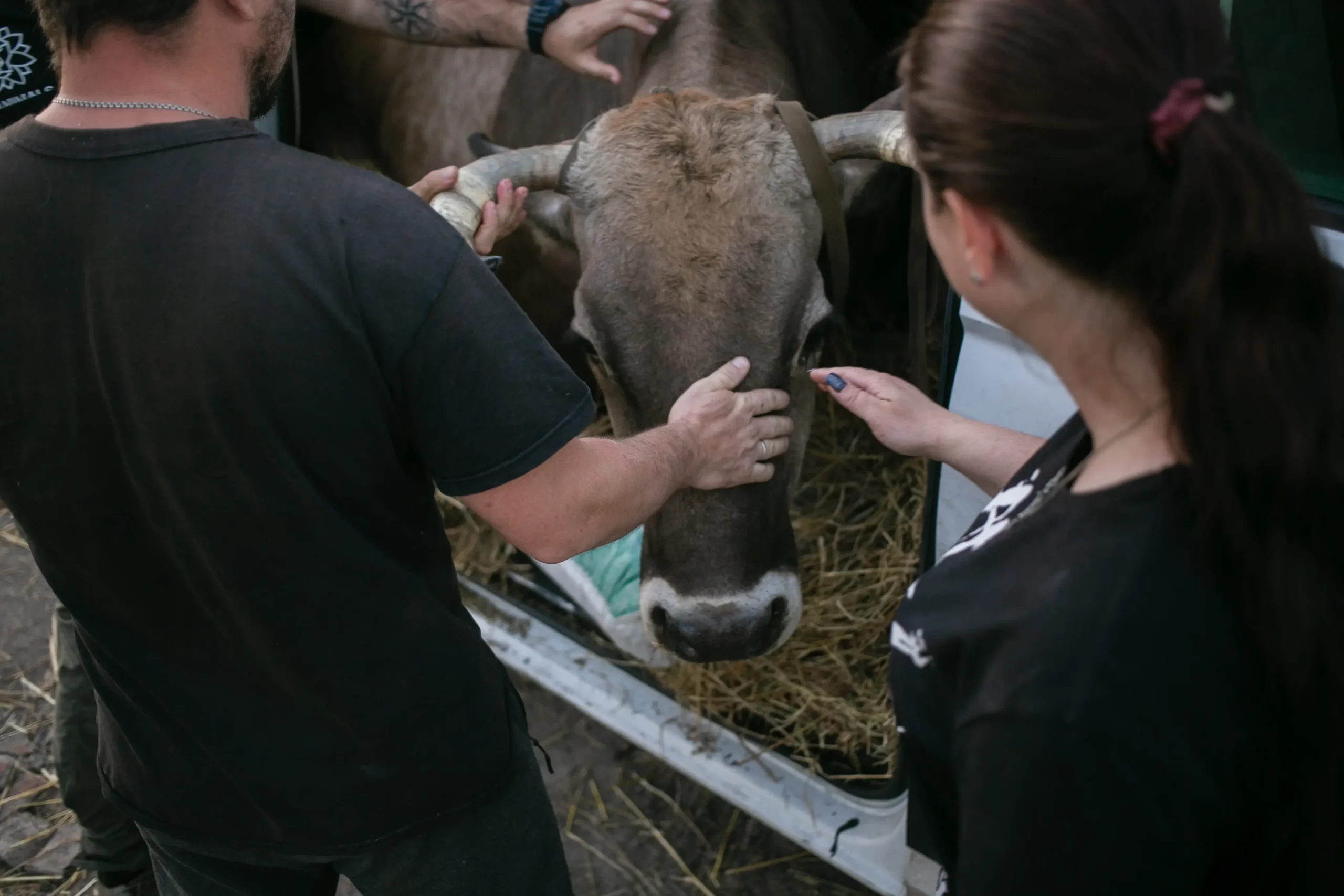
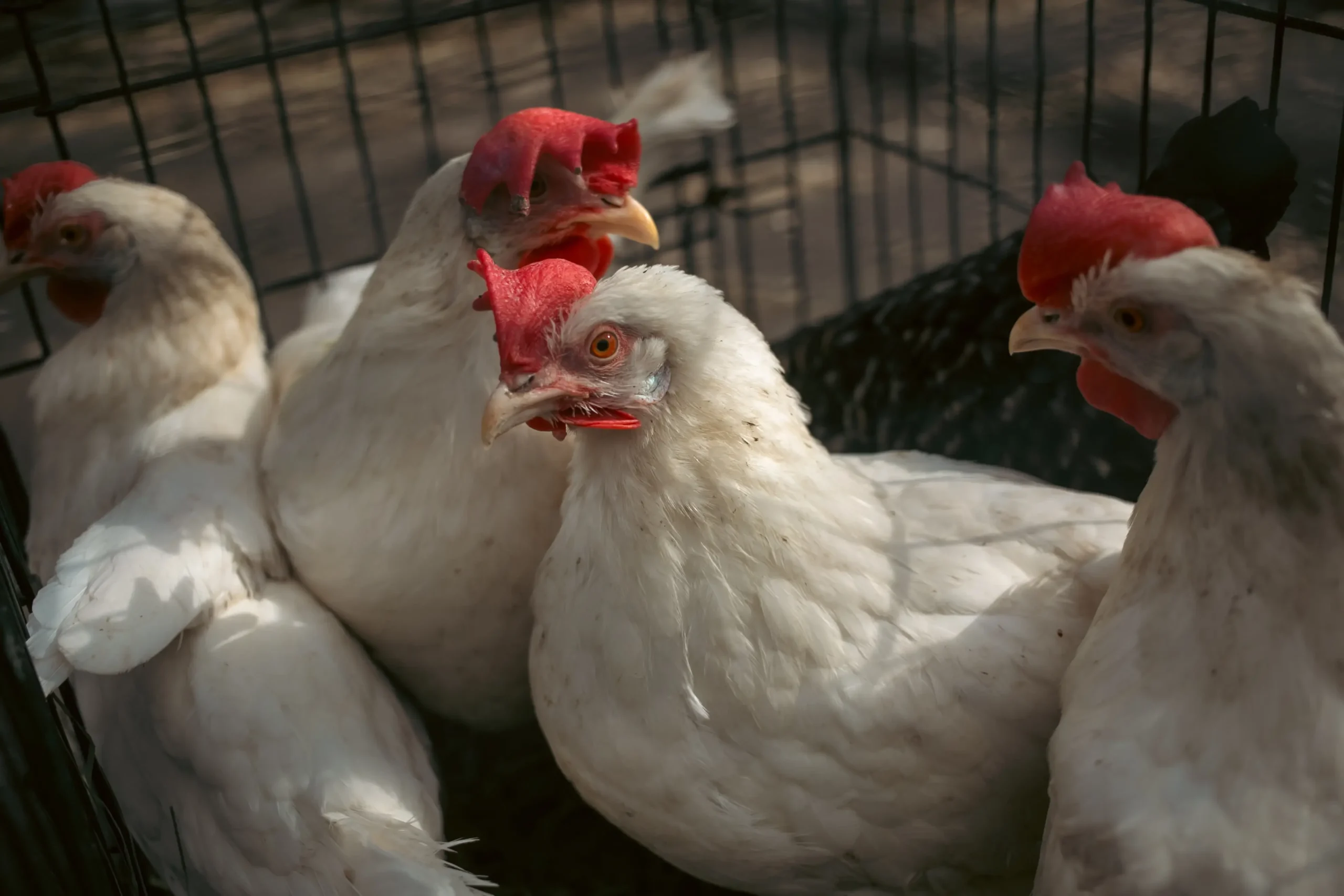
There is an even bigger problem with farm animals. If a request comes from people who are relocating and taking their animals with them, UAnimals agrees to transport them. “But if people are evacuating and cannot take, say, four horses and three cows with them, then we have nowhere to take them,” Anastasiia explains. “Some shelters that specialize in cats and dogs accept farm animals. They take in one cow, one horse, but that’s not much. We also can’t rehome them to farms, so we are forced to turn many people down.” Olya Viter adds: “Our partner shelters already have more goats and piglets than you can count. I ask: Can you take a little goat? What about a piglet?”
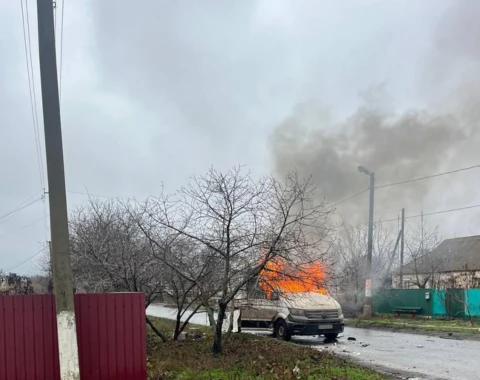
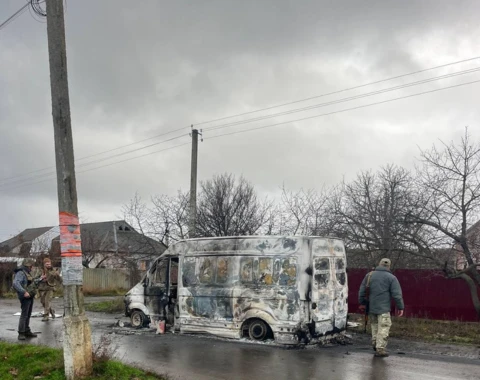
On December 12, 2025, a russian drone hit a UAnimals vehicle. There were two rescuers and two dogs inside — the men managed to run out and carry the animals to safety. The vehicle burned to the ground. “When the drone hit the car, we were about 10 kilometers from the frontline — for us that’s a normal limit,” Anastasiia Heichuk says. “After that, we decided not to take such risks. Our vehicles are large, they’re visible, they’re targets, so we can’t get everywhere.” The new vehicles are still being retrofitted to adapt them for transporting animals and to protect them .
It’s not only enemy fire that poses a danger to the evacuation team. “Even anti-drone nets can slow us down. Once a torn net caught on the electronic warfare systems and ripped it off the vehicle, so we had to stop for repairs,” Olya Viter says.
“Shelling, drones, guided bombs — of course it’s frightening; the main thing is not to forget about safety rules, not to neglect personal protection, a first-aid kit, tourniquets. Assess the situation, listen, look around, use your intuition, know how and when to use the electronic warfare system. At every new location, we assess the area for places where we could potentially hide from a drone. Before trips, I recall the knowledge I gained from tactical medicine courses and practice applying a tourniquet,” says Kseniia Zhyhunova, an animal rescuer on the field operations team.
However, far from everyone who works with animals has these means — volunteers (as private individuals) sometimes travel without them.
“How do you get there?” I ask Natalia Karas, who visits the Seredyno-Budska community on the border.
“There’s no way,” Natalia answers. “At your own risk. Everyone who goes has radios and intuition, but so far I don’t have the means to buy equipment. There were times when I wanted to pick up animals and couldn’t. This year a bridge was destroyed once, and another time I was planning to go — but the animals had already died.”
Since May, evacuation teams have faced yet another challenge — attacks on gas stations. “Just six months ago, before heading into Donetsk region, our last refueling stop was in Pavlohrad, and a full tank was enough for a day of evacuation,” Kseniia says. “I remember how our friends from Kramatorsk who evacuate people told us they had stopped refueling on the territory of Donetsk region. I remember how, for the first time, I felt a bit scared at that gas station in Pavlohrad, where there are always a lot of people, both soldiers and civilians.”
Since gas stations have become targets for enemy strikes, the evacuation vehicle refuels from a jerrycan. It doesn’t even pull into gas stations in Dnipro or Kharkiv.
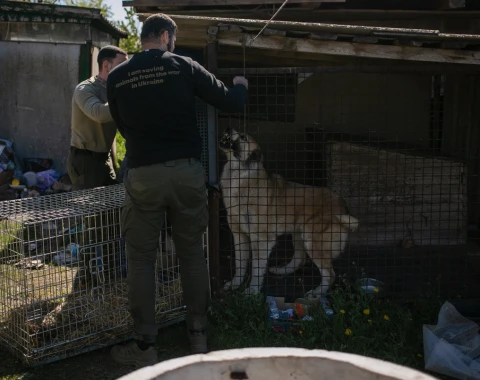
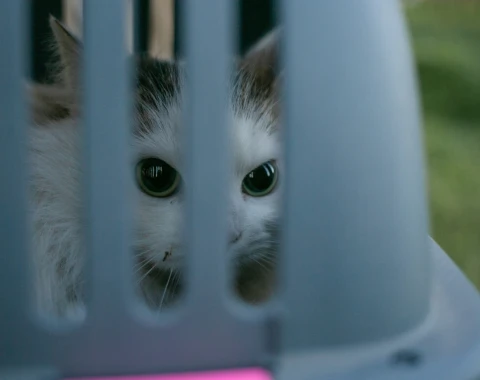
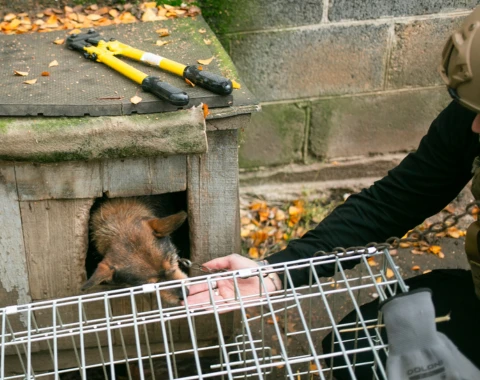
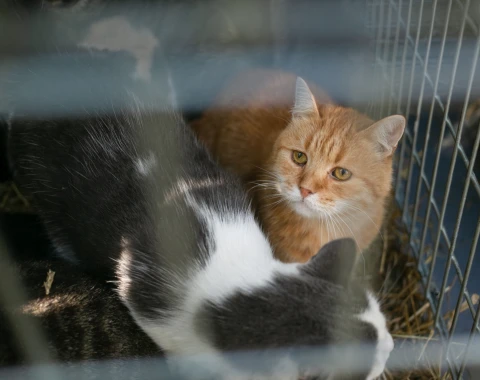
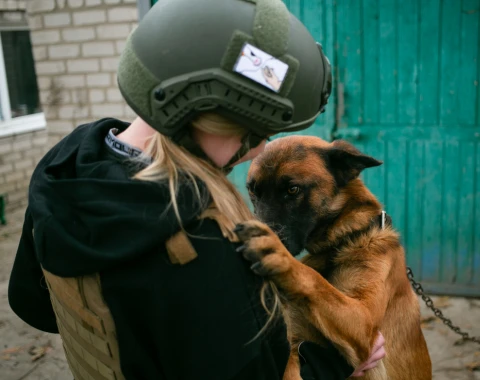
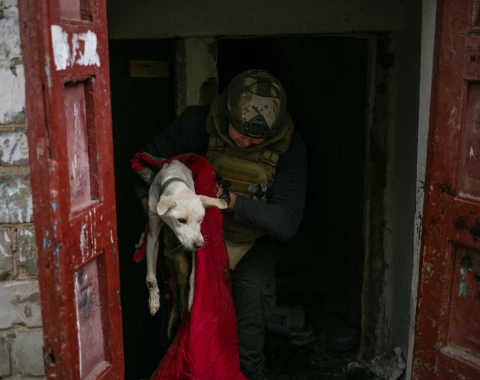
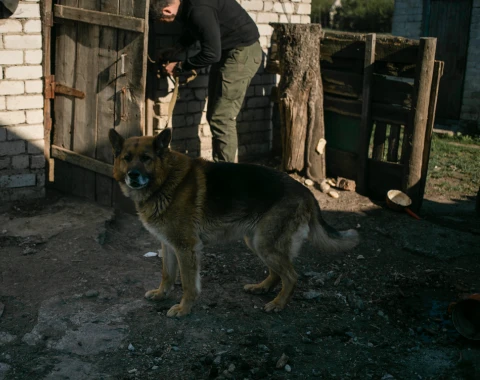
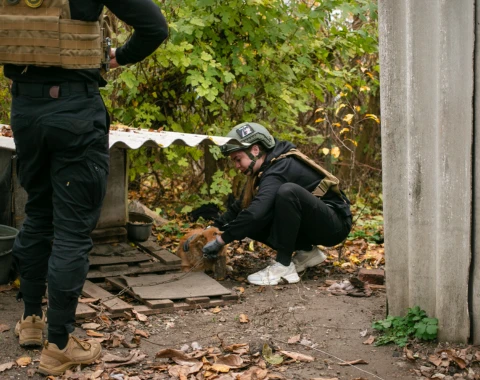
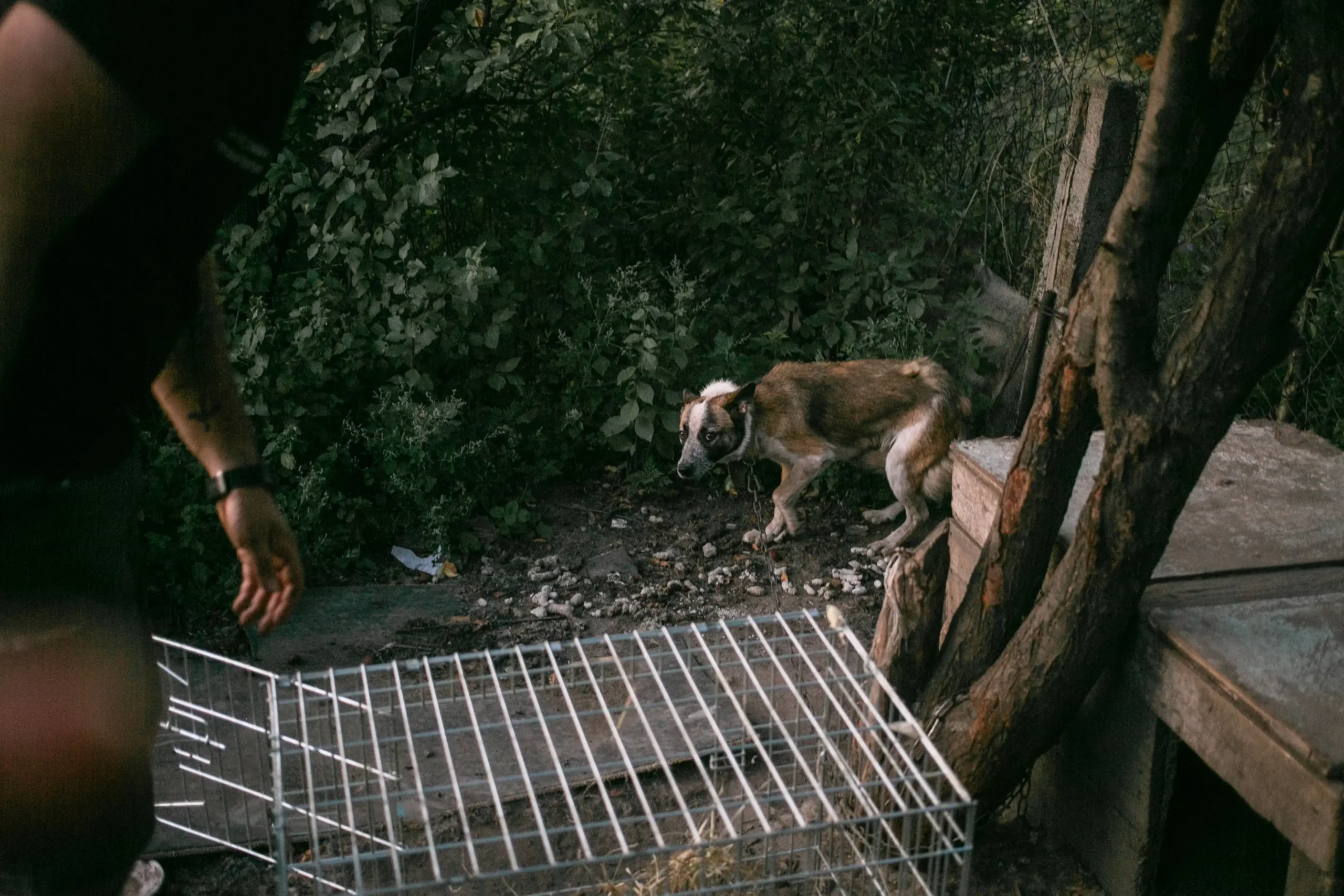
Kseniia Zhyhunova recalls: “I remember how we spent about 40 minutes trying to get a dog into a doghouse, and then spent a long time trying to pull him out of it and into a crate. But he braced his paws and didn’t want to come out. We had to break down the back wall of the doghouse and push the dog into the crate. A drone was flying somewhere nearby. We understood that we had only one chance.”
This dog is not the only one who refused to be moved. After psychological burden — the noise of shelling, hunger, loneliness — animals can show intense fear and aggression related to it. Especially toward strangers who are trying to move them: “If an animal has been left alone in a yard, it’s always 50-50: either they will happily come right up to you, or it will be a real challenge,” Kseniia Zhyhunova says.
It is especially hard with those animals who have been left without human company for a year, two, or even more. “Animals become wild and aggressive, and on top of that, they are chased away from everywhere. These are new risks for volunteers,” says Daryna from Zaporizhzhia region.
When UAnimals went close to the combat zone to rescue animals, not every story had a happy ending. Nina Neronova, head of the evacuation department, recalls: “In a very hard-hit area in Selydove, our rescuers walked several kilometers on foot to find an animal. It was already impossible to drive a vehicle there. But they came back empty-handed — they never found it. There were not one, not two, not ten such requests that we couldn’t fulfill. And it always breaks our hearts.”
At the same time, hundreds of cats, dogs, and farm animals did move to new places and found their people. It was hard to predict that among them would be a dog named Malysh — for a while, it seemed he had no chance.
In November 2025, UAnimals received a request: we were asked to rehome an Alabai dog that lived in an enclosure in Pokrovske, Dnipropetrovsk region. Despite the name, which translates as “a little guy”, the dog was far from small and was aggressive. The caretakers had left, and soldiers moved into the yard — and even they were afraid of him. “His previous humans said the soldiers should shoot him,” Olya Viter says. “I held endless negotiations — for this dog, I did everything possible. But there weren’t even any paid enclosures for aggressive dogs of that size. And we could no longer get into that village.” Our friends from Save Animals team tried to take the animal — unsuccessfully. Then they went again — this time it finally worked out. A potential caretaker was found too. However, Malysh’s adventures didn’t end there: the man, as it turned out, was a supporter of dog fighting, and Malysh stayed in foster care. “In the end, a wonderful family took the dog,” Olya says. “It’s just love. He now lives with them and behaves like a plush teddy bear.”
Animal rescuers are not only those who directly travel to the animals, feed them, or treat them, but also those who paid for these trips. It is you who helped Malysh and hundreds of other dogs and cats find a home. Join UAnimals’ fundraisers — so there are fewer broken hearts and more happy reunions.
SHARE
about UAnimals on social networks
SUBSCRIBE
to UAnimals news


