«Evacuation of animals during wartime means making an impossible choice: between those we can save now and those who have to wait»
Life near the frontline becomes a constant fight for survival. For animals, this struggle is even harder: they cannot speak to their fear, ask for help, or build shelter for themselves. Understanding this, UAnimals decided from the very first days of the full-scale war to focus on rescuing animals. Evacuations from the Donetsk, Dnipropetrovsk, Zaporizhzhia, and other frontline regionsquickly became one of the organization’s key priorities.
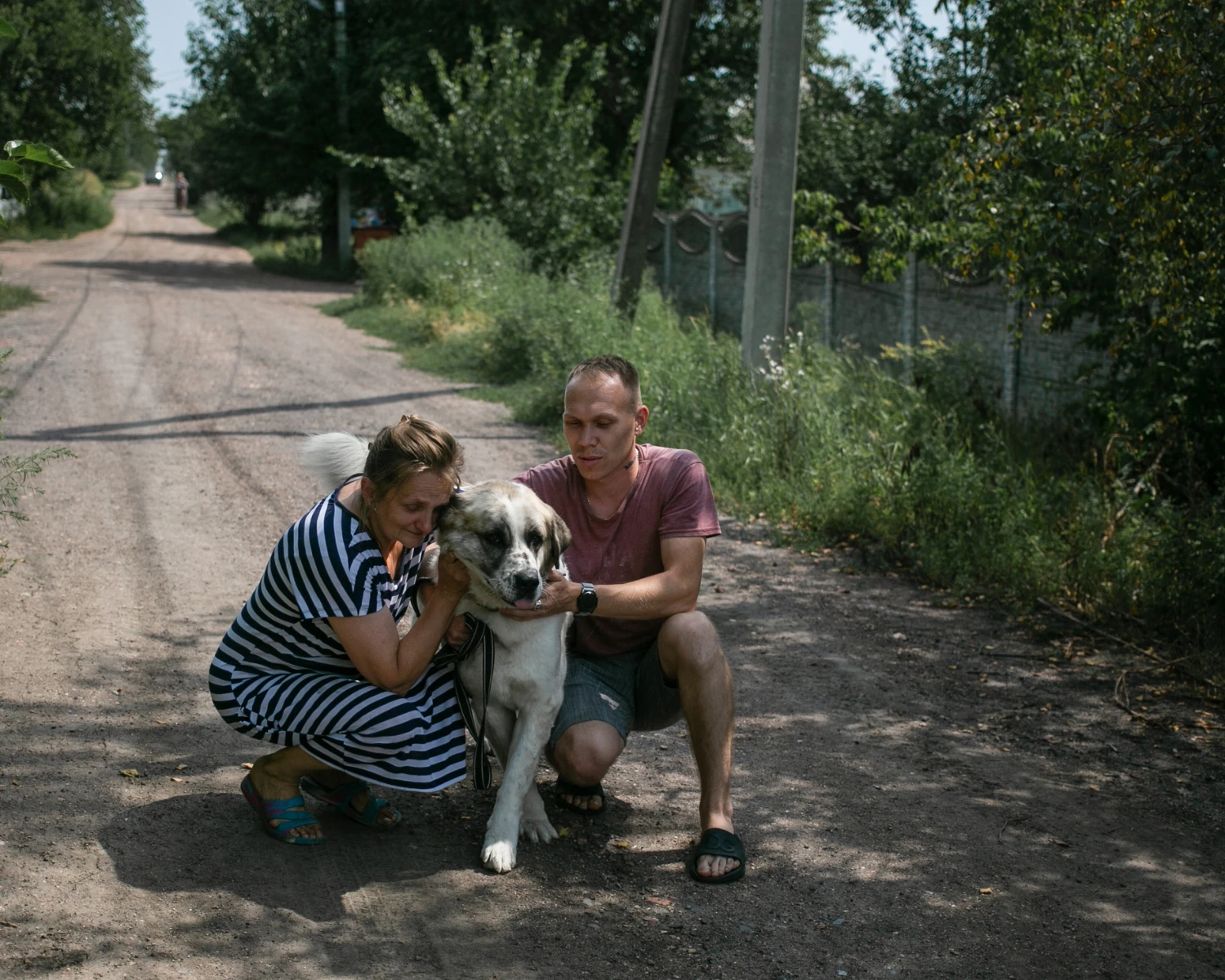
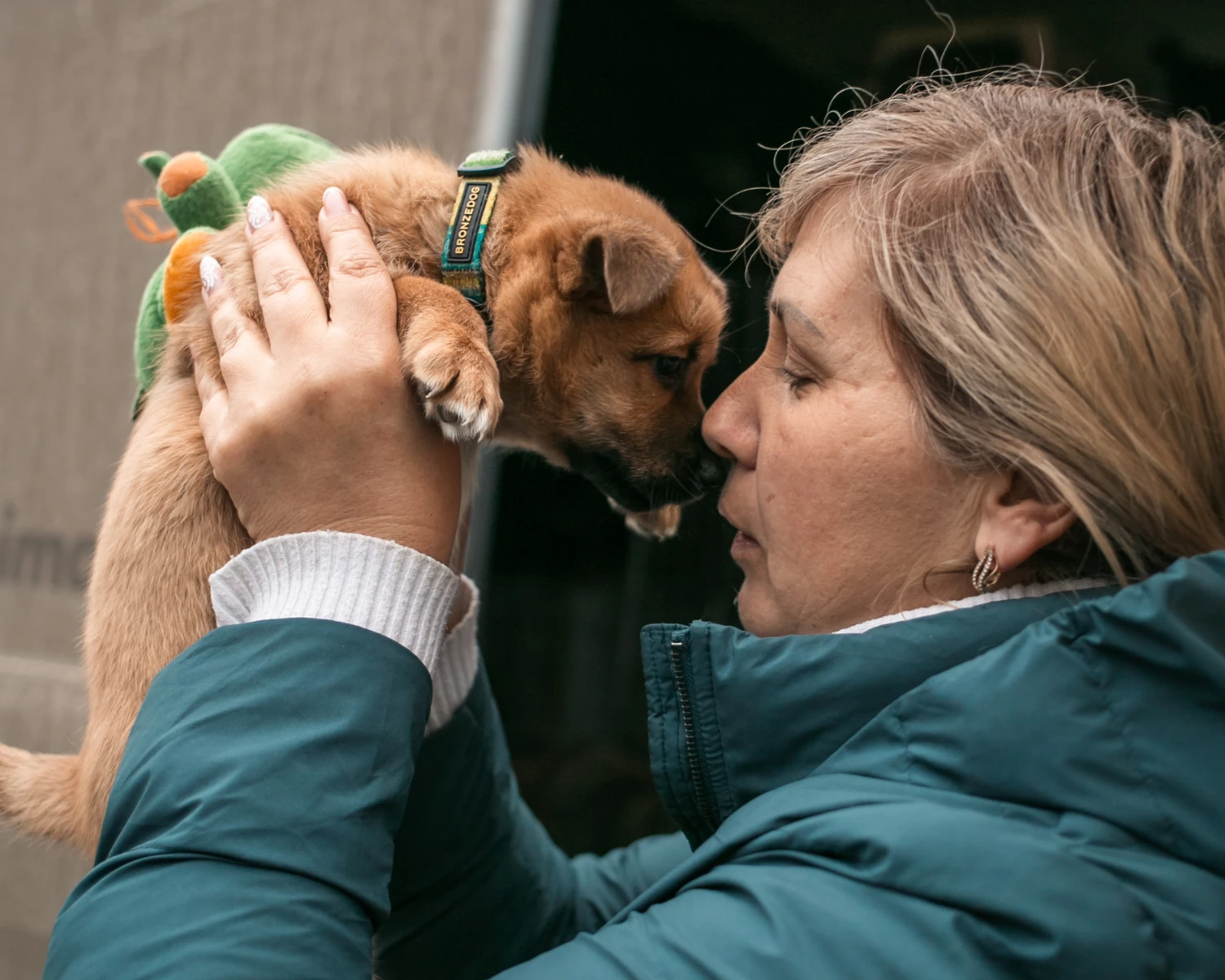
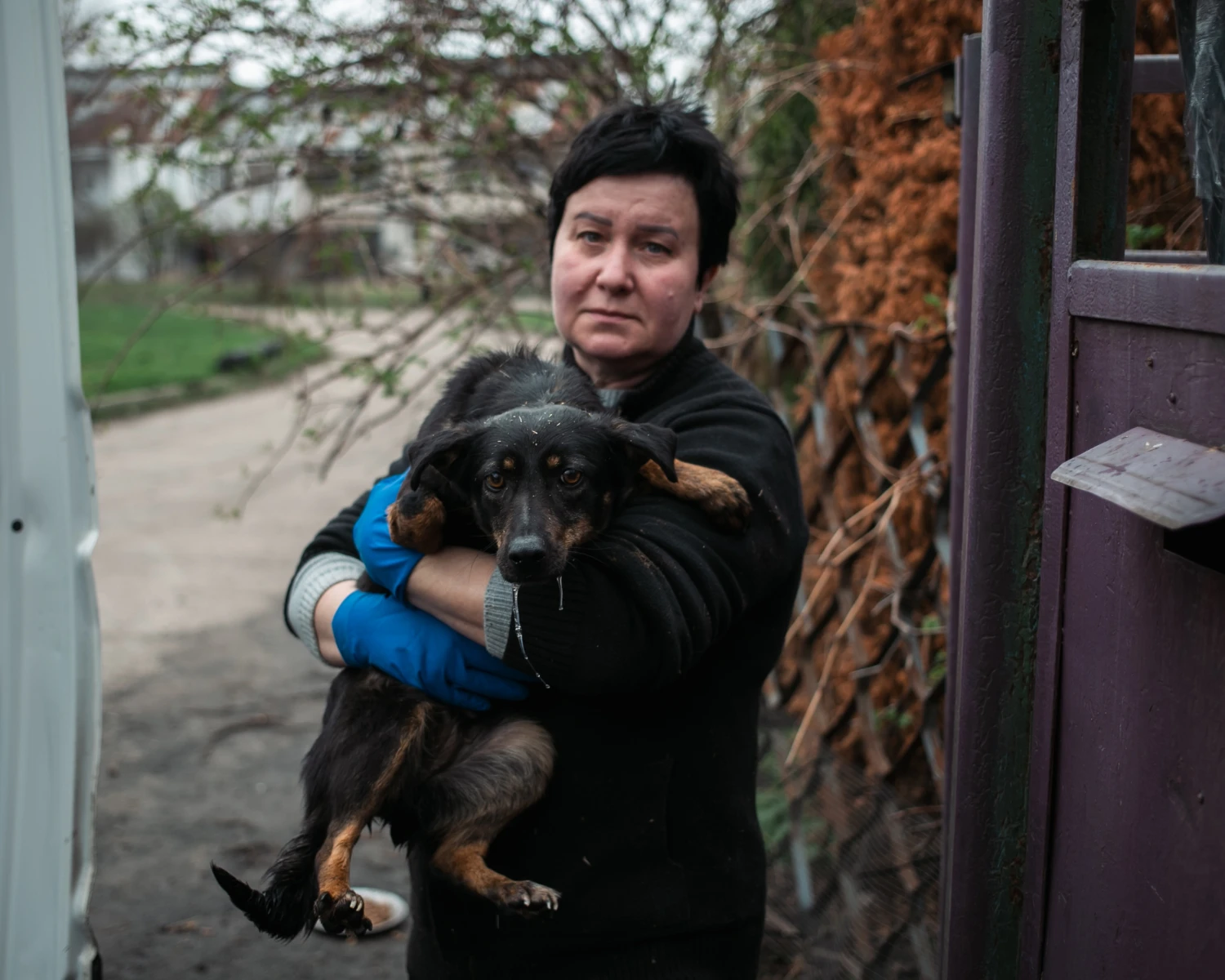
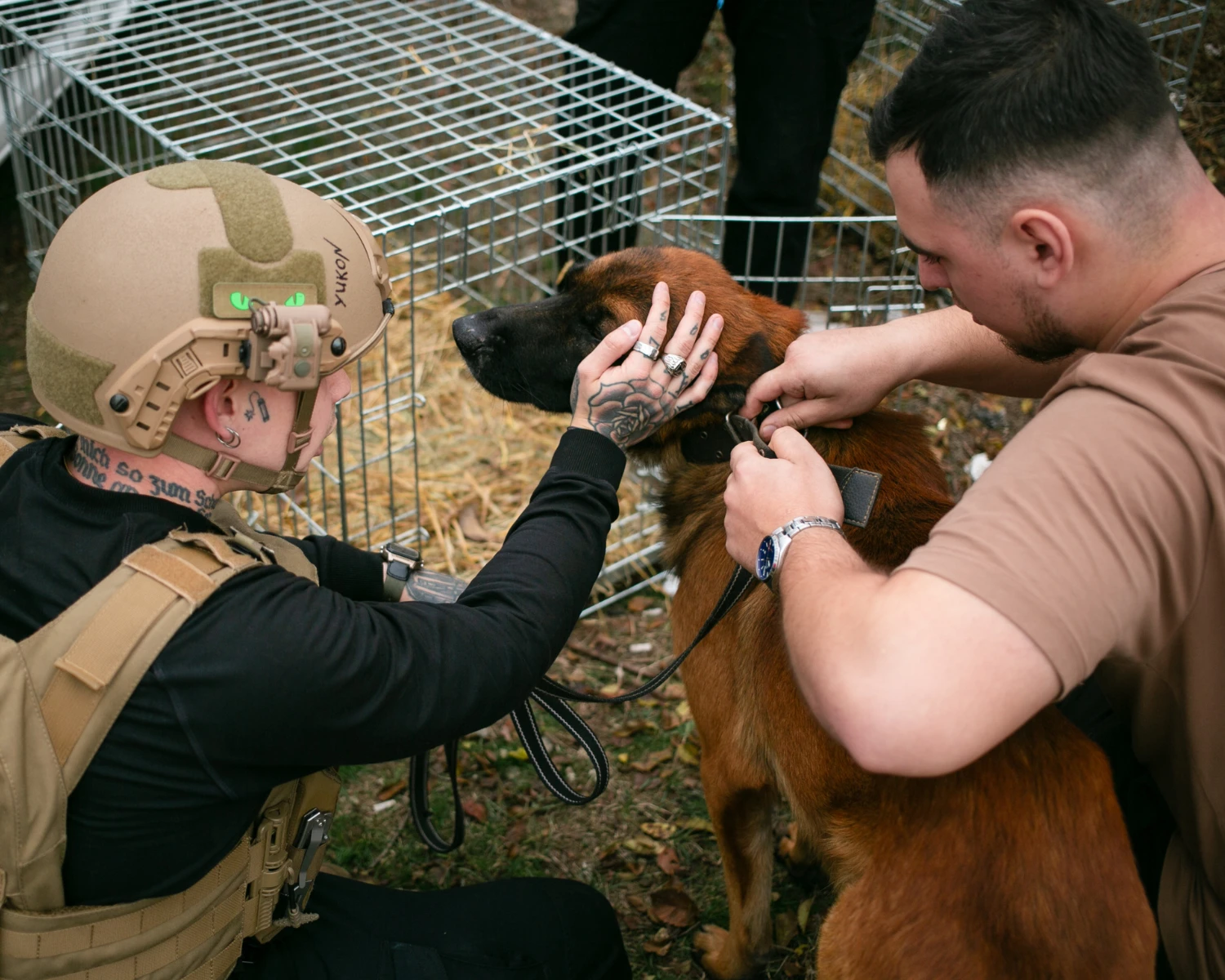
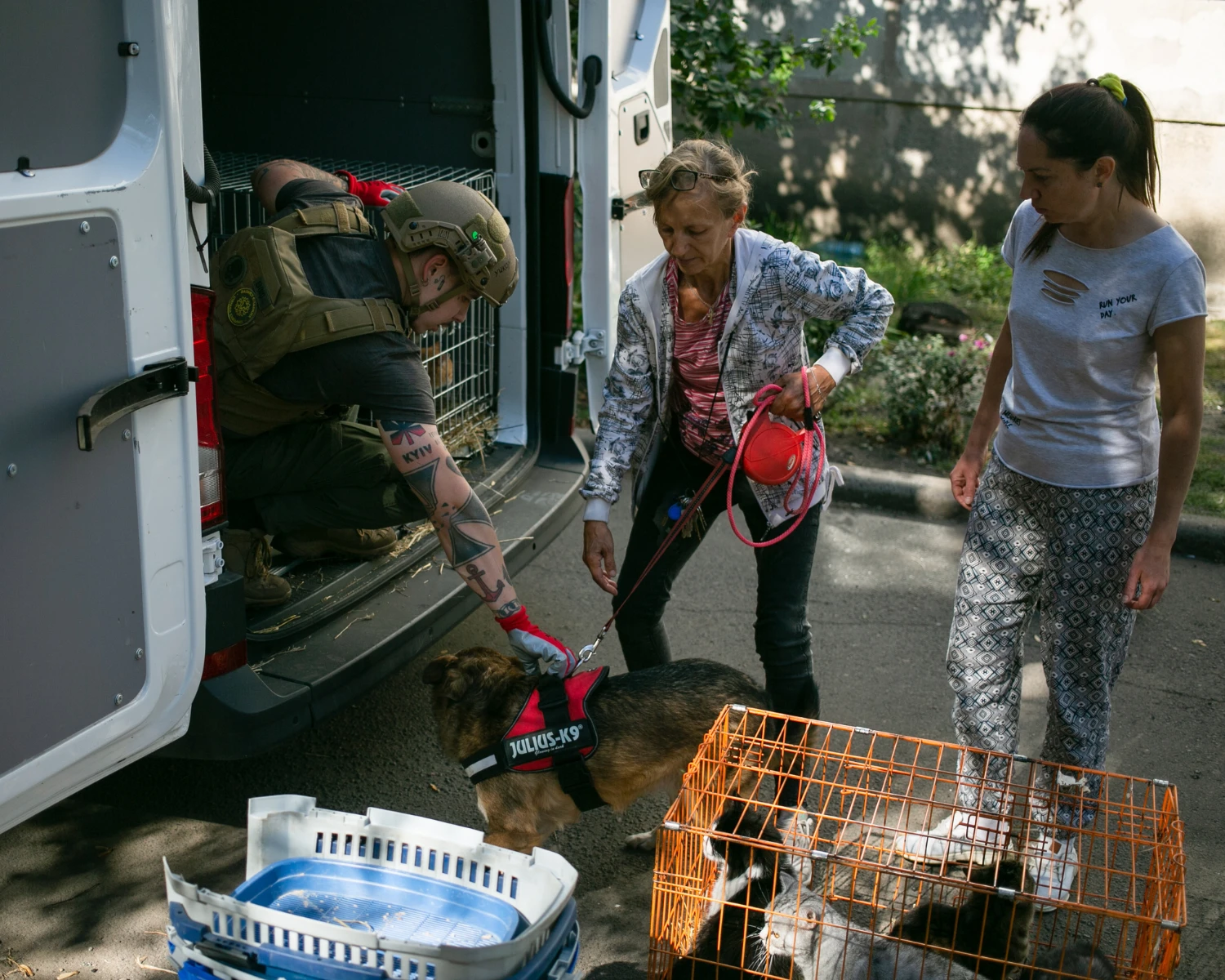
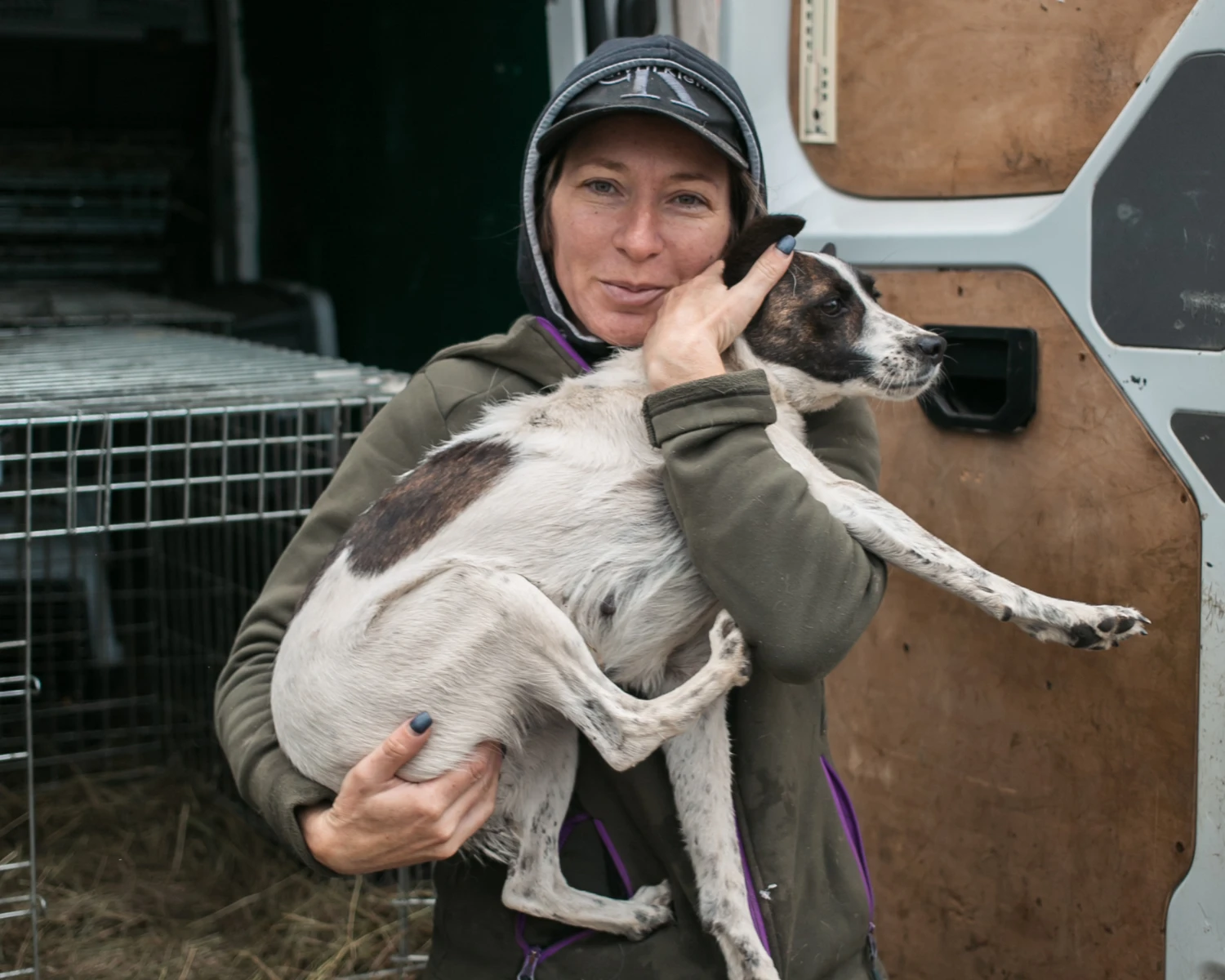
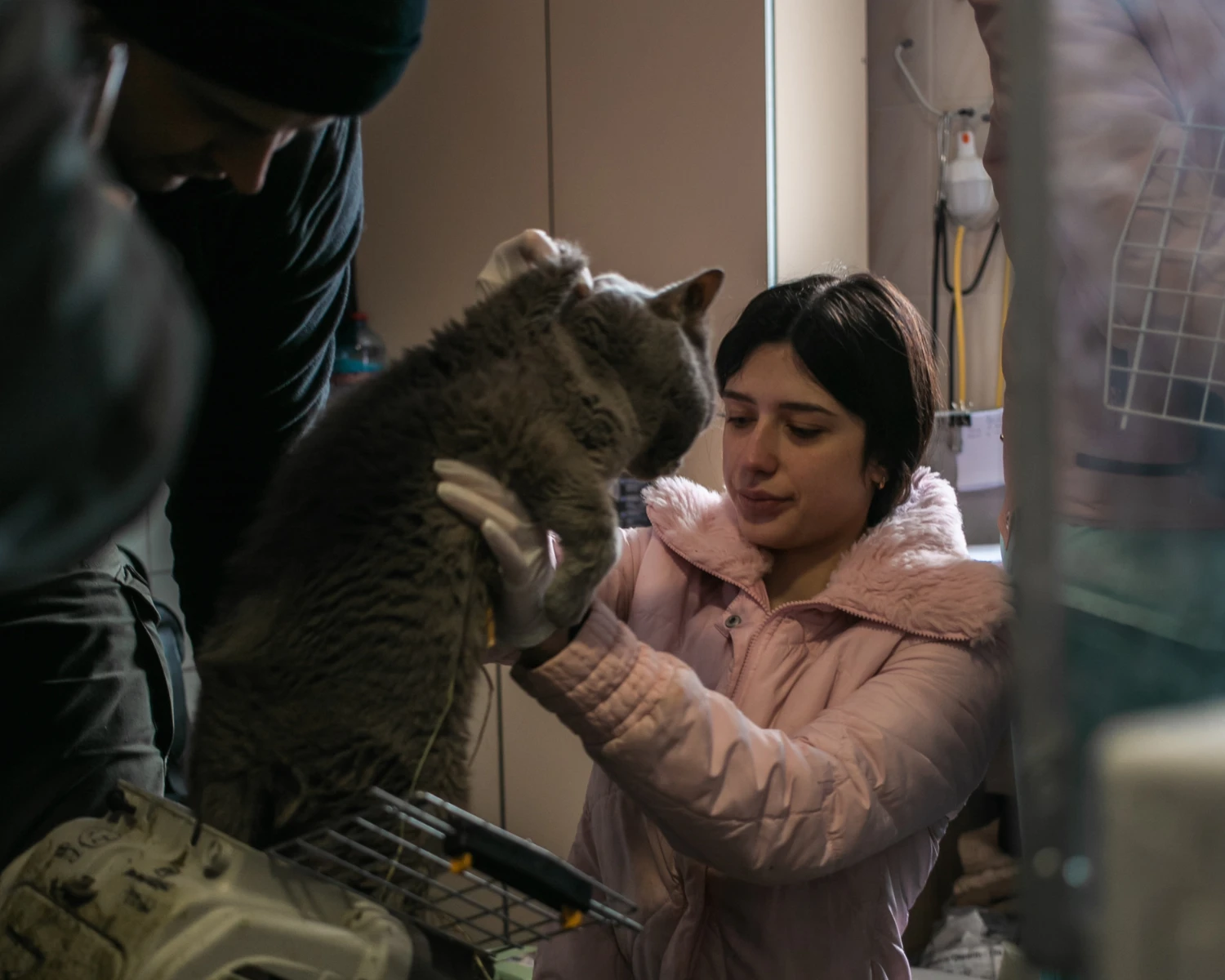
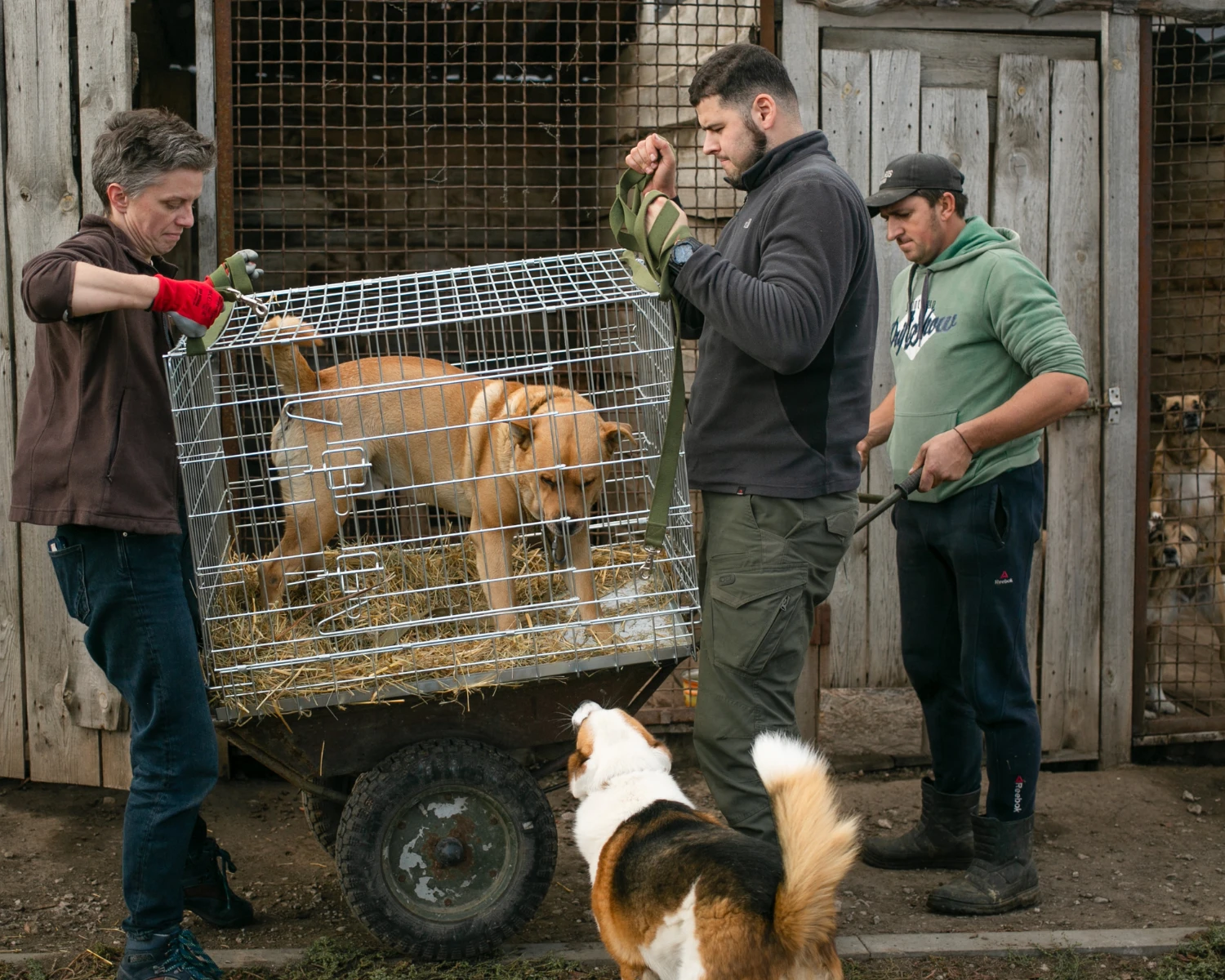

Stories of animal rescues from combat zones are often filled with pain and heartbreak. Sometimes, it’s hard to find the right words, like in the case of a couple from the Donetsk region who had to say goodbye to their sheepdog Kara, raised from a puppy. They were forced to give her to another family after the Russians destroyed their home with a KAB bomb, and the dog miraculously survived. In moments like these, one thing becomes clear: the most important thing we can do is save the animal’s life and hold on to the hope that one day the family will be reunited. Just like Tymos, a cat who ran away in fear during evacuation but was later returned to his owner.
So, together with Nina Neronova, animal rescue and evacuation project manager, and Olga Viter, evacuation manager, we explain what the full evacuation cycle looks like. Why even our strongest desire to respond to every «Please, take the animal» isn’t always enough, and how cooperation with owners and caregivers helps us save as many lives as possible.
Of course, everyone hopes for the best. People want to stay in their homes with their pets. Many hold on until the very last moment, hoping the situation will stabilize and they won’t have to leave. But we see a very different reality.
Nina recalls that one day UAnimals received a request for an evacuation from Kostyantynivka: they asked us to take one dog, 46 cats, as well as a woman, her child, and her mother.
We responded, but at the last moment the woman changed her mind and postponed the departure, hoping that the shelling would stop soon. Then she called again, asking for help, and once again changed her mind.

«I called her then and told her we had to leave immediately; there was no more time. Despite being unsure, she agreed, so we evacuated them all to a safe place. Shortly after, her building was hit, and their apartment no longer exists. Later, the woman called to thank us because they were all alive and well,» — Nina, animal rescue and evacuation project manager
That’s why we ask people not to wait and to seek help while it is still possible for rescuers to reach the settlement and provide assistance.
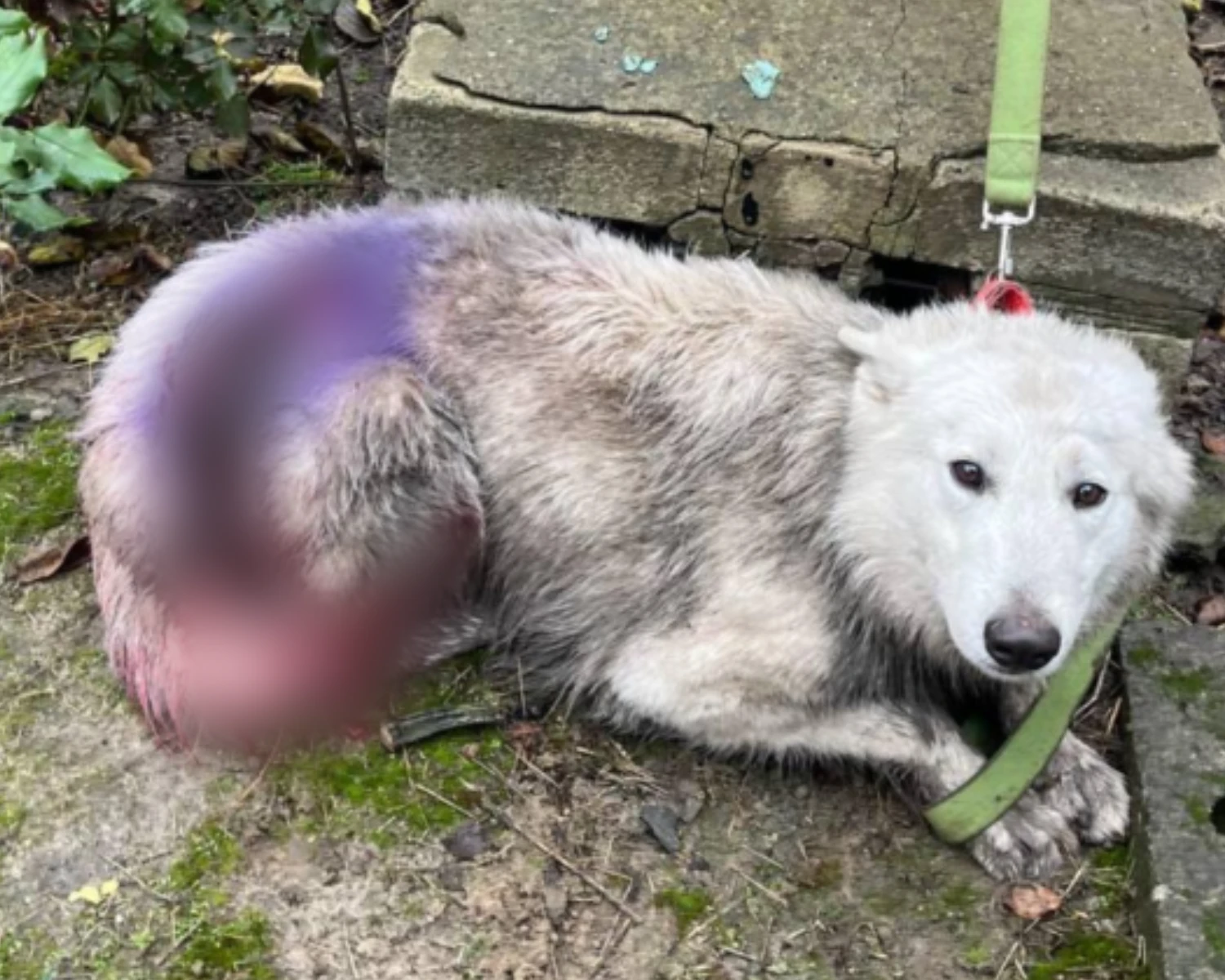
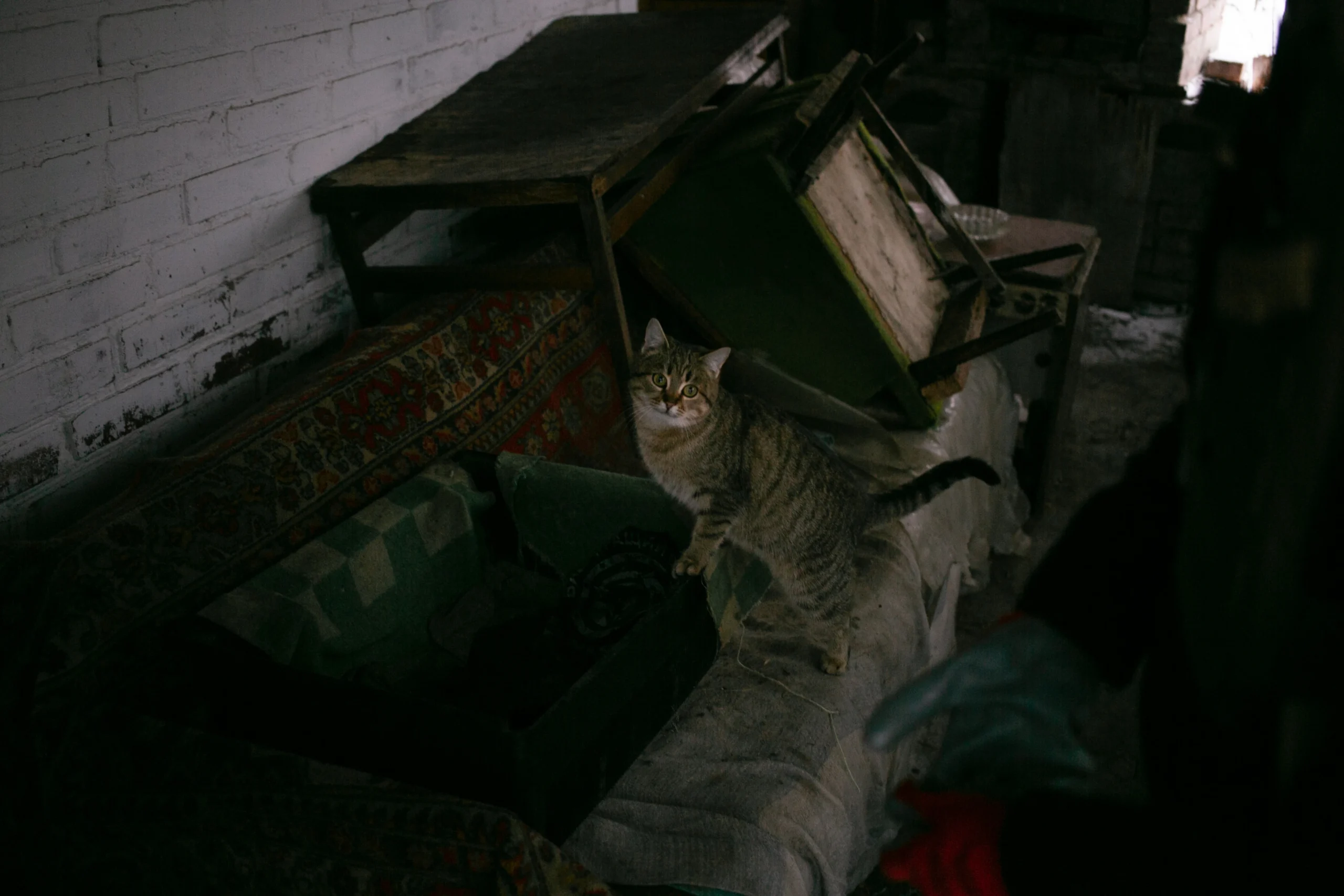
Animals left behind (or abandoned) in frontline communities, often completely deserted, are doomed to starvation, dehydration, and no way to keep warm or hide from shelling. Unfortunately, many animals die simply because there is no one to provide medical care after strikes. As a result, they suffer horrific burns, live with half-torn-off paws, and shrapnel in their bodies begins to fester.
Evacuating an animal in time means preventing this inevitable, horrific scenario from recurring each time the front line moves. That’s why our team is doing everything possible and impossible to organize as many trips as possible to places we can still reach. We wish all it took was a carrier, a vehicle, and a driver, but it’s much more complicated than that.
Every evacuation is a long, multistep process.
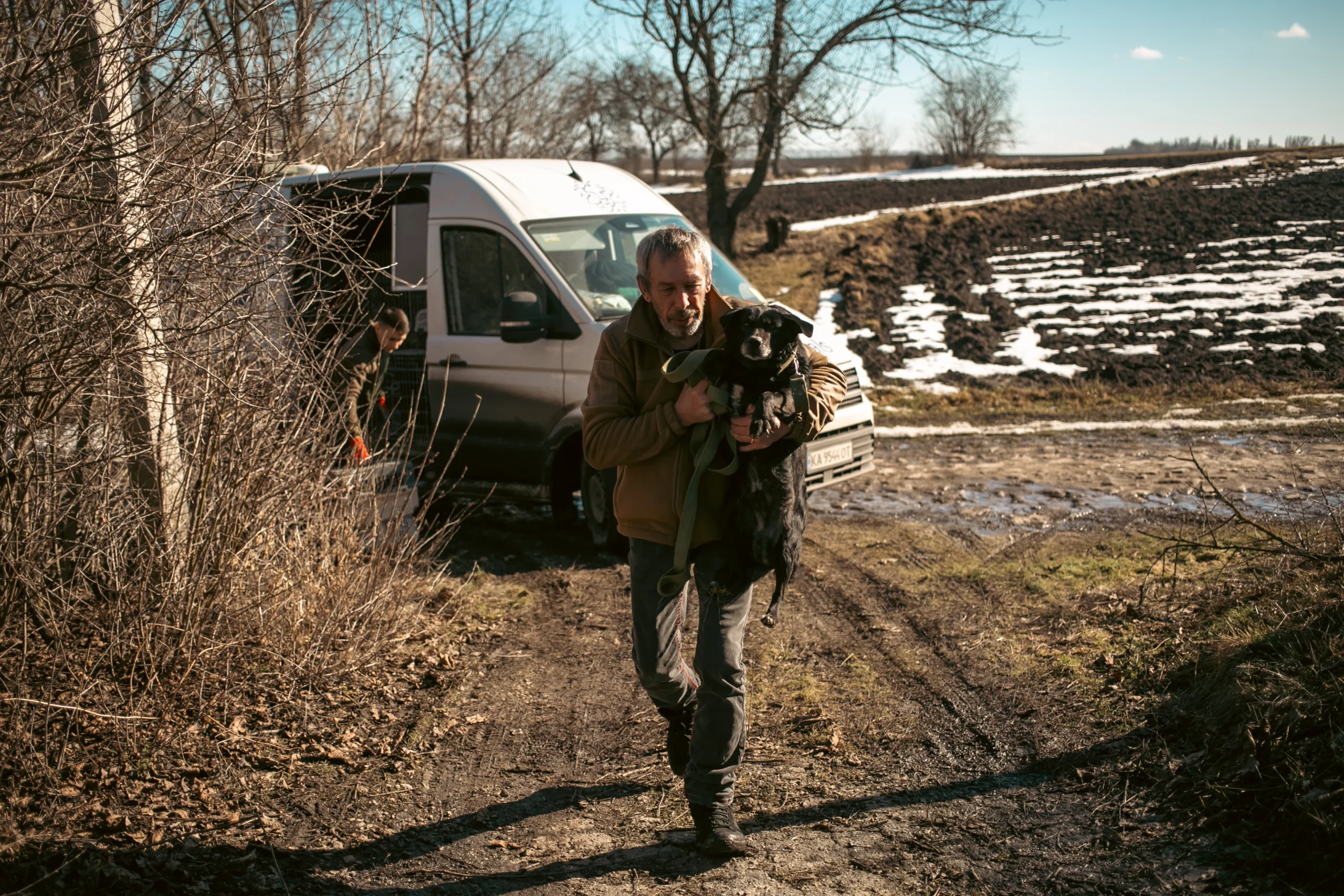
It begins with preparing the team and equipping them with all the protective gear available to us. It continues with logistics, which have only become more complicated over four years of full-scale war. The roads, bridges, and routes that were relatively safe just six months ago are now either gone or have become exposed to the enemy, and we can no longer use them. The changing nature of the war also affects rescue operations. A huge number of drones, which literally hunt down rescue vehicles, pose an additional risk to the evacuation team and the animals.
«Sometimes, to get from one settlement to the next, we have to take a detour and spend 2–3 hours driving around so the team can safely reach the destination,» — Nina, animal rescue and evacuation project manager
Evacuation involves dozens of calls and messages, as well as checking the route’s safety and departure time. We also coordinate with military personnel, as special permission is required to enter certain settlements. This also slows down the work and sometimes makes it impossible, since we don’t always receive this permission.
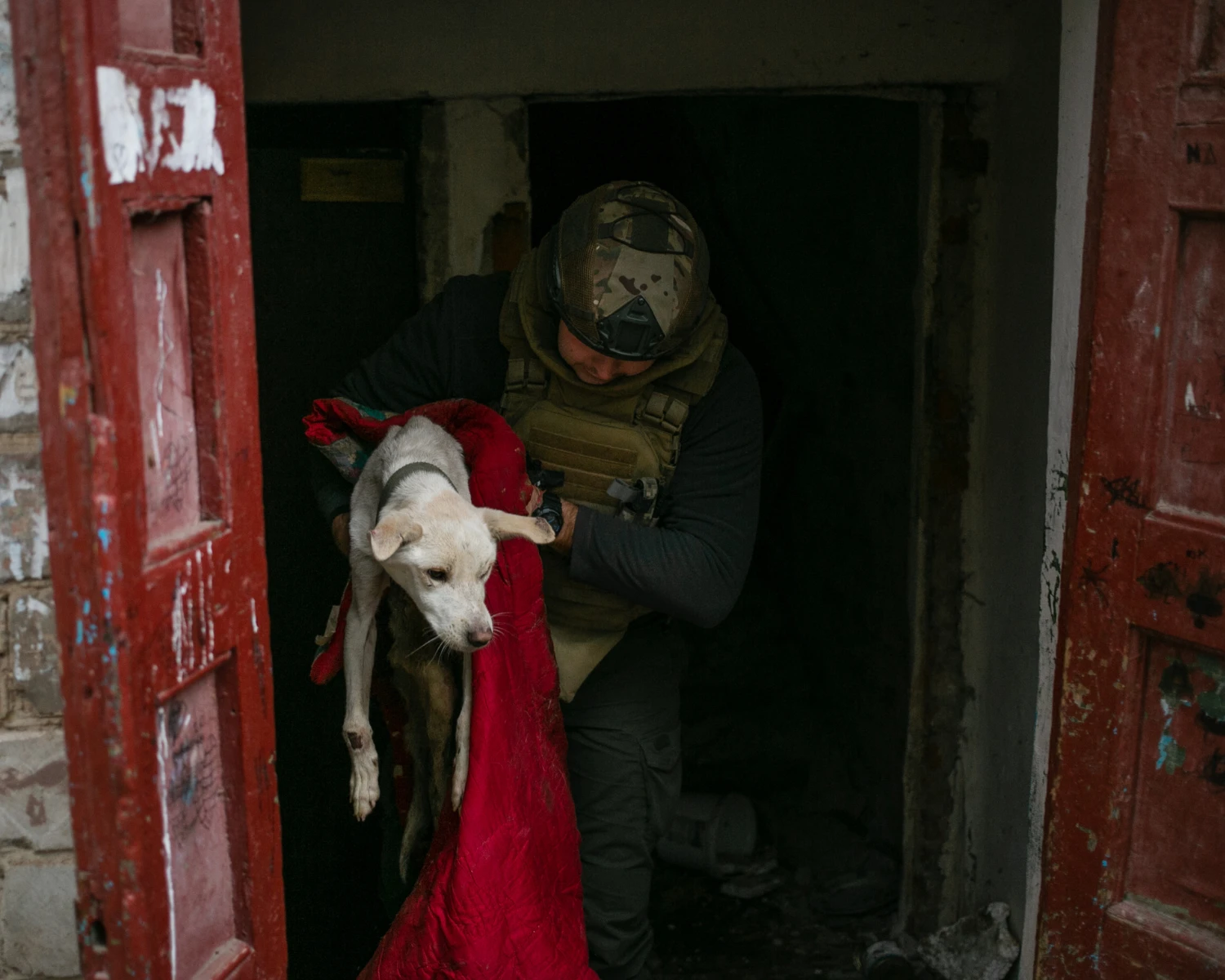
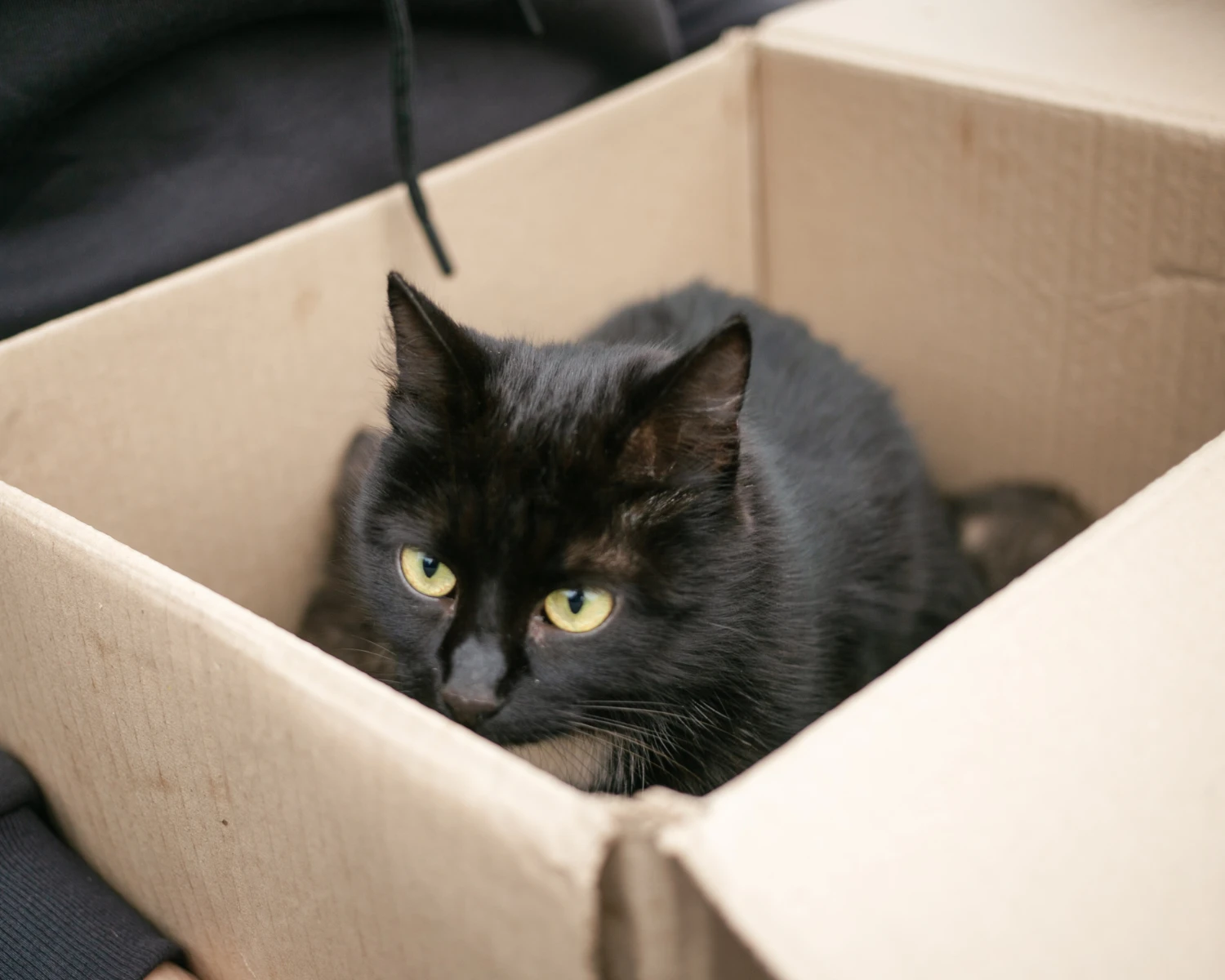
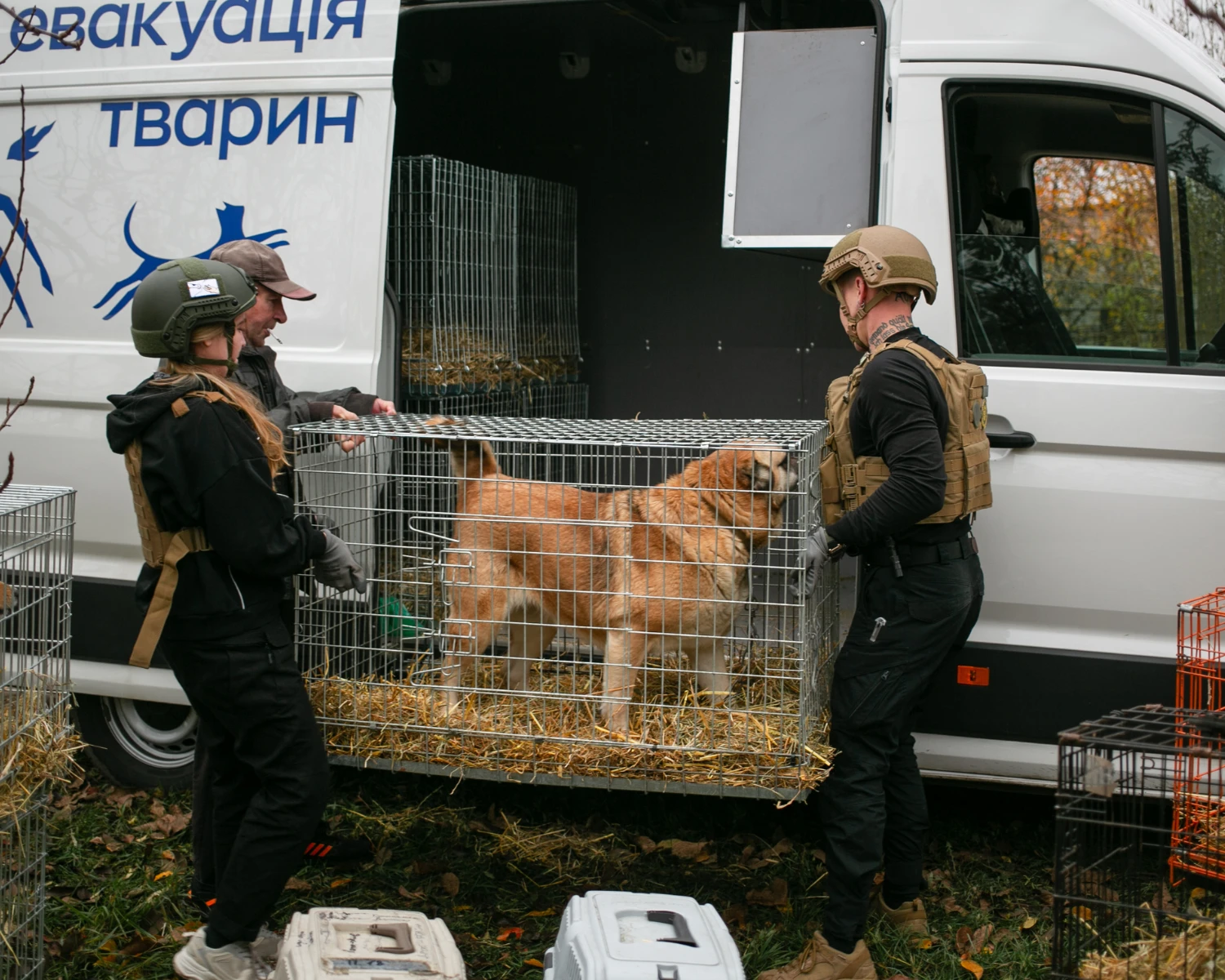
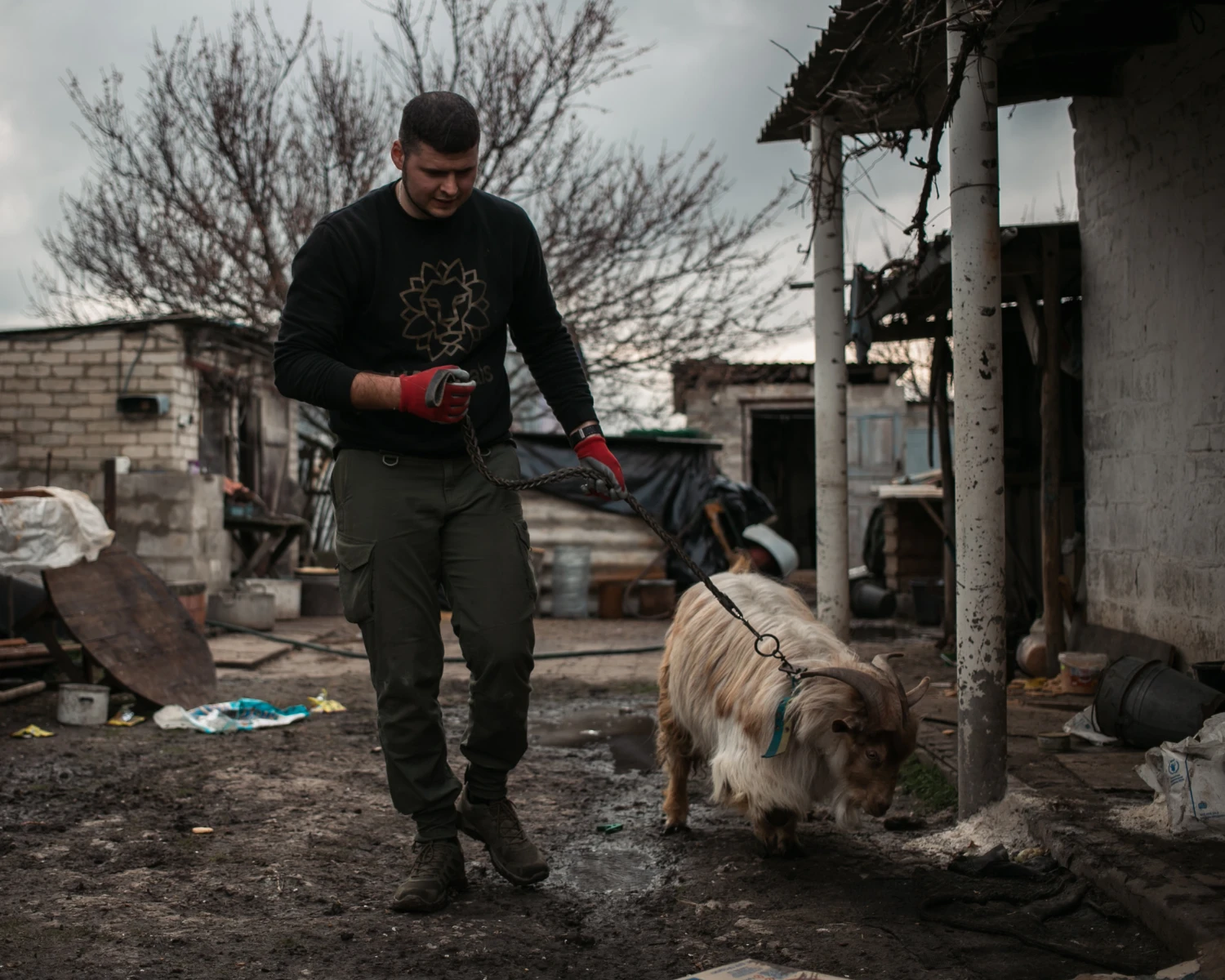
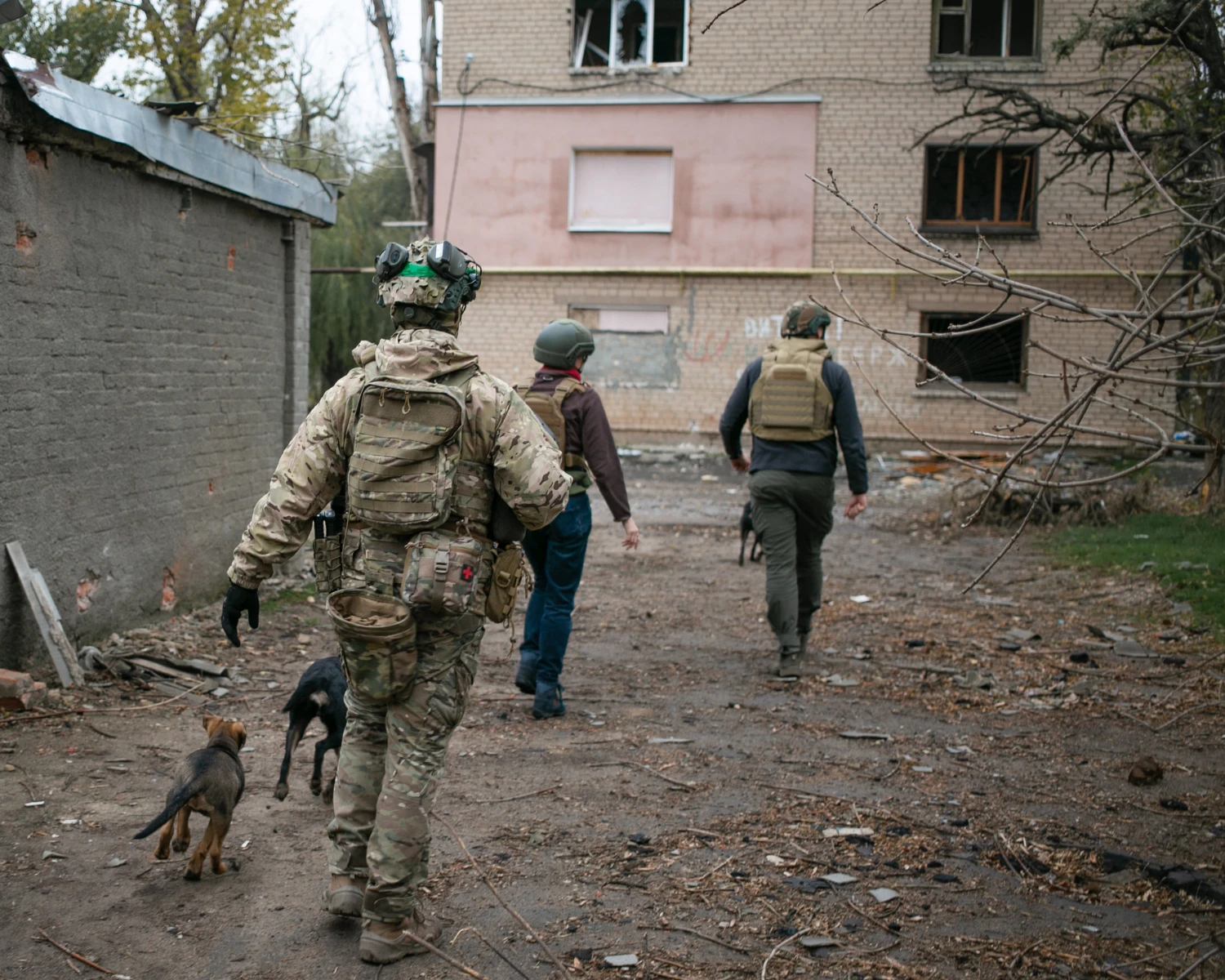
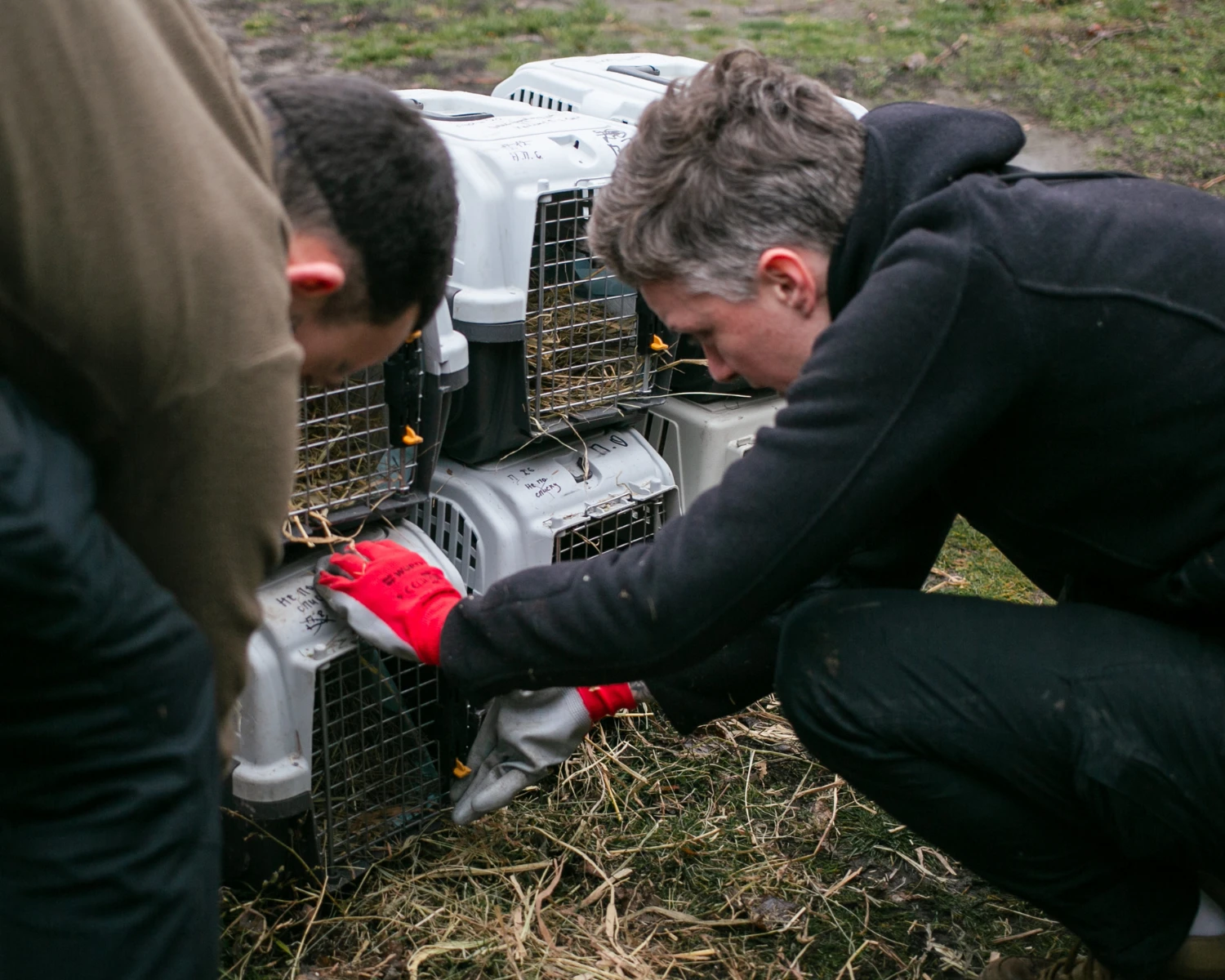
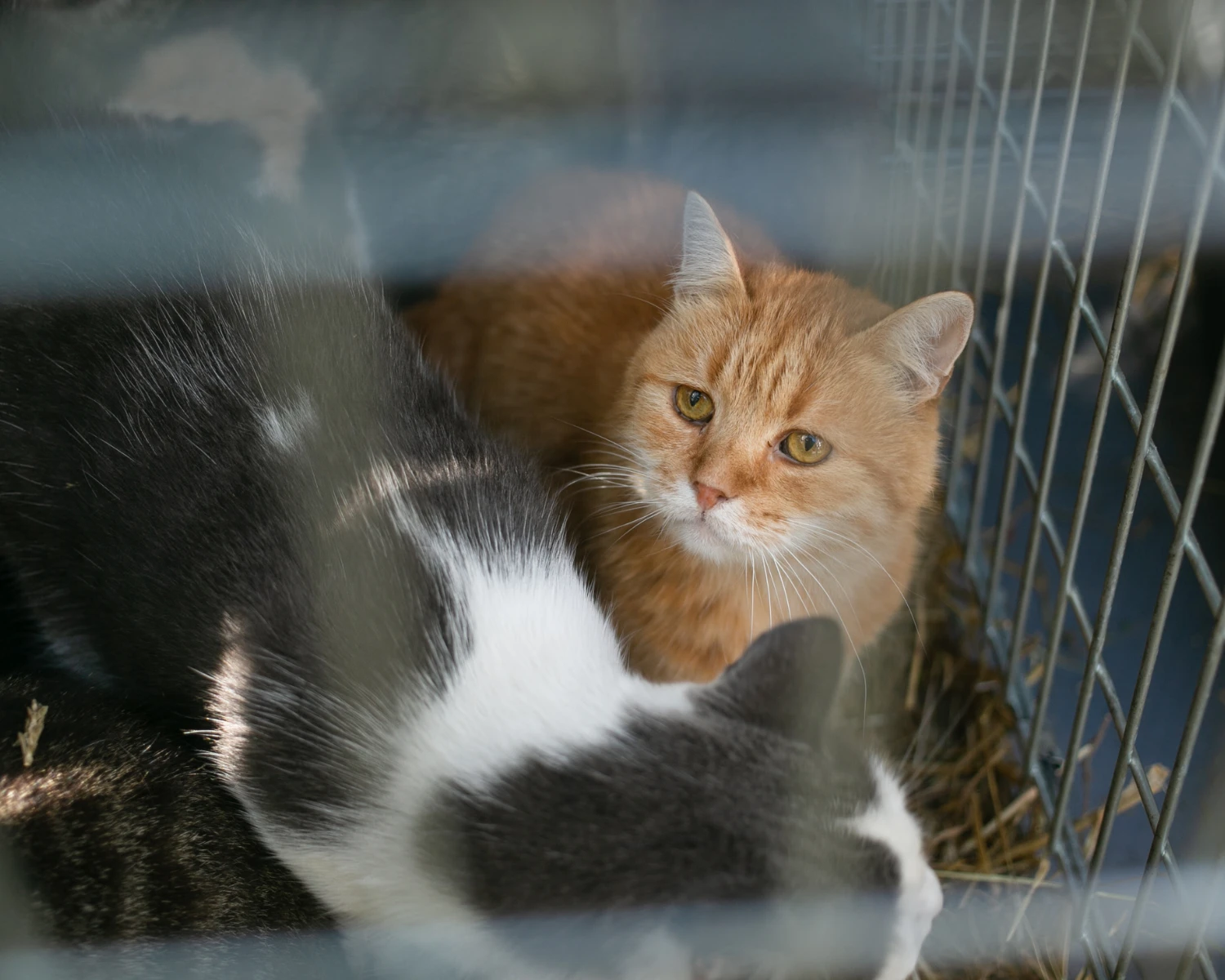
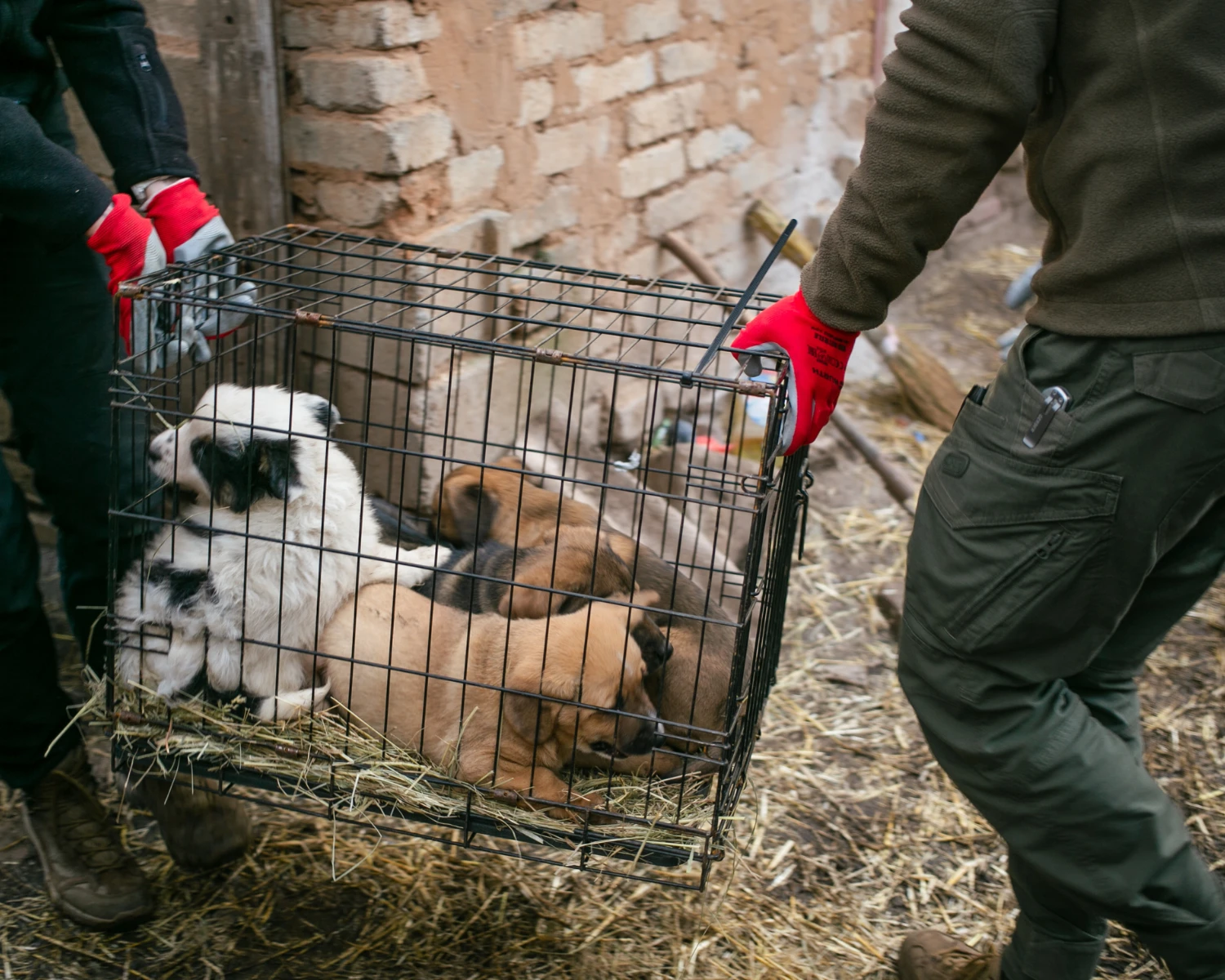
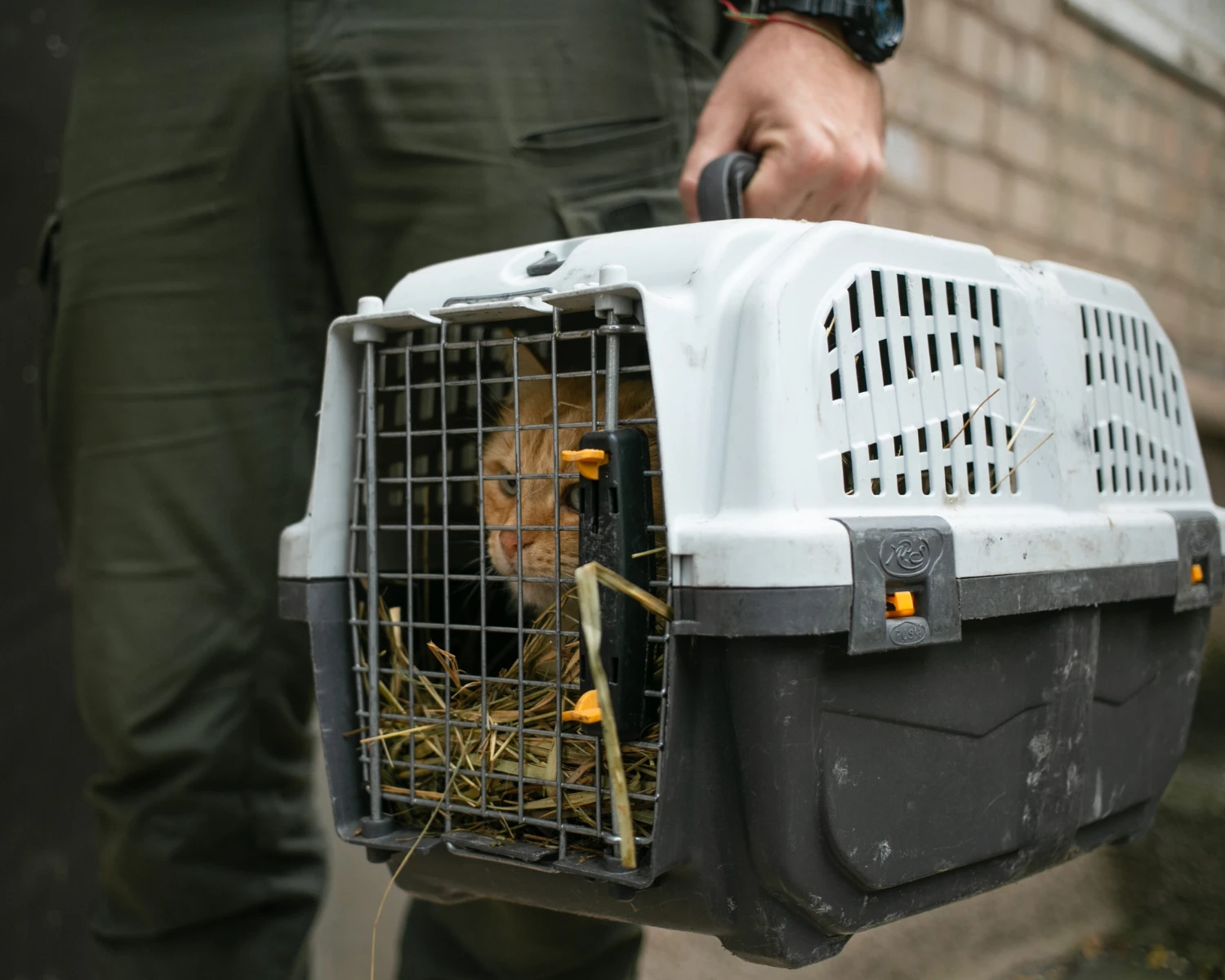
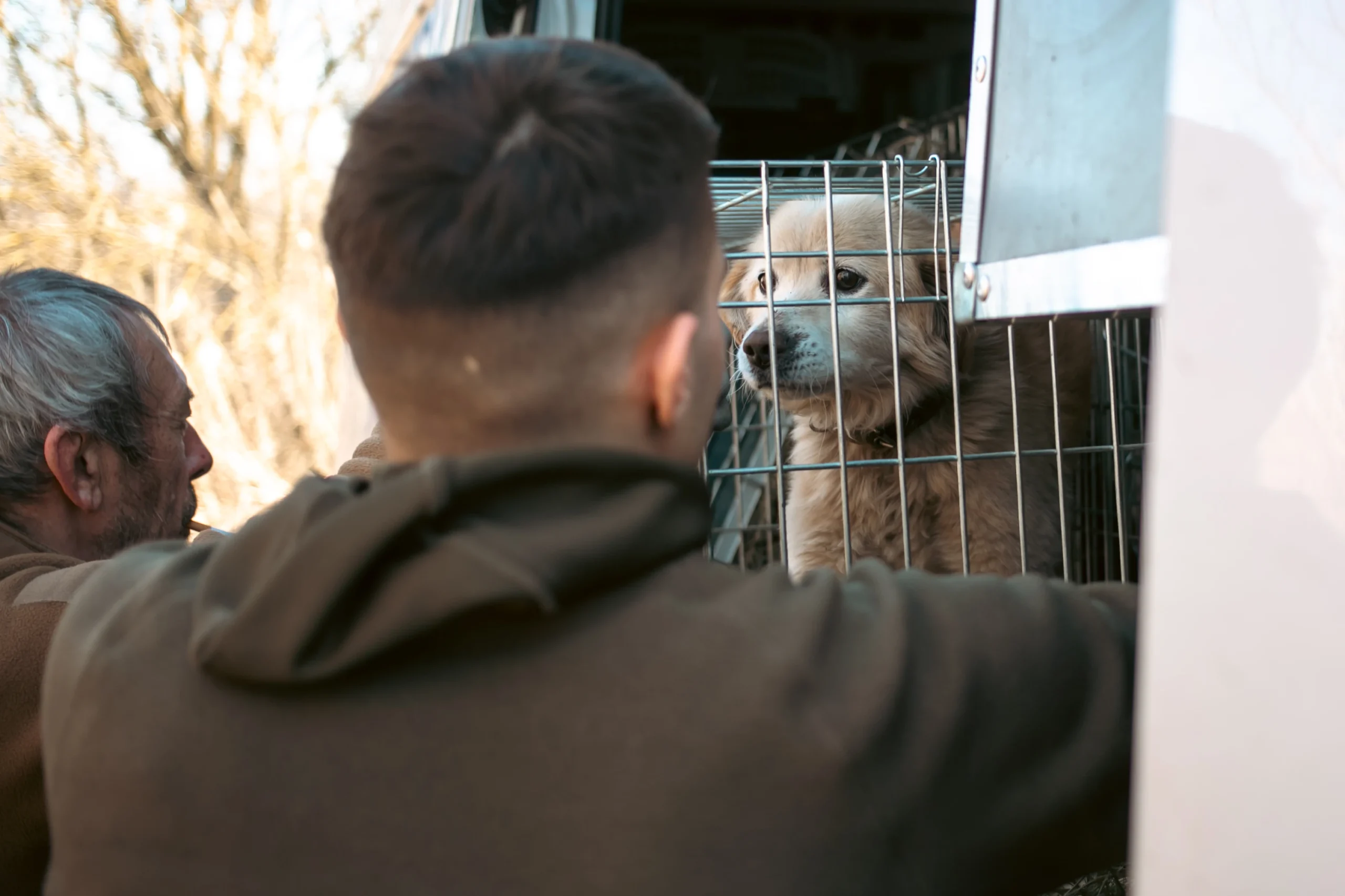
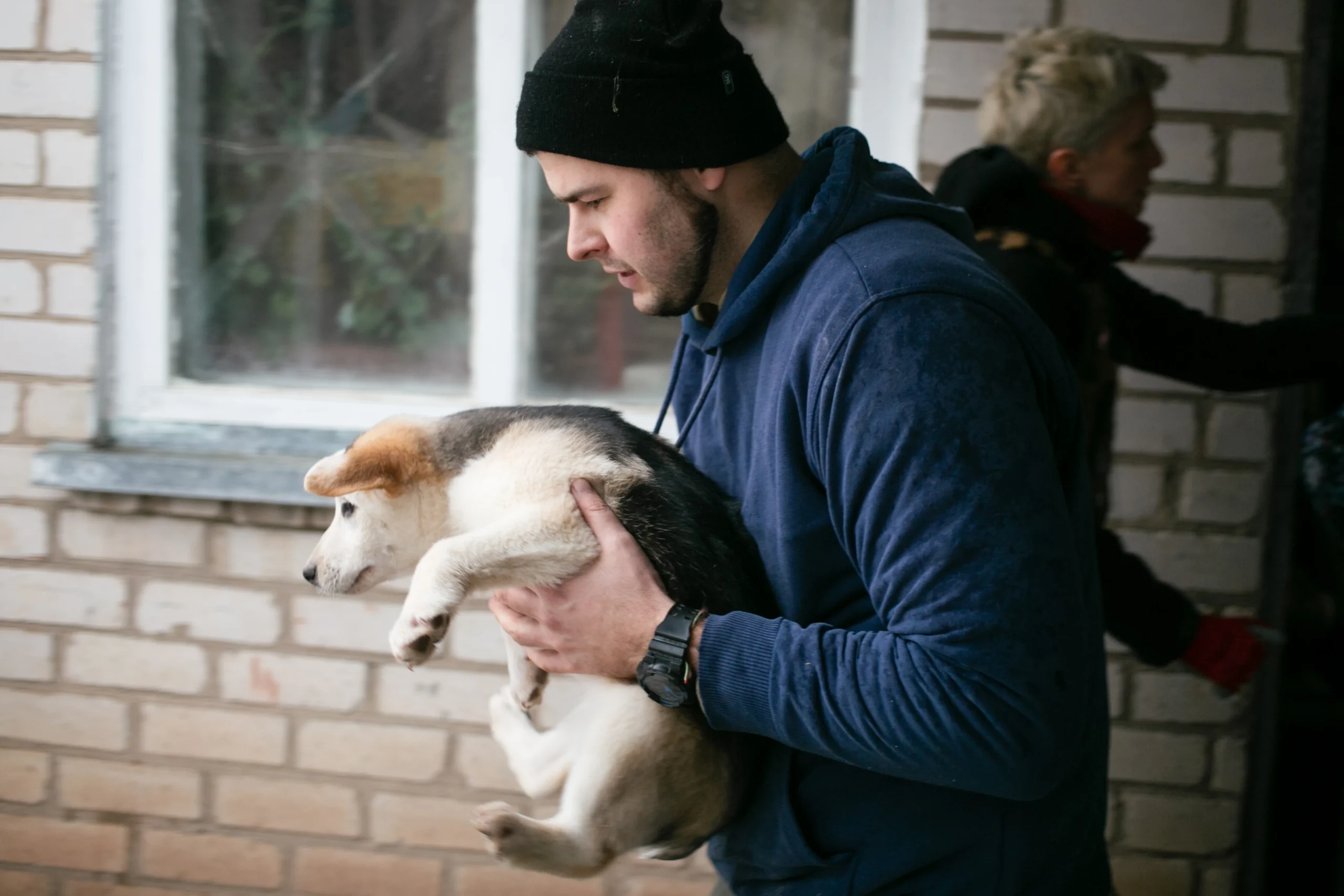
The process of interacting with animals isn’t always sunshine and rainbows. Sometimes they show aggression, sometimes they’re afraid, and sometimes they’re severely injured. In all these cases, our team looks for solutions to rescue a particular animal, transport it properly, and ensure its care during the evacuation.
«Sometimes we have to climb over a fence, sometimes break a window when an animal is locked inside a house without food or water. Sometimes we make it in time, and sometimes it’s already too late. And this is also a very stressful situation for every team member, because we worry about every animal and its future,» says Nina.
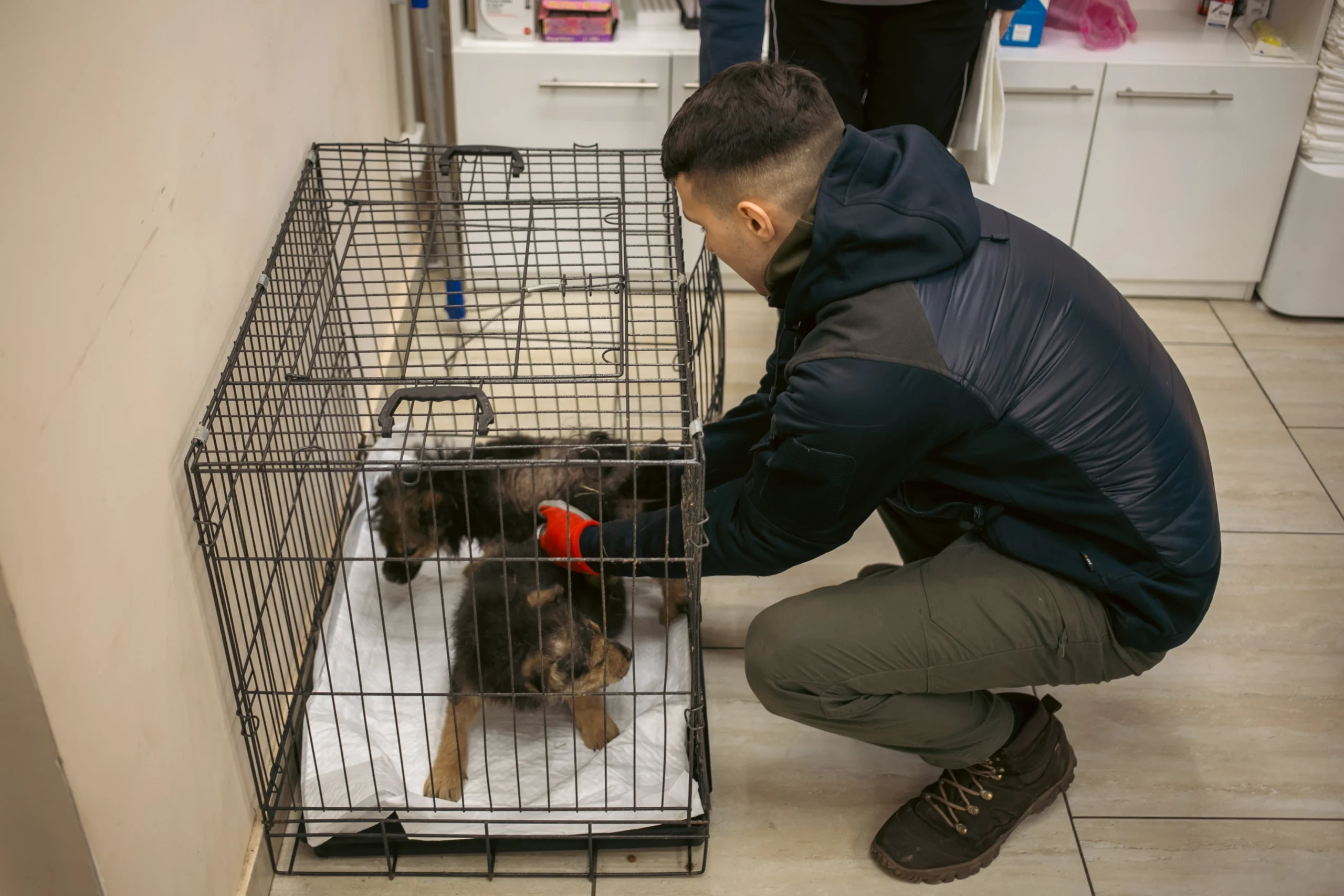
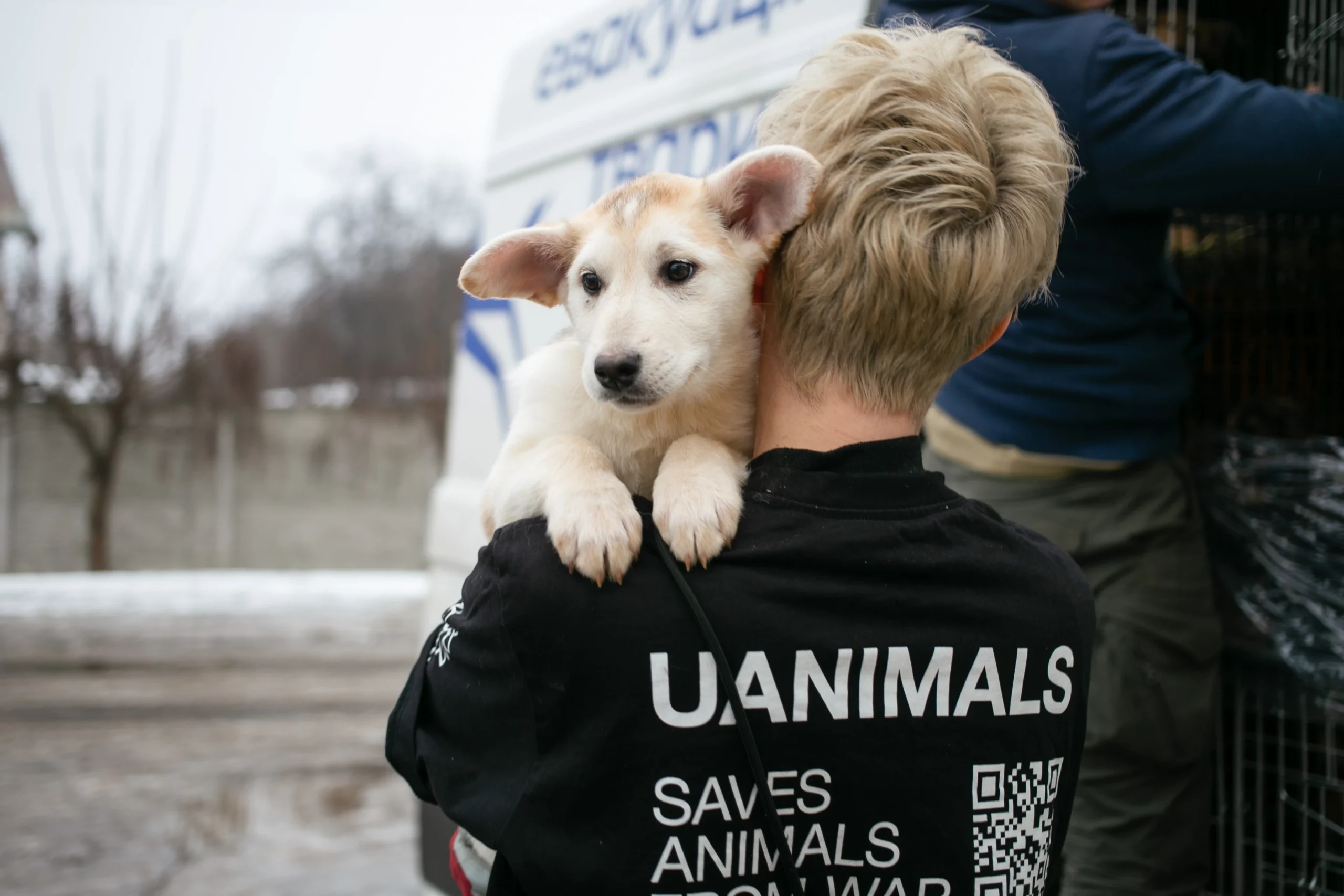
Although the search for temporary shelters and arrangements with veterinary clinics begins during the preparation phase, this work does not end after the evacuation. We continue to care for the animals after their rescue. We transport them to partner clinics where they are examined and, if necessary, treated and nursed back to health.
Sometimes, due to difficult living conditions prior to evacuation (and sometimes despite treatment), animals develop chronic illnesses or require special care, such as a cat evacuated in March from the Sumy region. We understand that in such cases, finding a family is much harder and takes longer, but we don’t stop searching because we believe there are people willing to give love and care to any animal.
«Hello! Can you take my dog? I’m evacuating and can’t take him with me.»
We do receive calls like this. Sometimes people don’t look for rehoming options and shift all responsibility for their animals onto rescue workers. That’s why we strongly urge people not to abandon their animals and to seek shelter for them with relatives, friends, or acquaintances. Don’t give up if you can’t find a shelter right away. Keep trying again and again. Post ads, look for a family, look for a place where you can move in with your pets, knock on every door, but don’t abandon your animals to fend for themselves.
There are also completely different evacuation requests. From owners who have lost everything and are living in the ruins of their homes, waiting for our evacuation. From volunteers or simply caring people who cannot walk past an abandoned animal.
«People have lost everything, but not their spirit. They found shelter for the animals themselves and simply asked for help with the evacuation,» — Olga, evacuation manager
UAnimals considers requests to evacuate domestic, wild, and farm animals from people who have arranged on their own a place where the animals will be cared for afterward, with another family or at a shelter.
We can respond to a request without a specific final destination as an exception for soldiers.
They not only defend our territories but also try to shelter and rescue animals. So when a soldier asks us to take in animals that have strayed into their positions or have been injured and need veterinary care, we collaborate with partner clinics and shelters to help find temporary housing. For example, Ichi the dog now has a new loving family — and through them, she says hi to the soldier who brought her and her puppies from the front lines.
Sometimes these are stories of a special bond between defenders and animals. Nina recalls how a soldier, who was in the hospital recovering from an injury, asked for her dog—who had been left at the position—to be brought to her, because she couldn’t live without her, and pleaded to have her heart returned to her.
«Sometimes defenders pass rescued animals on to their relatives or take them home. But there are also heartbreaking stories: when relatives of fallen soldiers contact us asking us to take in the animals those soldiers cared for while on duty,» says Olya.
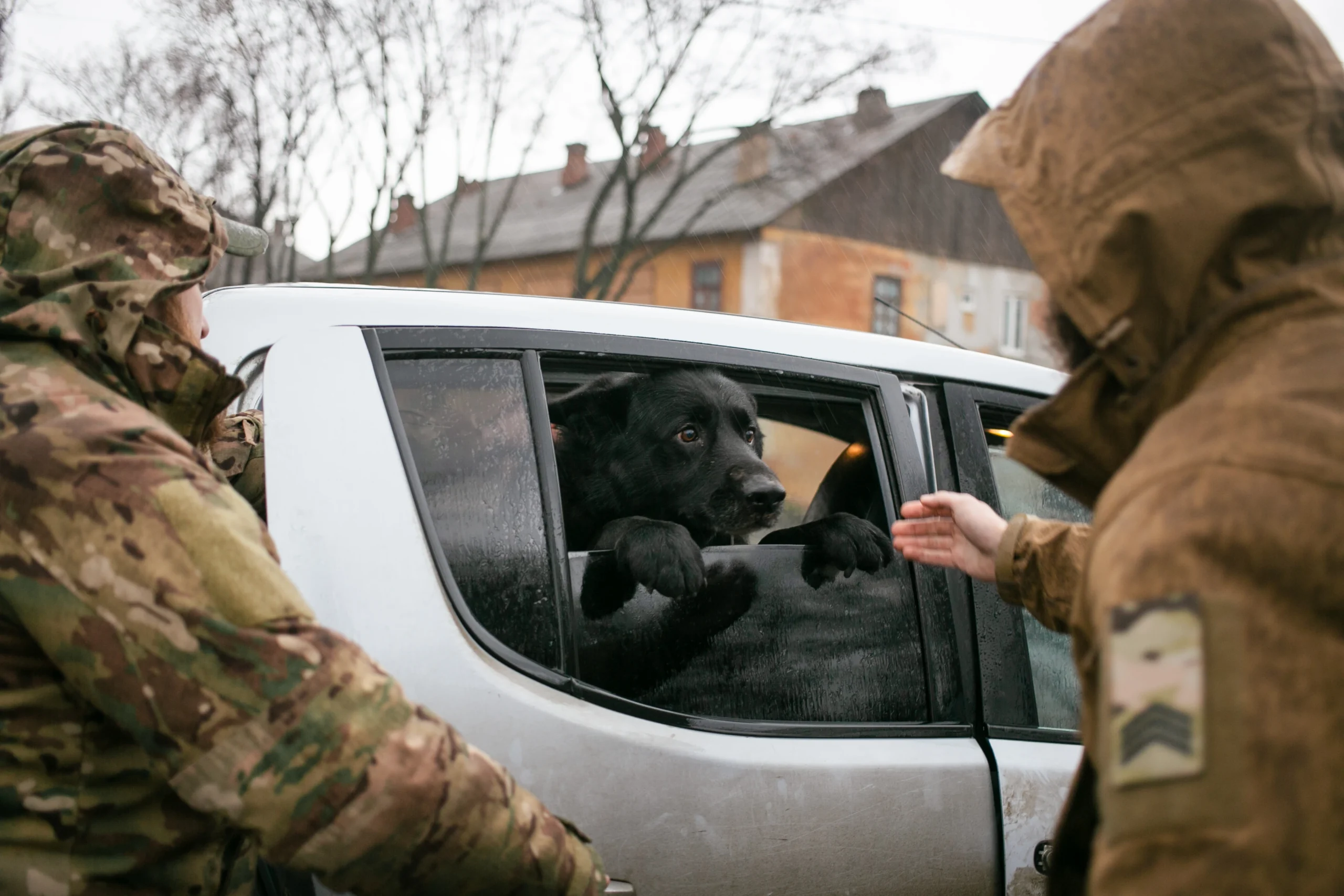
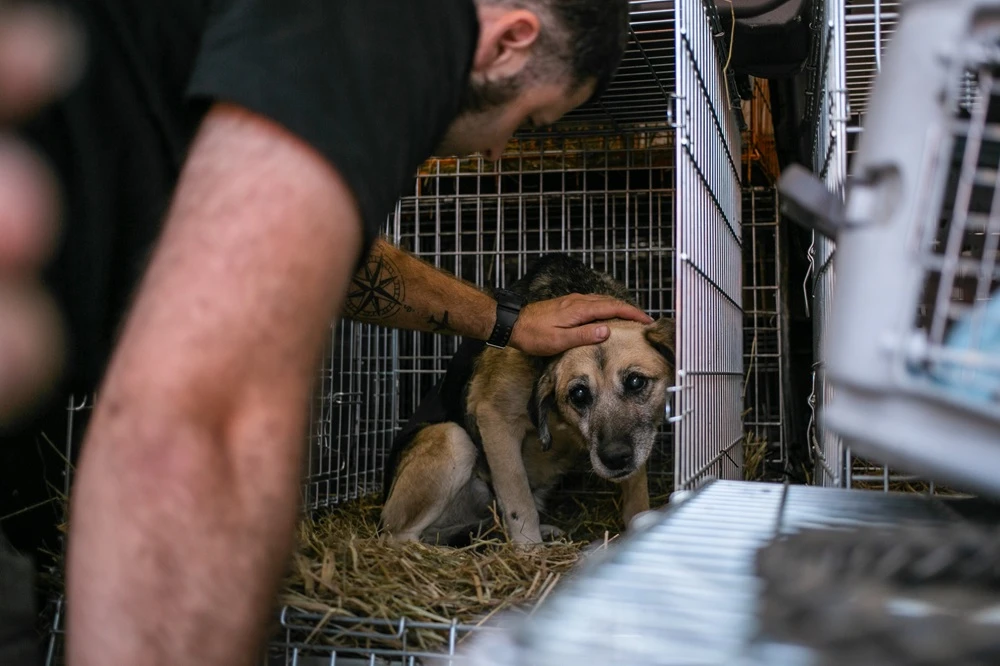
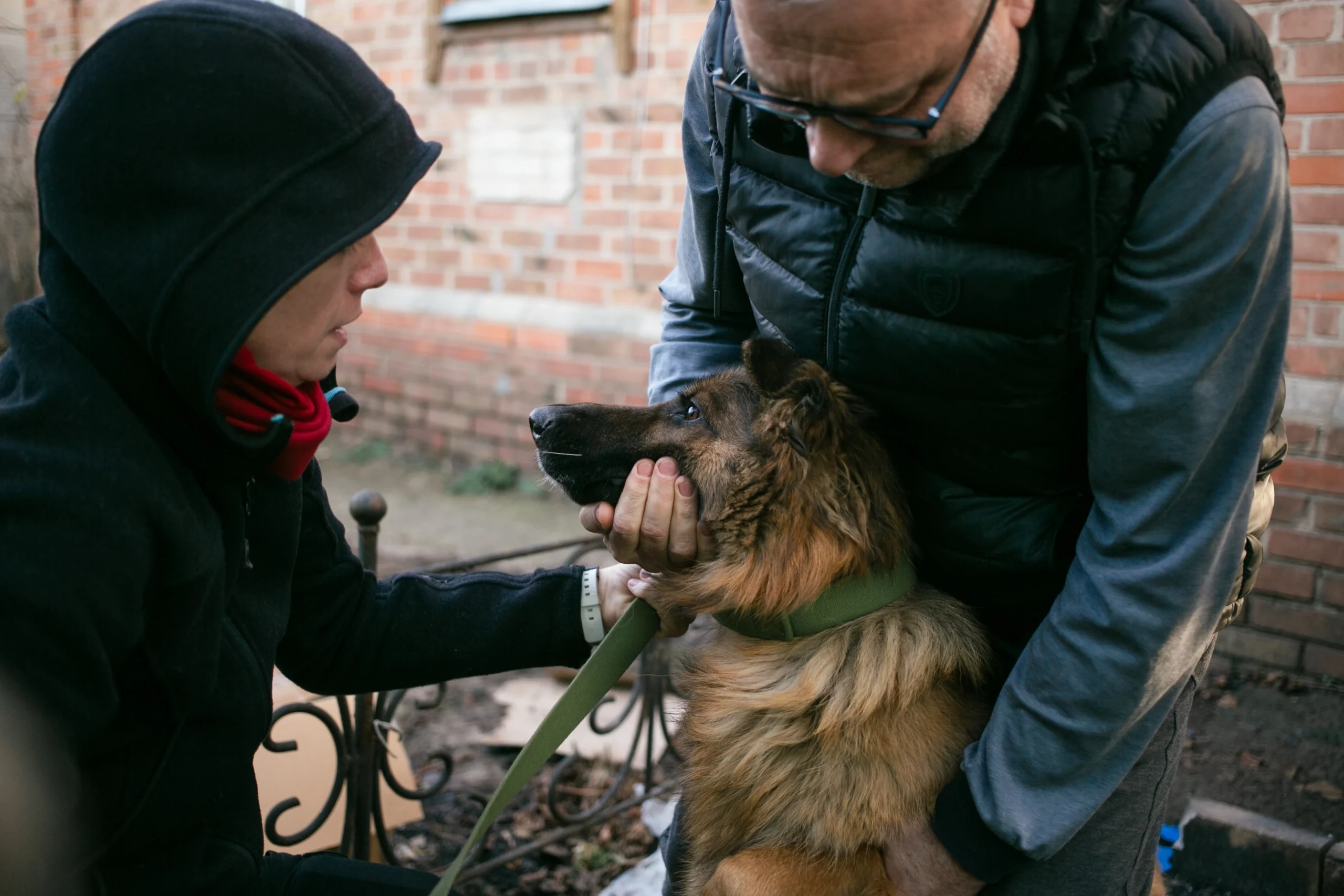
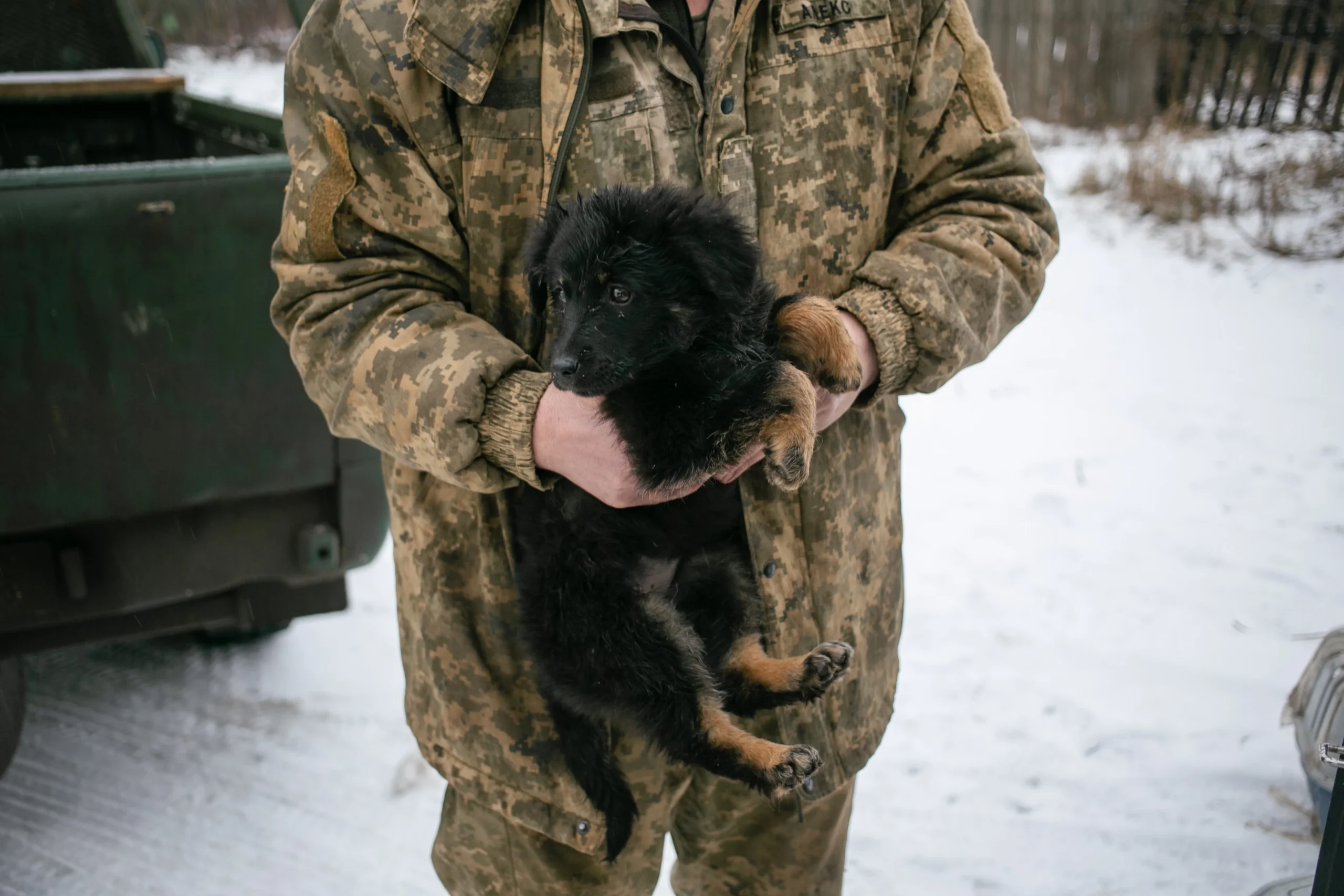
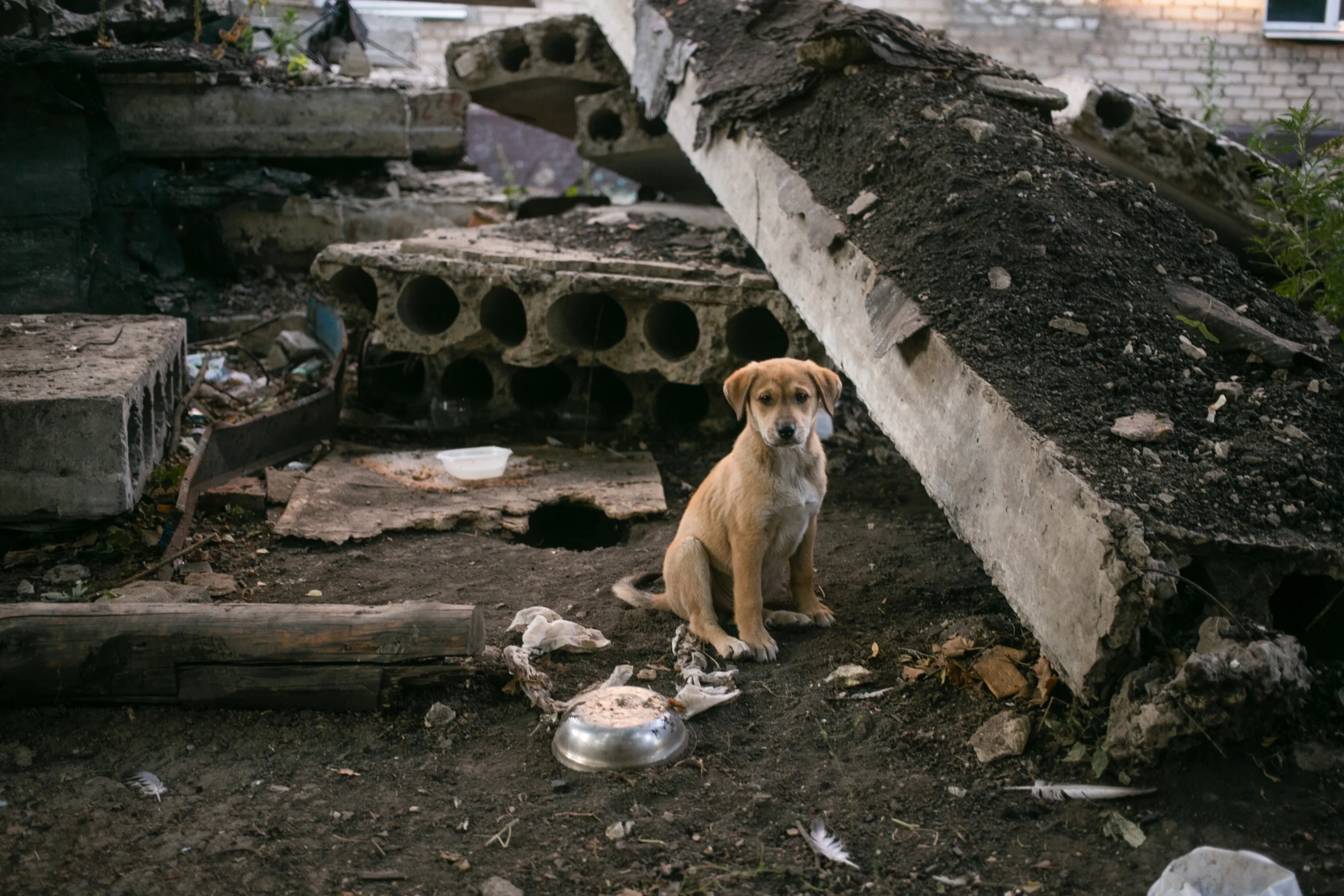
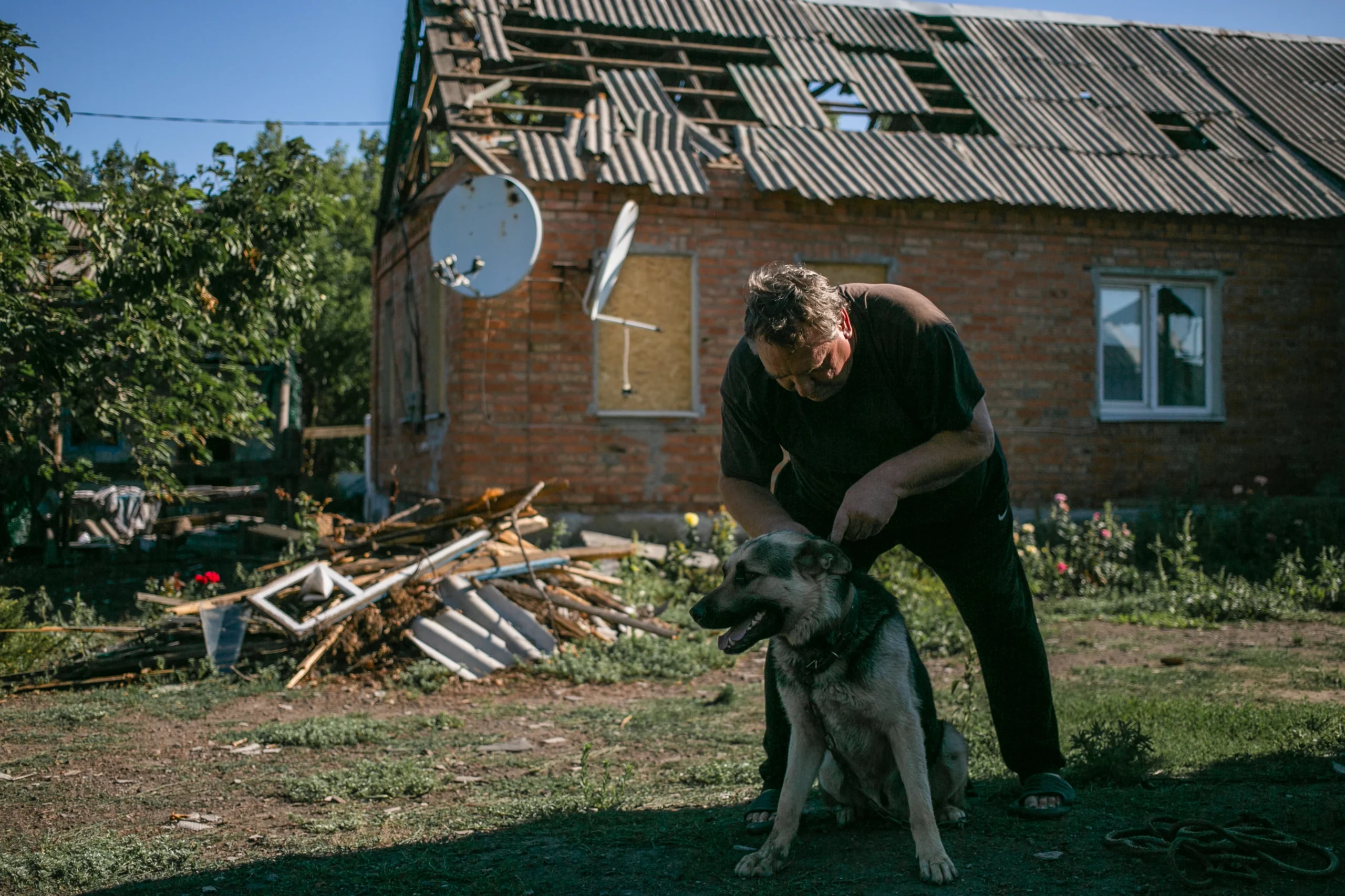
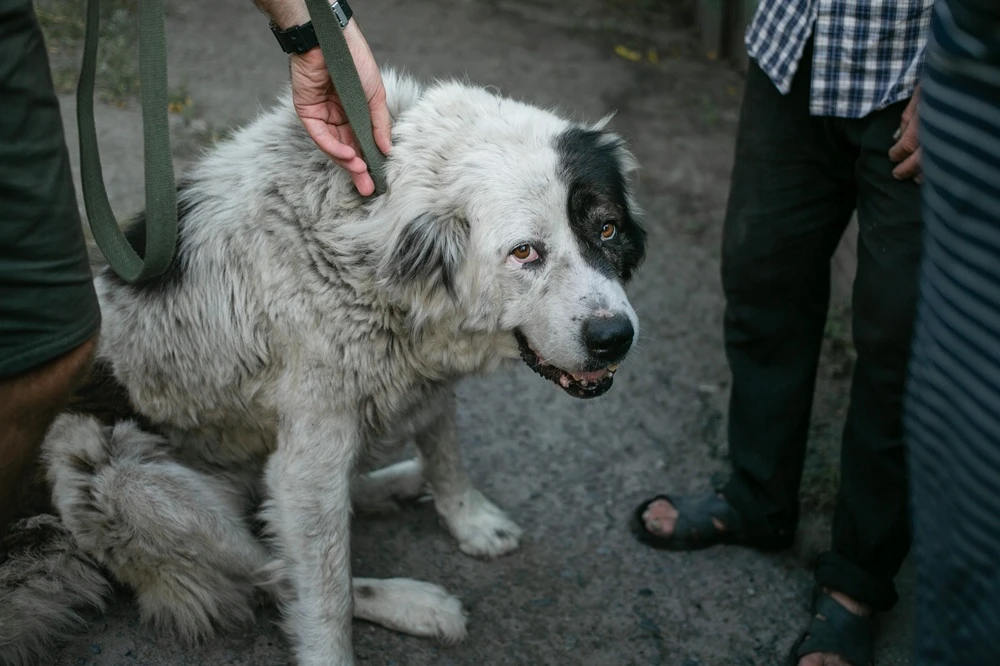
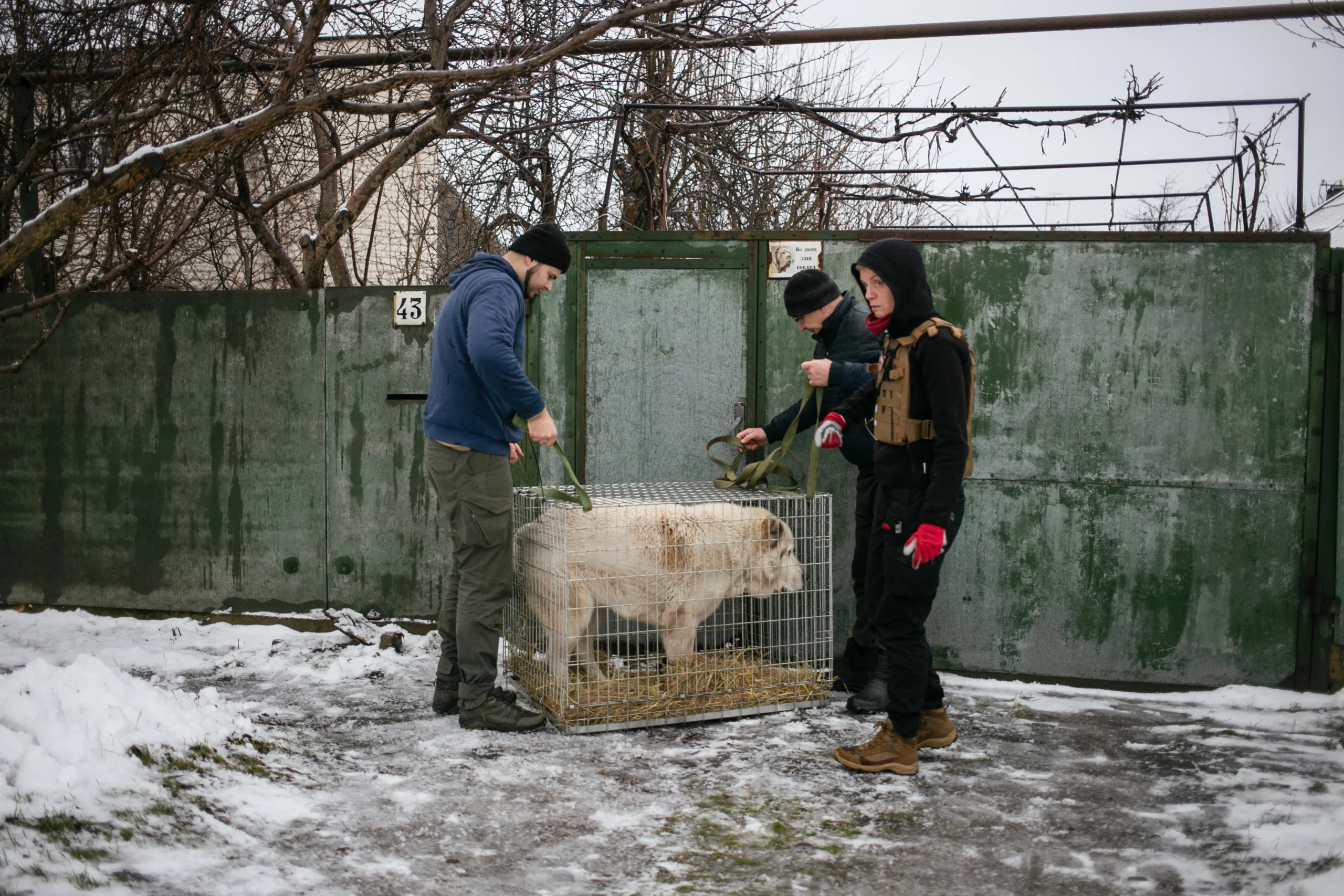
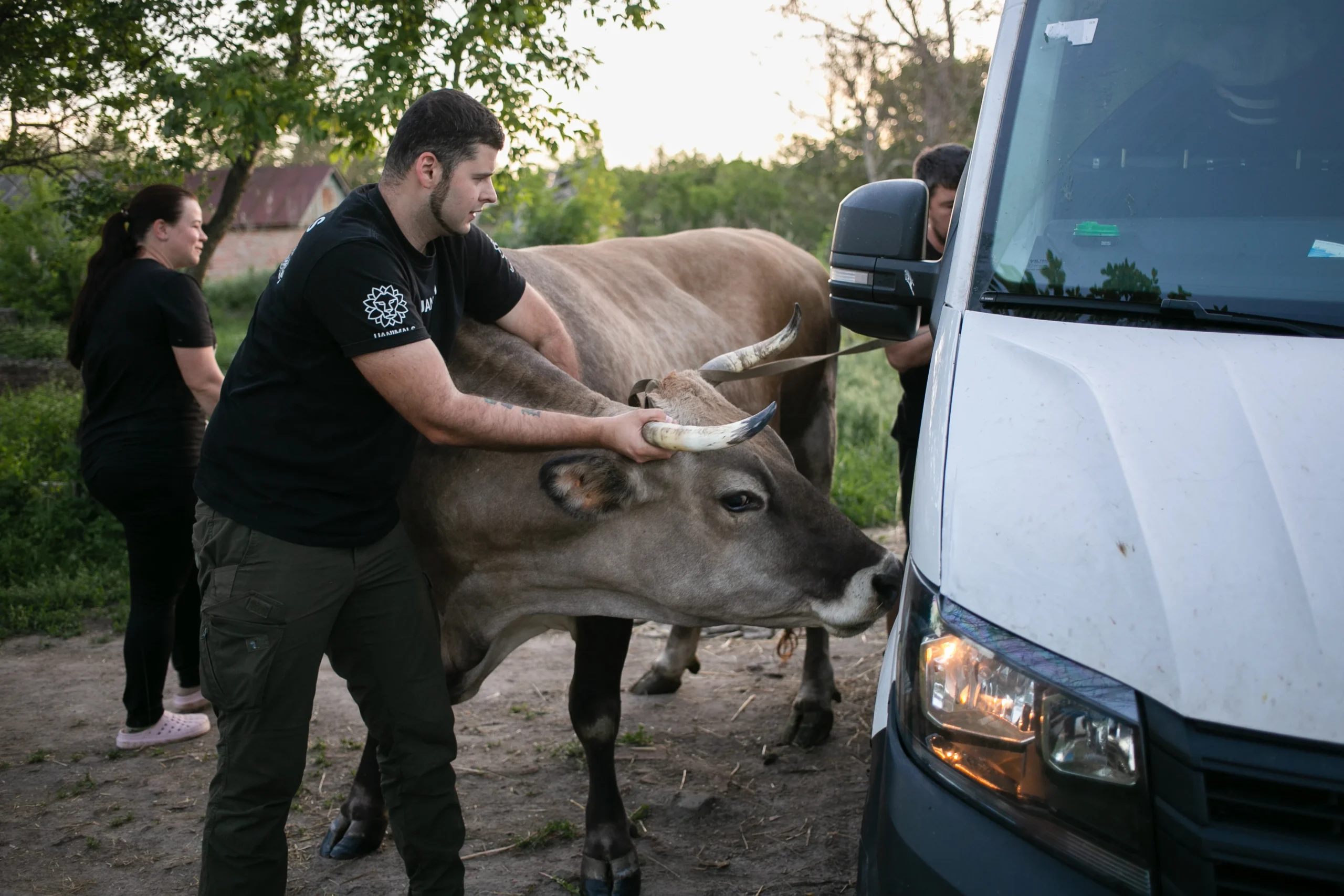
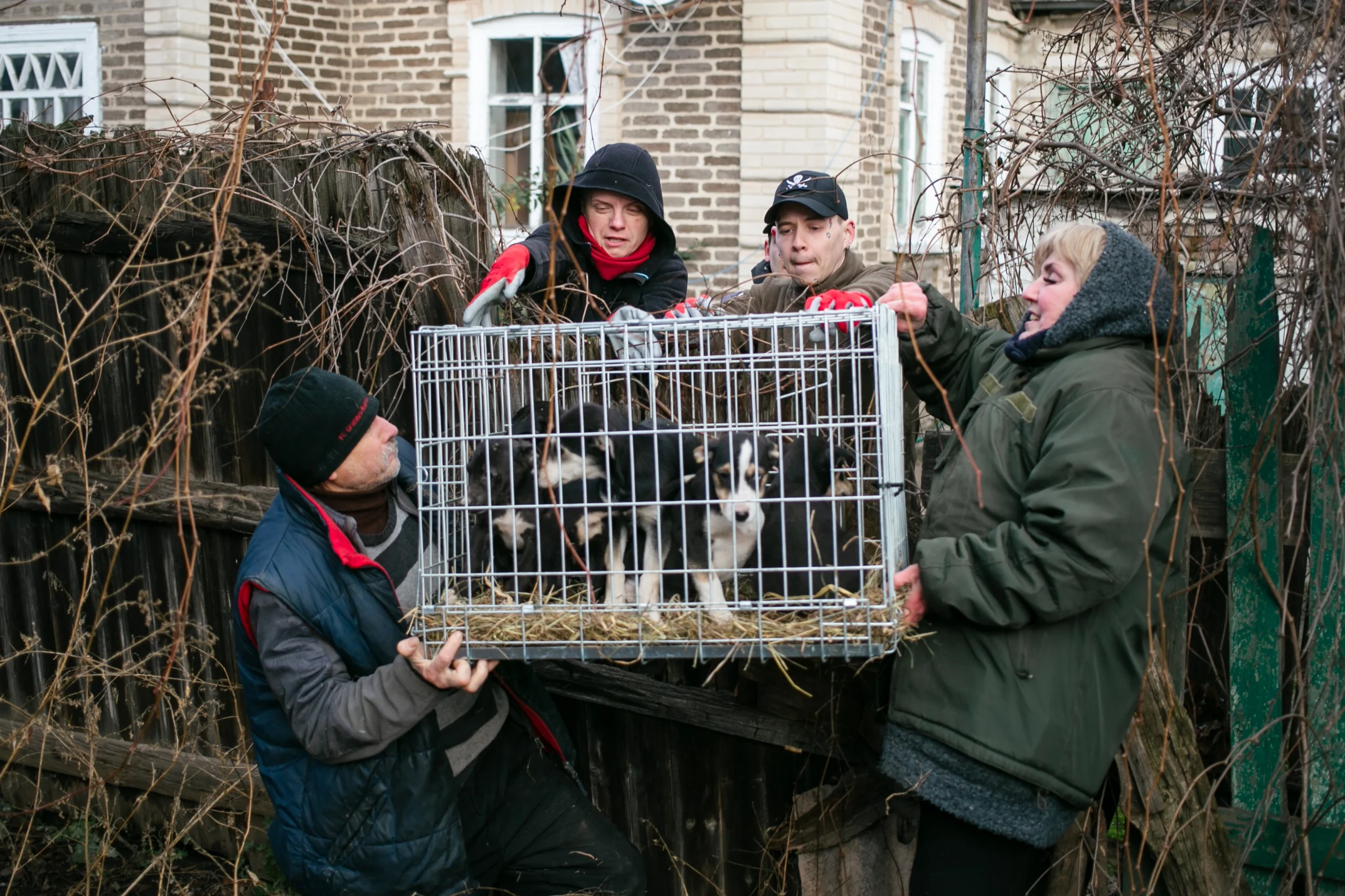
In addition to the lack of a place to rehome the animal, we may reject an application if the specified shelter has not passed our verification. It is fundamentally important for us to work with shelters we trust and where we know the conditions for the animals’ care, providing enclosures, good food, veterinary care, and, just as importantly, plenty of kind words, attention, and exercise. We especially value shelters that do a good job of finding new families for the animals.
«We urge people not to be afraid to adopt animals from shelters, because by doing so, you save two lives at once. One is the animal you’ve taken in, and the other is the animal for whom a spot opens up at the shelter,» — Nina, animal rescue and evacuation project manager
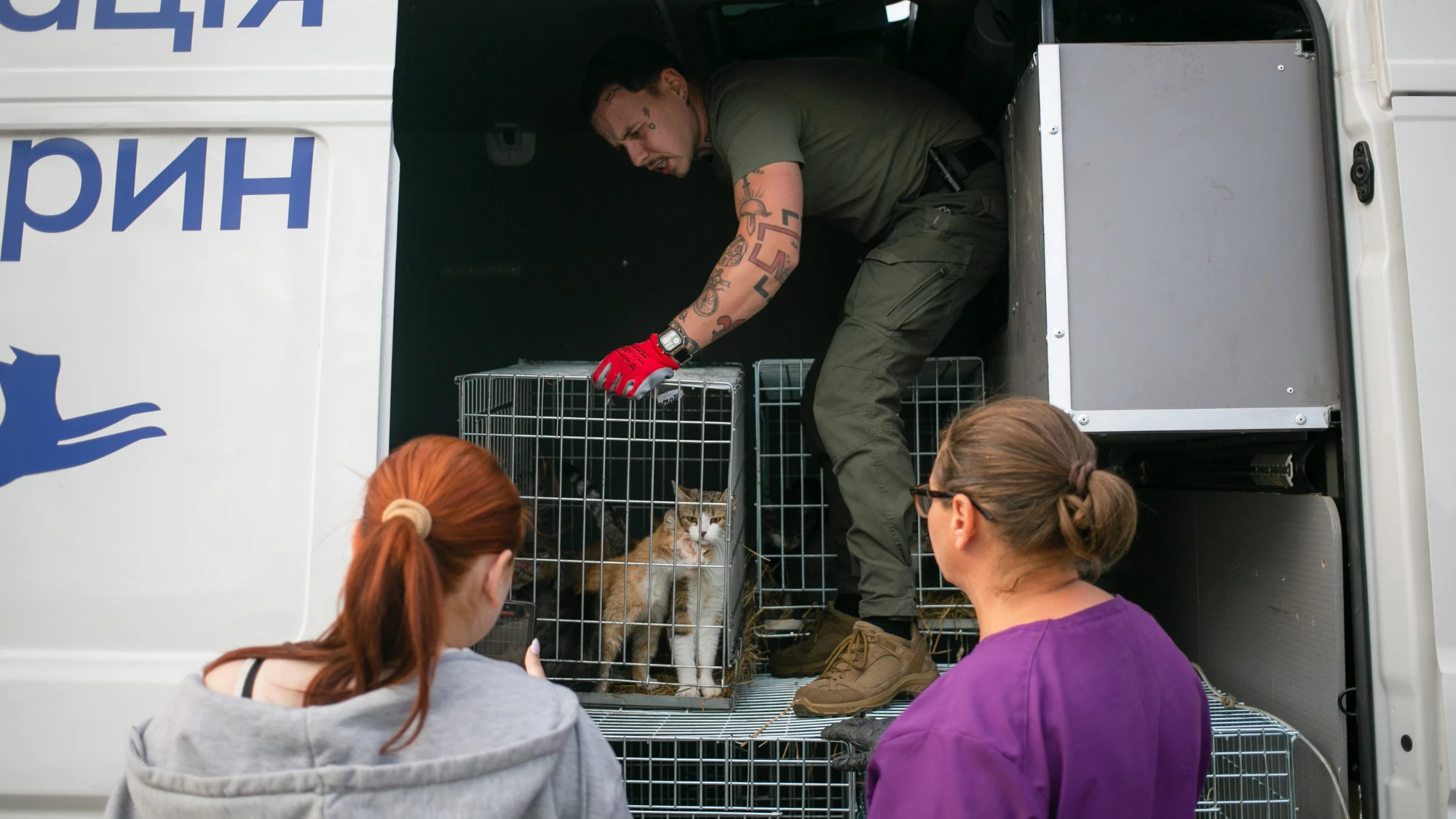
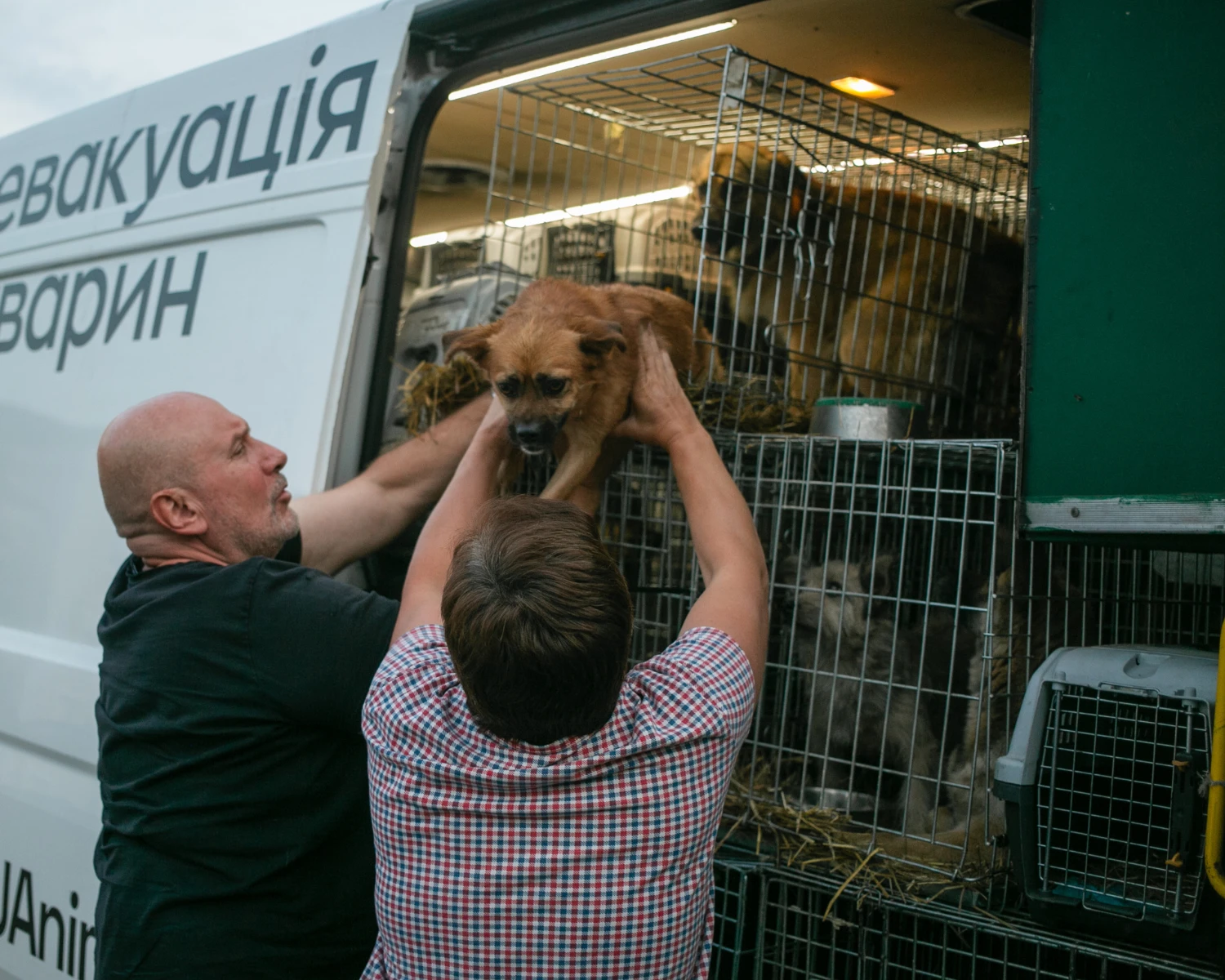
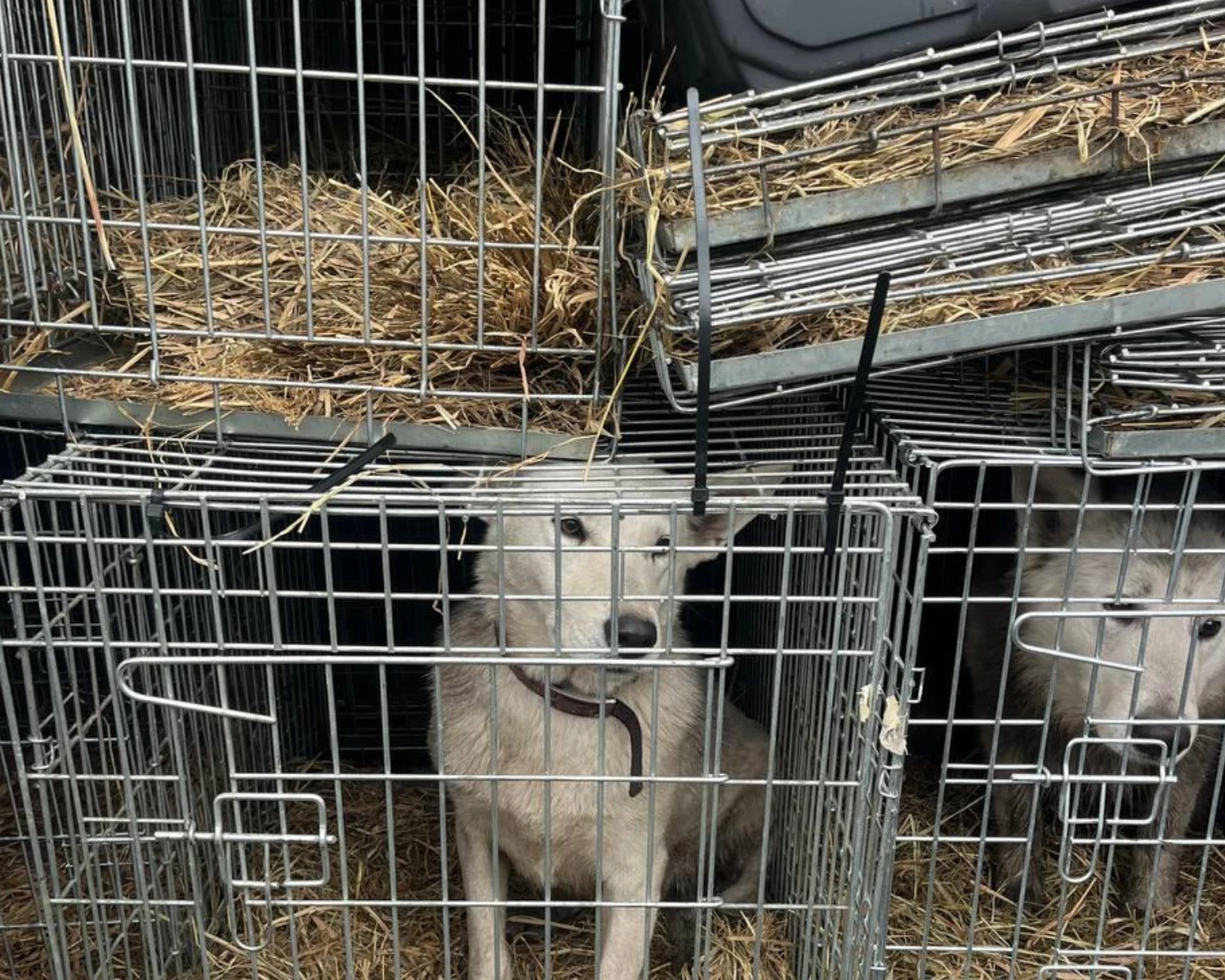
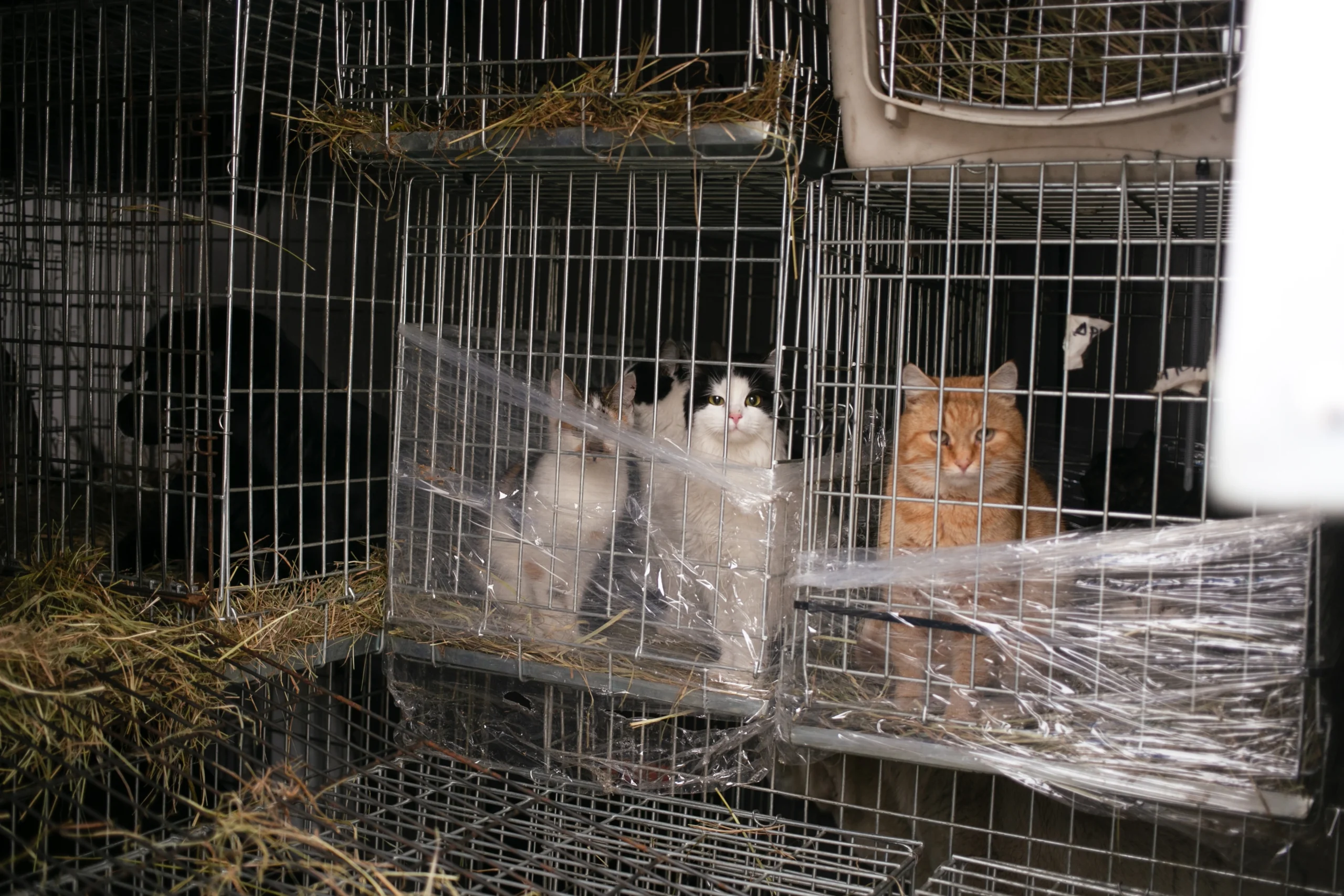
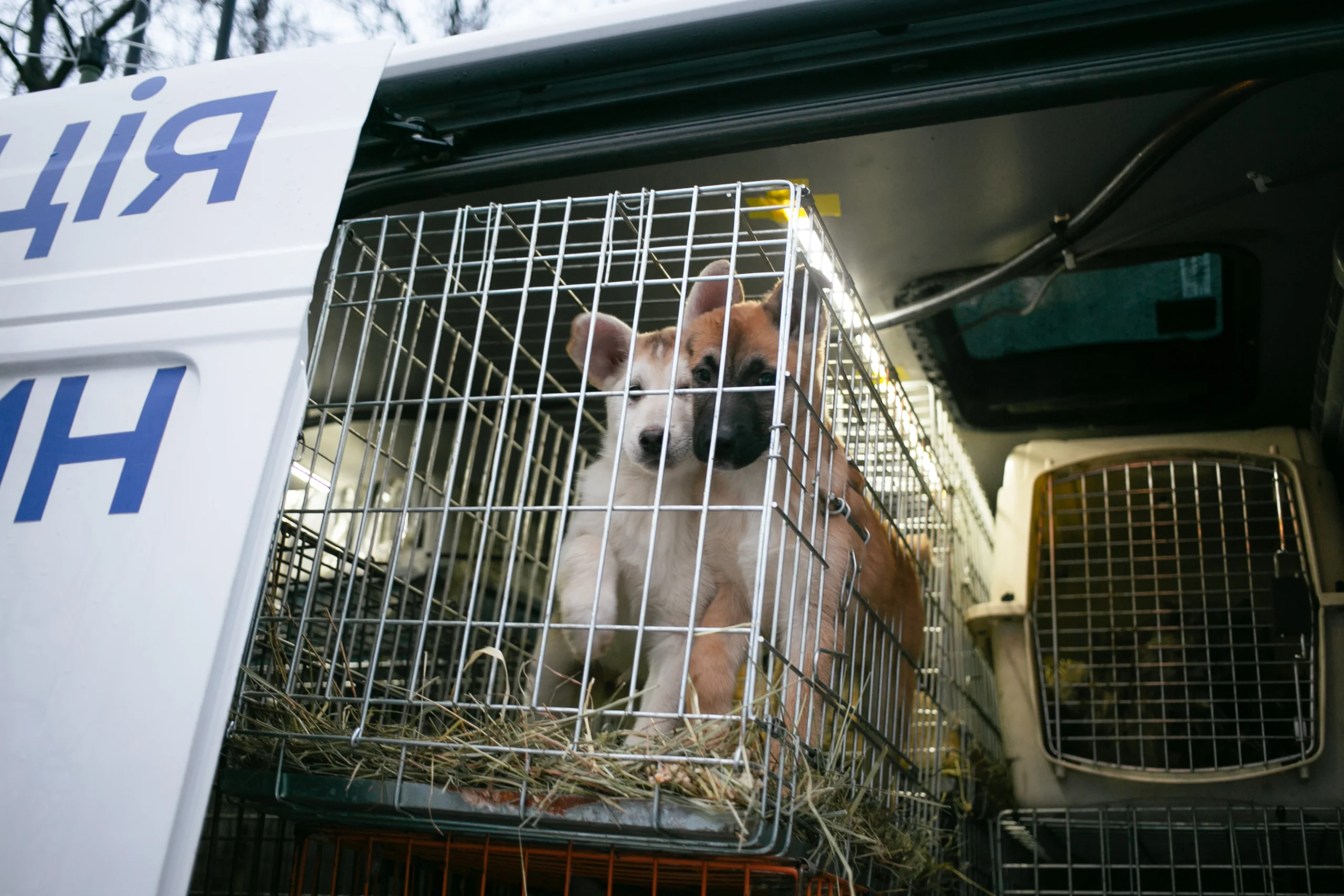
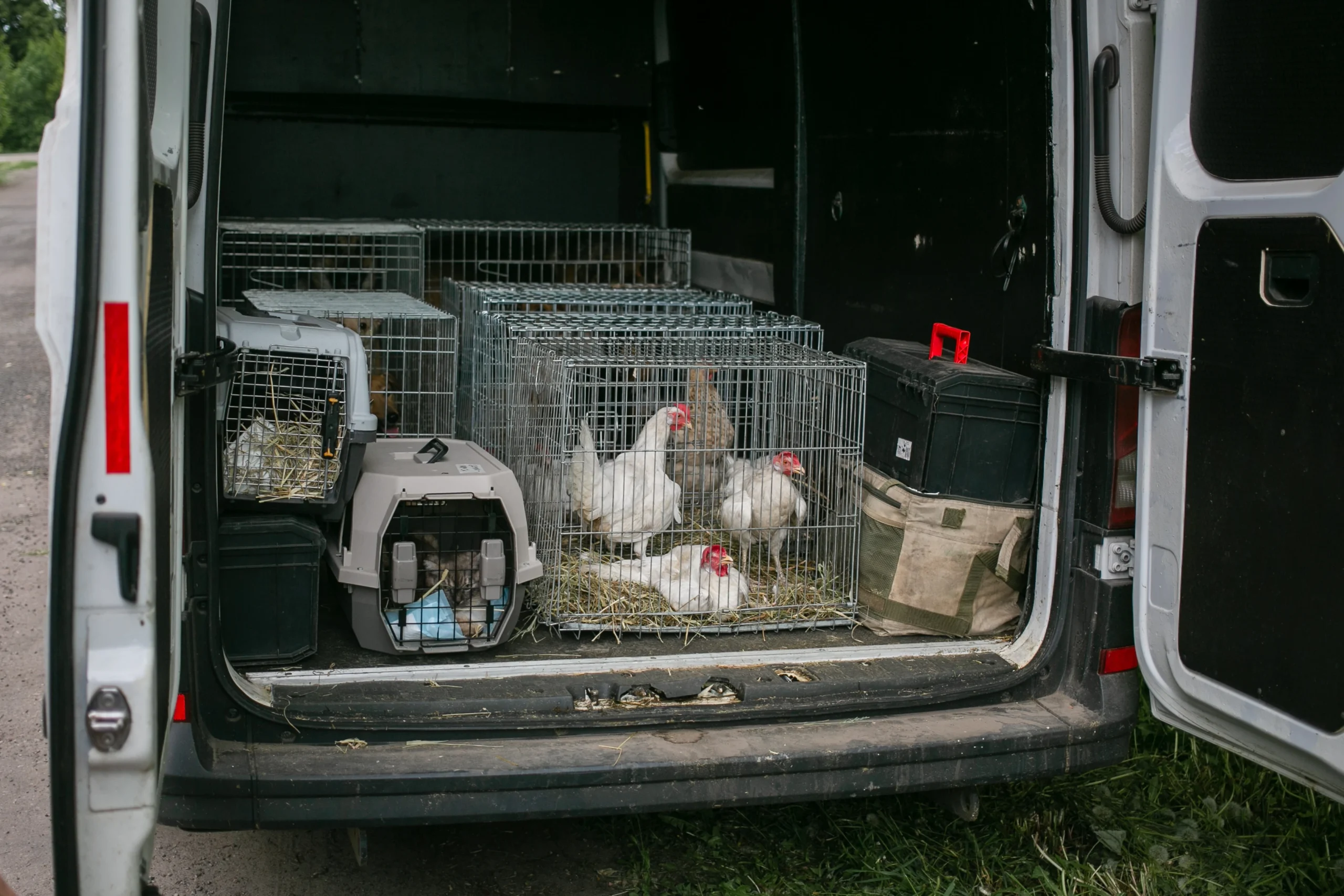
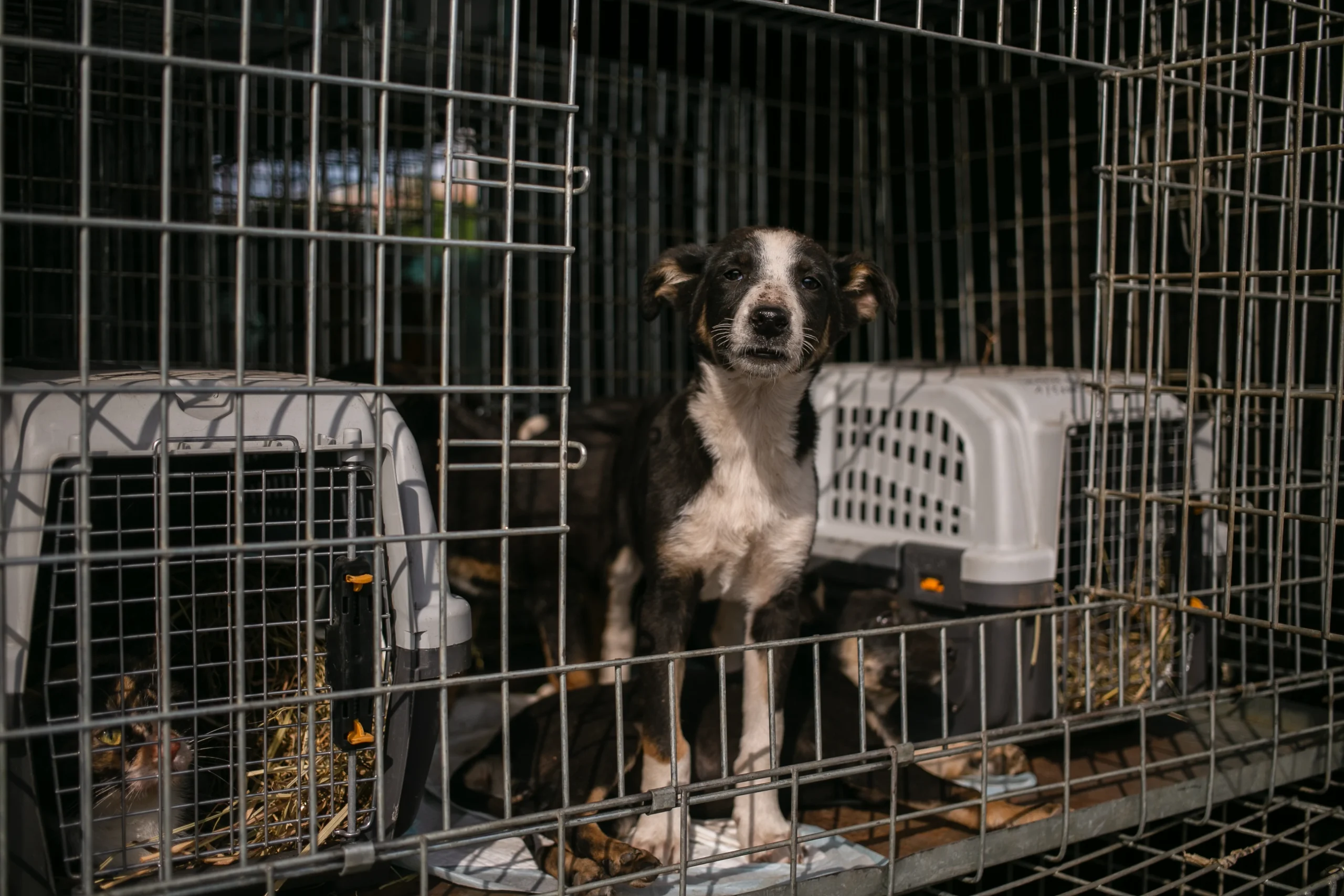
Unfortunately, we don’t have a thousand spots for animals in our evacuation van. Each of our trips follows a carefully planned route with a pre-determined list of animals, based on which we calculate the number of cages, food, and space in the vehicle. In reality, however, on every evacuation trip, we receive twice as many requests to rescue animals as our vehicle can physically accommodate. Because of this, we are forced to make very painful decisions of choosing who we will take now and who will have to wait until next time.
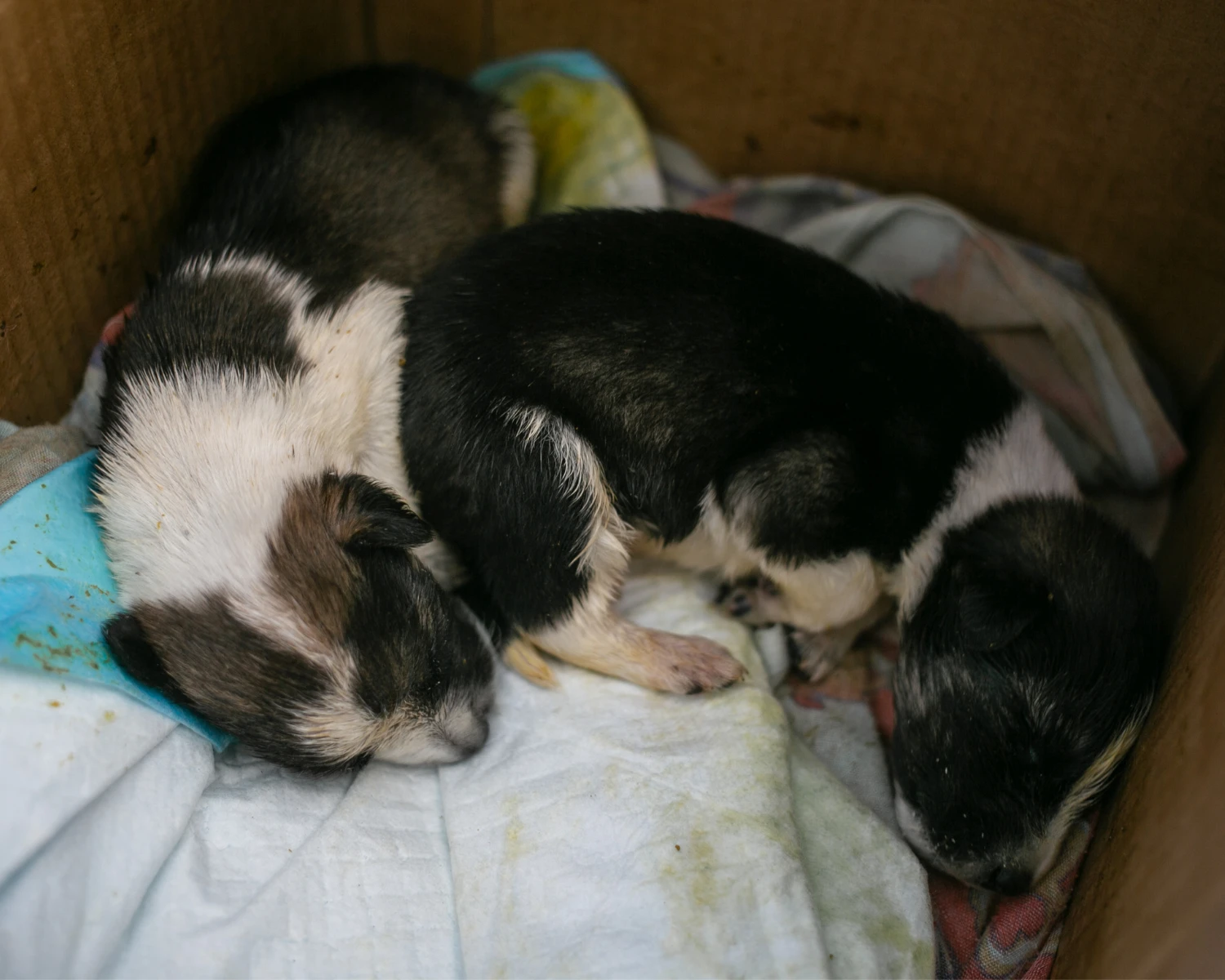
The soldiers sometimes hand animals over to us simply in boxes because we’ve run out of cages and carriers. Although we try to take as many as possible, even under these conditions, we can’t take everyone who needs help on a single trip.
The only way to submit a request for animal evacuation is through our Telegram bot @help_uanimals_bot (provided that requests are being accepted).
After a quick authorization, select «Animal Evacuation» from the dropdown menu. You can then fill out the application by specifying:
For requests from defenders, please attach a document confirming your status (combatant certificate, military ID, etc.). If you do not want to disclose certain information, you can blur all data except your full name and photo.
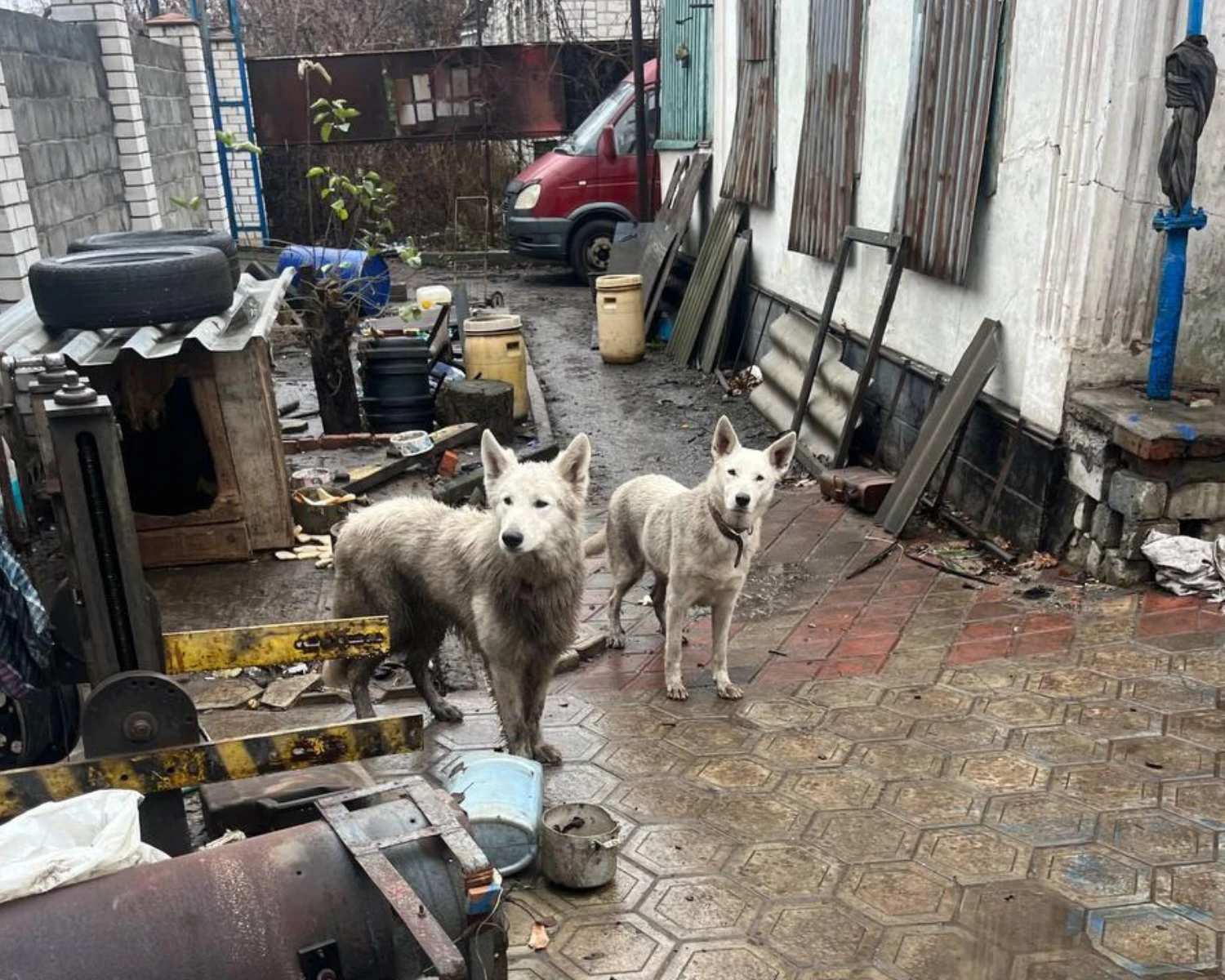
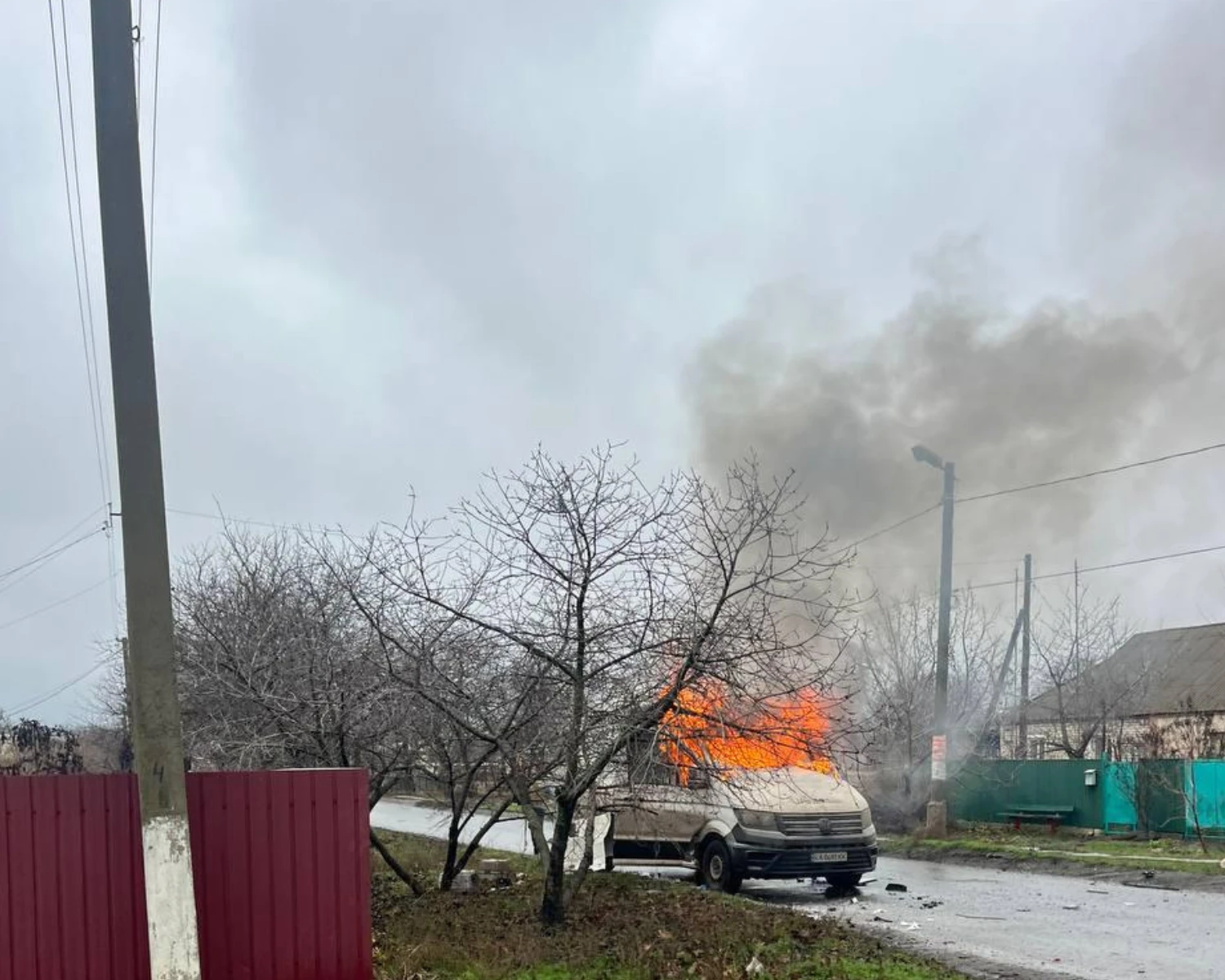
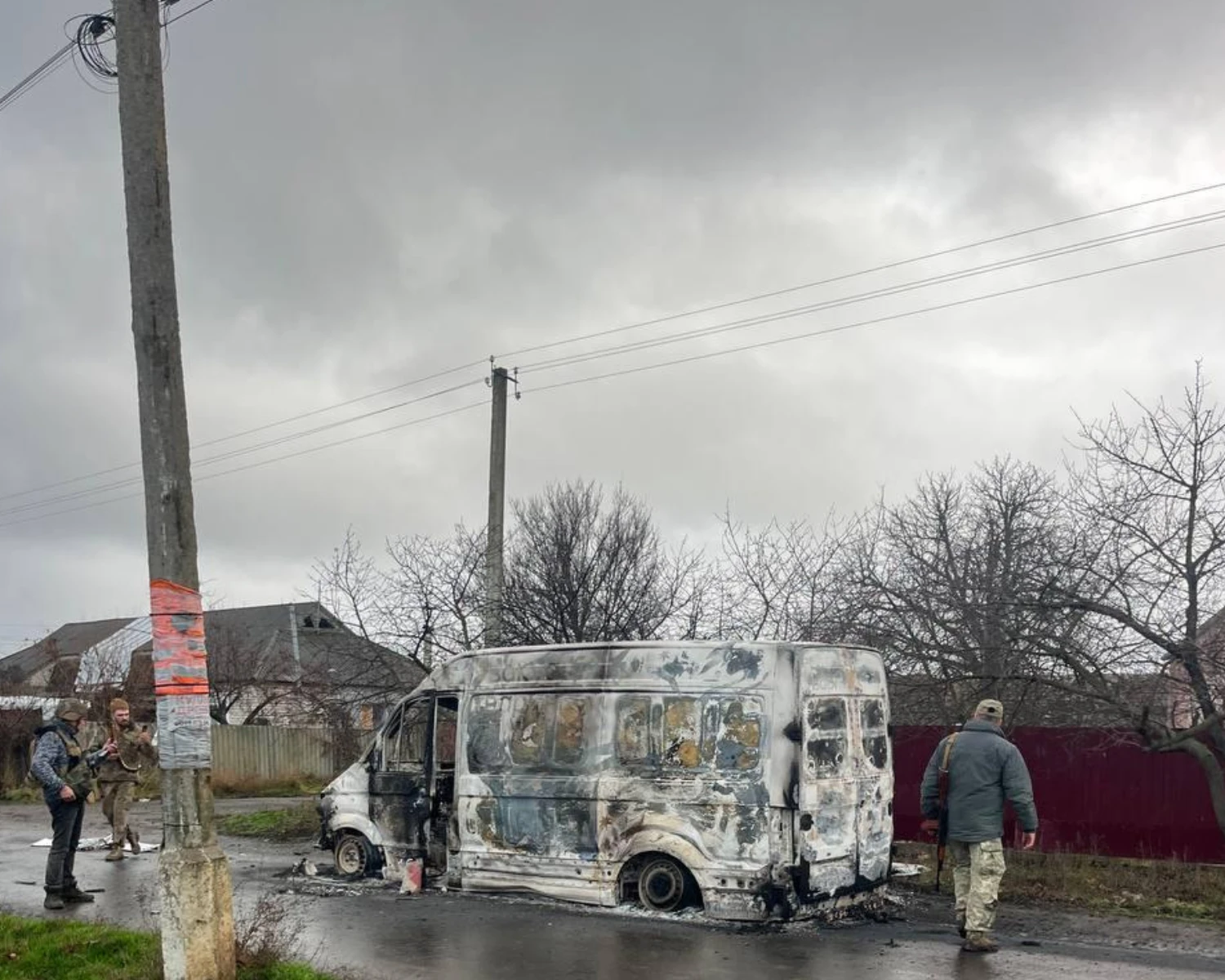
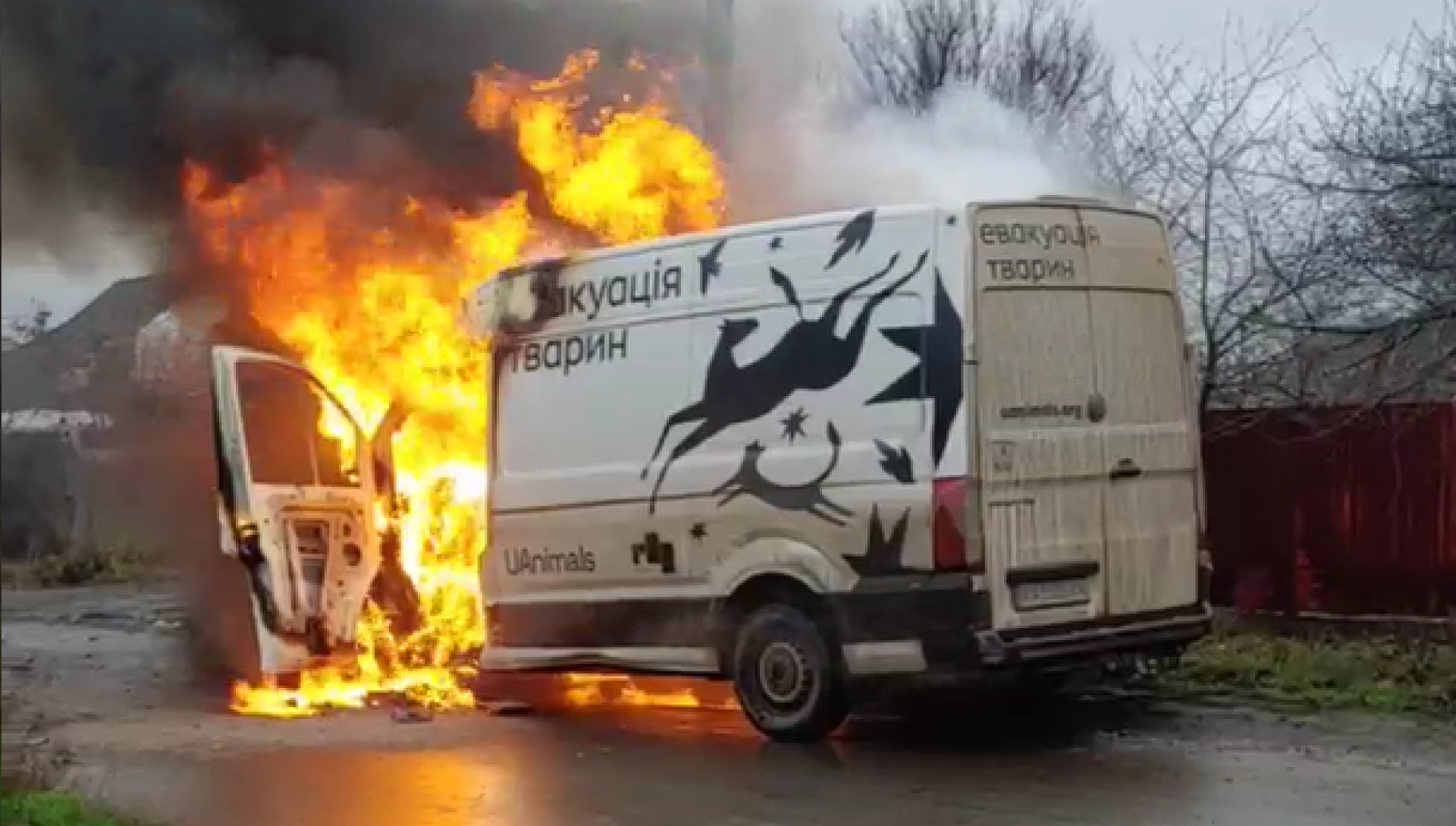
In December 2025, during a second targeted enemy drone attack, one of our two vans was completely destroyed by fire. As a result, by early 2026, we were left with only one vehicle, which operates nonstop and requires repairs after nearly every trip. We can evacuate only 50–90 animals per trip, while we receive dozens of requests every day.
That is why, from time to time, we suspend the acceptance of new requests in order to process those already received and carry out scheduled evacuations.
We regularly reopen applications after our managers have processed current requests and the crew has completed the upcoming evacuation trips. We always announce this on our website and on our social media pages.
Each evacuation trip is not a guarantee that we will be able to rescue everyone.
Our vehicles have broken down, team members have fallen ill, and enemy drones have attacked our vehicles. Still, despite countless such factors that could have derailed all our plans, over the past 4 years, we have managed to transport more than 10 000 animals to safer areas. And this number grows with every new successful trip.
«If we can’t do it on our own, we turn to the soldiers, other rescue organizations, and local residents for help. We coordinate with them and rescue animals through joint efforts,» — says Nina, animal rescue and evacuation project manager
So that even more animals can be saved from the war
…we need your support. Every evacuation mission involves a host of expected and unexpected expenses: for protective gear, van repairs, fuel, food, and medical care for the animals.
So we invite you to join an evacuation trip with UAnimals! We’ll add your virtual ticket to the total amount raised, and you’ll receive confirmation that you’re contributing to animal rescue.
If possible, set up a monthly donation of any amount that works for you to support our fund, and we’ll keep you updated on how your contributions are turning into saved lives.
Thank you for helping us reach those still waiting to be rescued.
SHARE
about UAnimals on social networks
SUBSCRIBE
to UAnimals news